
Wat u feitelijk koopt: nieuwe versus gebruikte K-Cup Machine-specificaties in één oogopslag
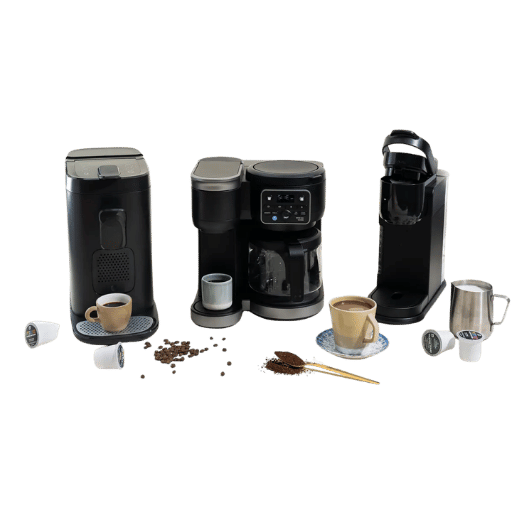
k-cup vulmachine bestrijkt een breed scala aan prestatiespecificaties, van semi-automatisch tafelblad tot 200+ K-Cups per minuut roterende systemen Wanneer u een gebruikte machine overweegt, winkelt u effectief binnen een beperkter bereik van die specificaties. Hier leest u hoe deze categorieën zich tegen elkaar opstapelen, met behulp van actuele marktgegevens:
| Categorie | Speed | Typisch Vintage | Gebruikte Markt Prijs | Nieuwe prijs (referentie) |
|---|---|---|---|---|
| Halfautomatisch instappen (1-2-baan) | 10-25 cpm | 2018–2023 | $14.900-$22.500 | $15.000-$25.000 |
| Middenklasse geautomatiseerd (inline) | 25-60 cpm | 2015–2022 | $20.000-$75.000 | $30.000-$80.000 |
| Hogesnelheidsrotatie | 60-200+ cpm | 2012–2021 | $28.000-$447.900 | $80.000-$200.000+ |
Snelheidsbeoordelingen op lijsten met gebruikte machines weerspiegelen de door de fabrikant beoordeelde doorvoercapaciteit. ‘Eigenlijke productie op dag één na aankoop. De prestaties in de echte wereld kunnen worden beïnvloed door systeemleeftijd, slijtage van de boorconstructie en degradatie. Elke aankoop van een gebruikte machine moet een getimede productietest omvatten die wordt uitgevoerd op het daadwerkelijke materiaal van de producent voordat u het koopt.
Voor een volledige uitleg van hoe ontwerp de uitvoer op verschillende doorvoerniveaus beïnvloedt, kunt u onze handleiding raadplegen over machinetypen, snelheden en hoe u de juiste kiest.
Waarom gebruikte K-Cup-machines op de markt komen — en waar u ze kunt vinden
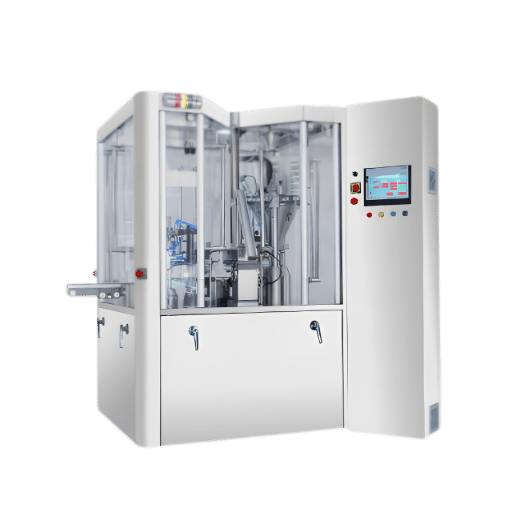
Gebruikte k-cup-apparatuur wordt niet blindelings gekocht. Er zijn bekende en redelijke gevallen waarin u een gebruikt systeem in uw bedrijf kunt brengen, en als u weet welke motivatie een verkoper heeft om zijn systeem te lossen, kunt u de staat van de machine voorrang geven aan de vraagprijs.
Vier veel voorkomende situaties wanneer verkopers k-cup apparatuur lossen zijn
- Capaciteitssprongen: een brander die werkt op een 25 cpm inline lijn ontgroeit zijn mogelijkheden en upgradet naar een 120 cpm rotary De inline lijn wordt op de gebruikte markt gezet Dergelijke units hebben vaak matig gebruik maar zijn mechanisch prima.
- Bedrijfssluitingen of consolidaties: op vloeistoffen gerichte co-verpakkers sluiten of fuseren, waardoor hun volledige voorraad productielijnen wordt geliquideerd. Dergelijke eenheden hebben doorgaans weinig openingstijden, maar vereisen de nalevingsvalidatie van een nieuwe faciliteit.
- Formaatsprongen: co-packers die overstappen van traditionele k-cup-formaten naar Nespresso-compatibele of compostables, zullen PP-gekalibreerde K-cup-brouwsystemen weggooien die nog niet compatibel zijn met nieuwe formaten zonder kostbare aanpassingen.
- Lijnvereenvoudigingen: oudere lineaire indexlijnen worden weggegooid wanneer lijnontwerpers overstappen op nieuwere servoaangedreven roterende lijnen.
Het verschil tussen een lineaire versus roterende K-cup vulmachine gaat verder dan snelheid ‘t beïnvloedt onderhoudslast, slijtagepatronen kosten, en lange termijn kalibratie stabiliteit Weet welk type je koopt Voor een hoog volume upgrade pad, zie ons overzicht van roterende K-cup machines.
Waar gebruikt K-cup vulmachines worden vermeld:
| Platform | Wat u zult vinden | Risiconiveau |
|---|---|---|
| coffeequipmentpros.com | Op de VS gerichte, gespecialiseerde marktplaats voor koffieapparatuur; sommige machines zijn getest voordat ze op de lijst werden geplaatst | Lager (specialistische doorlichting) |
| machinio.com | 145 K-cup machinevermeldingen (18 VS, 121 China); brede prijsklasse; koper is wel eigenaar van due diligence | Medium (geen gestandaardiseerde inspectie) |
| eBay / algemeen industrieel | Incidentele vermeldingen, vaak van vereffenaars of nalatenschappen; dienstgegevens zijn vaak schaars of afwezig | Hoger (koper pas op) |
Eén gouden indicator: de machinio.com-vermeldingen gingen vanaf begin 2025 van $14.900 voor een 2020 inline naar $447.900 voor twee 2014-vintage IMA 6-baans roterende lijnen Hogesnelheidsmachines schrijven niet af zoals consumentenelektronica Als u van plan bent een roterende lijn met grote korting aan te schaffen, tellen de cijfers mogelijk niet op zoals u verwacht.
7-punts inspectiechecklist voordat u een gebruikte K-Cup-vulmachine koopt
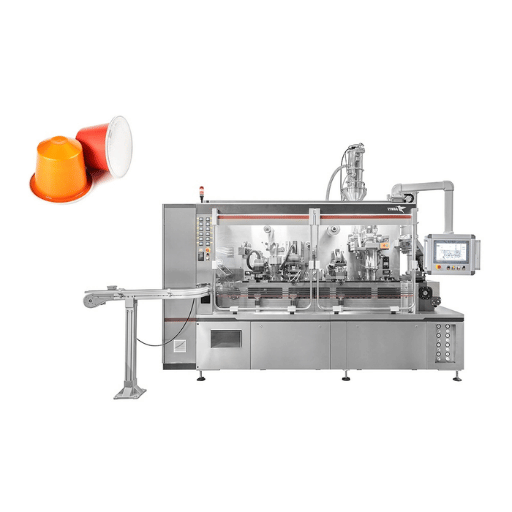
Wat u niet weet over een gebruikte k-cup machine kan u terug zetten ofwel een vlakke $3,000 of 12 maanden van herwerken om de machine te conditioneren voor betrouwbare productie De zes belangrijke selectiefactoren voor elke k-cupmachine geldt dit ook voor gebruikte machines, maar nieuwe gebruikte machines vereisen fysieke validatie die dat niet doet.
Hier zijn de 7 kritische criteria die elke gebruikte k-cup machine-inspectie zou moeten omvatten.
1 Afdichtingskop en warmte-elementconditie
De afdichtkop en zijn elementen: het is het meest kwetsbare stuk van een k-cup vulmiddel Onderzoek de afdichtingsstaven voor kromtrekken, onregelmatige warmteverdeling en opbouw op het afdichtelement Laat de verkoper een live seal test uitvoeren, handmatig trekken en testen van 5 monsterbekers op afpelweerstand en consistentie aan alle vier de randen van het foliedeksel Variabele trekweerstand betekent dat de warmte-elementen niet meer gekalibreerd zijn, of dat de afdichtingsdruk niet goed uitgelijnd is, en beide minimaal vervangen moeten worden.
2 Stikstofspoelsysteemintegriteit
Als de verkoper een stikstofspoelsysteem heeft, en productie-k-cup-vullers moeten er een hebben, demonstreer dit dan in realtime Test de werking van de klep, slangen voor scheuren en slijtage, de stroomregelaar Beter: Sluit vijf K-Cups af met stikstof in de testopstelling en controleer de capaciteit voor resterende zuurstof: minder dan 2% zuurstof is het doel Capsule zuurstofniveaus boven die drempel compromis houdbaarheid van de koffiecapsule binnen enkele weken, niet maanden Een defect stikstofsysteem kan worden gerepareerd, maar reparatiekosten moeten in uw aanbiedingsprijs worden meegenomen.
3 Auger Slijtage en Vul Nauwkeurigheid
De vijzel is het meest urgente vervangingsonderdeel op elk poeder/koffievulmiddel in termen van productie-output Variaties in vijzelvolume komen overeen met variaties in vulgewichten, en op een k-bekerlijn zorgt variantie in vulgewichten voor variantie in cupprestaties Voer een proefproductieserie uit met uw eigen voorraad echte gemalen koffie, op uw beoogde maalgrootte, en meet het vulgewicht van 20 K-Cups achter elkaar Alles buiten 1,5 procent van uw doel vereist vervanging van de vijzel Vraag de verkoper het onderdeelnummer en controleer of hij een nieuwe kan krijgen van een lokale Amerikaanse bron voordat u koopt.
4 PLC Merk en onderdelen Ecosysteem
Zes seconden controle Vraag de verkoper gewoon: Hoeveel merk is de PLC?
Keuze uit verschillende huidige technologie, direct beschikbare industrie standaard merken ‘Schneider, Siemens, Allen-Bradley, Omron’ should have componenten die u kunt betrekken van industriële distributeurs in de VS (of andere ontwikkelde economieën) Proprietary/onbekende PLC betekent eigen/onbekende leveranciers In werkelijkheid zal eigen controlesysteem ervoor zorgen dat de apparatuur een gedocumenteerde vertraging van 4-6 weken in het verzenden van onderdelen van de internationale leverancier per probleemoplossing evenement.
Voor een machine zoals de productielijn die werkt met 500+ kopjes/dag, vormt een uitschakeltijd van de productielijn van 4 weken een aanzienlijk financieel risico, neem dit mee in uw totale kostencorrectie.
5 Naleving van het oppervlak van voedselcontact (FDA §117.40)
Volgens FDA 21 CFR Part 117 117.40, alle voedselcontactoppervlakken op productieapparatuur zijn verplicht om corrosiebestendig te zijn, gemaakt van niet-giftige materialen, en hebben soepel verlijmde verbindingen om ophoping van productresten te voorkomen Deze regeling is op voorwaarde gebaseerd, niet op leeftijd gebaseerd een gebruikte machine KAN voldoen, maar alleen als de oppervlakken in de huidige productie-conformiteit zijn Door visuele inspectie, zoek naar oppervlakteroest op de vulkop, trechter, en afdichting contactpunten.
Inspecteer pakkingen en afdichtingen voor scheuren Bevestig dat alle vervangende onderdelen die door vorige eigenaren zijn gebruikt, van voedingskwaliteit zijn. Elke machine met gecorrodeerde oppervlakken met voedselcontact is niet alleen een wettelijke aansprakelijkheid, maar ook een merkaansprakelijkheid, zelfs voordat de eerste beker wordt gebruikt.
Voor onderhoud na aankoop, zie onze k-cup vulmachine onderhoud guide.
6 Onderdelen Documentatie en Contacten met leveranciers
Eerst, krijg de originele onderdelenhandleiding, een volledige factuur van materialen, onderdeelnummers voor de top vijf slijtageonderdelen, en de leverancier info Controleer dan: bel of e-mail ten minste twee van die leveranciers en controleer de beschikbaarheid en doorlooptijd Als de verkoper kan niet vinden onderdelen info, dan krijg de machine serienummer en bel de fabrikant.
Een gebruikte machine zonder registratie van de inkoop van onderdelen is geen koopje, het is een verplichting waar u op het slechtst mogelijke moment achter komt.
7 Servicegeschiedenis en openingstijden
Onderhoudslogboeken voor de vraag, kalibratiegeschiedenis en geaccumuleerde bedrijfsuren Lage uren op een vintage machine uit 2015 zijn niet noodzakelijkerwijs een positieve indicator; het opslaan voor langere perioden en niet draaien genereert zijn eigen problemen (vastzittende componenten, uitgedroogde afdichtingen, verslechtering van smeermiddelen). Het optimale bewijs is een machine die de afgelopen 90 dagen regelmatig productie- en actuele kalibratierecords heeft uitgevoerd.
Nul documentatie en een onbekende vorige operator moeten de waarde verminderen met ten minste 20-30% in vergelijking met vergelijkbare adequaat gedocumenteerde machines ‘of worden afgewezen ronduit, tenzij de beschikbaarheid van uw eigen vermogen om volledig opnieuw in bedrijf te nemen.
Wilt u een vergelijking van de specificaties naast elkaar tussen een gebruikte machine die u evalueert en een nieuwe AFPAK-eenheid met dezelfde snelheid? E-mail de machinegegevens naar inquiry@afpak.co ‘Ik zal de vergelijking voor je opbouwen.
Totale eigendomskosten van 3 jaar: gebruikt versus nieuwe K-Cup-vulmachine
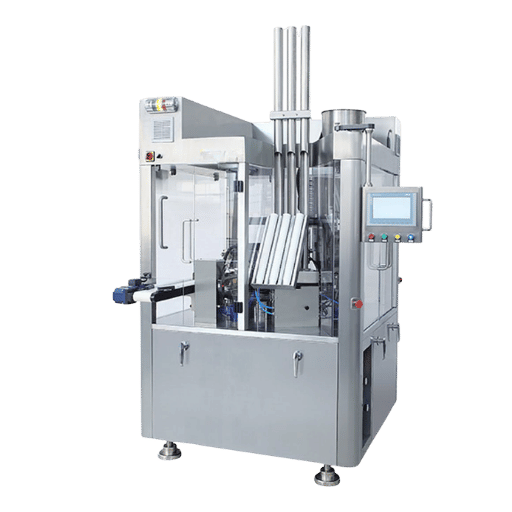
Aankoopprijs is waar kopers zich op richten Totale eigendomskosten is wat telt Voor k-cup vulapparatuur is het verschil tussen beide vaak groot genoeg om de used-vs-new beslissing volledig om te draaien.
Echte prijzen drijven deze vergelijking aan: een 2020-vintage inline 25 cpm-eenheid op $14.900 (coffeeequipmentpros.com, begin 2025) dient als de gebruikte benchmark ten opzichte van een nieuwe instapmodel 20 cpm-machine op ongeveer $18.000 Schattingen van onderdelen en downtime worden gemaakt op basis van de markt en garantiegegevens. Individuele resultaten zullen variëren afhankelijk van de gebruiksintensiteit en de vaardigheid van de operator.
| Kosten Categorie | Gebruikte inline (25 cpm, 2020) | Nieuw instapniveau (20 cpm) |
|---|---|---|
| Aankoopprijs | $14,900 | ~$18,000 |
| Onmiddellijke renovatie/kalibratie | $2.000-$4.000 geschat. | $0 |
| Verbruiksonderdelen (gemiddeld 3 jaar) | $3.000-$6.000 geschat. | $1.500-$3.000 geschat. |
| Ongeplande reparatie & downtime blootstelling | $2.000-$8.000 risico (geen garantie) | Gedekt onder 2-jarige mechanische garantie |
| Toegang tot technische ondersteuning | Variabele (verkoperafhankelijk) | Fabrikant-backed; volgende dag onderdelen verzending |
| Totaal over 3 jaar (geschat bereik) | $21.900-$32.900 | $19.500-$24.000 |
Wanneer rekening wordt gehouden met de renovatiekosten, hogere verbruikskosten en potentiële ongeplande reparatieblootstelling, wordt het schijnbare $3.100 aankoopprijsvoordeel voor de gebruikte machines geëlimineerd. Een kostendelta over drie jaar laat zien dat de nieuwe machine zich in de bovengrens van het gebruikte reparatierisico bevindt. de optie met lagere kosten gedurende de gehele diensttijd.
Dit kan worden ondervangen door: (a) als alle 7 inspectiepunten worden bereikt zonder reparatievereiste, (b) marginale renovatie die vooraf is gepland, en (c) een koper die een interne technische staf heeft die betrouwbaar servicegesprekken kan verwerken Onder dat model kan de gebruikte route echte besparingen opleveren.
Voor een diepere blik op hoe kapitaalinvesteringen in de productie van koffiecapsules kunnen worden gerechtvaardigd, zie onze analyse op of koffiecapsule productieapparatuur de investering waard is.
5 rode vlaggen die de aankoop moeten stoppen
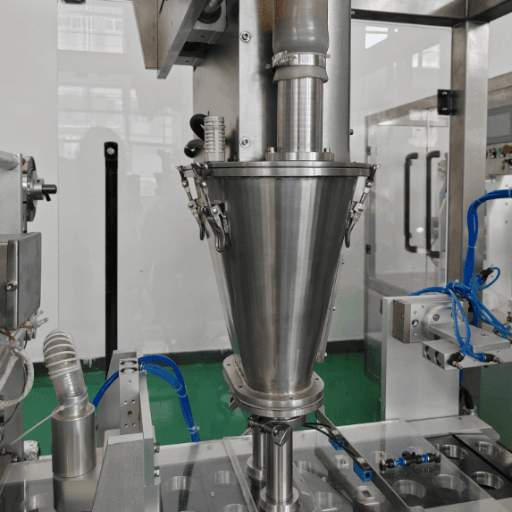
Niet elke gebruikte k-cup machine is het werk waard (sommige zijn deal-breakers Hier zijn de vijf voorwaarden die je dwingen om ofwel weg te lopen, of akkoord te gaan met een radicaal verlaagde aankoopprijs.
🚩 Eigen PLC zonder gedocumenteerde lokale leverancier
Dit is de snelste manier om te weten welke gebruikte apparatuur te vermijden voor problemen met de eigendomskosten Als de PLC van een buitenlandse fabrikant is, wordt geen van de reparaties uitgevoerd door uw lokale technicus of dienstverlener. Zoek een reserve-PLC en een onderdelenpakket dat daarbij hoort, u kunt opnieuw over deze voorwaarde onderhandelen in de verkoop.
🚩 Verkoper weigert een live productierun vóór aankoop
De hardware aan de stroom krijgen is niet hetzelfde als de hardware productiesequenties laten draaien De volgorde van vullen, stikstofspoelen, afdichten en snijden moet onder belasting worden gecontroleerd met echte koffie in de machine Een video is geen vervanging voor een fysieke walk-around met de verkoper Als ze niet kunnen voorzien en zich geen zorgen maken over het laten draaien van de machine voor een live in-the-flesh inspectie hebben ze waarschijnlijk zorgen die binnen de cyclus aan het licht zouden komen.
🚩 Geen servicerecords en onbekende openingstijden
Niemand koopt alleen hardware Ze kopen een geschiedenis van onderhoud Zonder een servicelogboek kunt u de resterende levensduur niet onderzoeken op afdichtingskop, vijzels, pneumatische kleppen met hoge slijtageonderdelen. Geen servicelogboek betekent niet noodzakelijkerwijs een slechte machine, maar het betekent wel dat u geen gegevens heeft ter ondersteuning van een prijsonderhandeling over slijtage-onderdelenrisico. Vereis een korting die in verhouding staat tot die onzekerheid, of laat een onafhankelijke inspectie uitvoeren door een gekwalificeerde apparatuurtechnicus.
🚩 Zichtbare corrosie op oppervlakken die met voedsel in contact komen
Volgens FDA 21 CFR Part 117 117.40 mogen die oppervlakken die in contact komen met voedsel niet inherent corroderend of giftig zijn Oppervlakteroest op de vulkop, trechter, vijzel of de contactoppervlakken voor de afdichting is een overtreding voordat de machine koffie heeft verwerkt Oppervlaktebehandeling kan deze naleving soms herstellen, maar moet als kosten in het kostenmodel worden opgenomen, en sommige componenten zijn niet langer bruikbaar.
🚩 “As-is, geen retourzendingen op aankopen van meer dan $20.000
Koop kant (als je er redelijk zeker van bent dat het minder presteert (ouder model, dode voorraad, hogere bedrijfskosten) en de verkoper is hard-pressure selling, wees bereid om weg te lopen Kortingsaanbiedingen hebben een limiet; je kunt er altijd een paar in de bank laten voor reparatieonderdelen of later upgraden Verwacht in dit stadium enige marge Redelijke verkopers van industriële apparatuur omvatten een kort inspectievenster na levering, bijvoorbeeld 7-14 dagen, zodat u in uw eigen faciliteit kunt verifiëren dat de machine live run de prestatiespecificatie bereikt Een bedrijf zoals het is, geen verhaalspositie op een transactie in grote dollars is in strijd met de standaardpraktijk in de sector en zal alle verborgen defectrisico’s aan u overdragen Als de verkoper niet zal toegeven, prijs in het risico of lopen.
Gebruikt versus nieuw: een duidelijk beslissingskader voor kopers van K-Cup-apparatuur
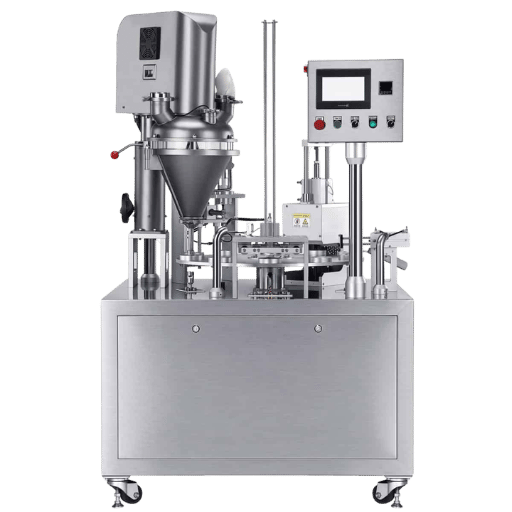
Hier is de eenvoudigste IF/END-logica, gebaseerd op de vier variabelen die het meest van invloed zijn op de gebruikte versus nieuwe beslissing: volume, beschikbaar kapitaal, interne technische vaardigheden, eisen op het gebied van productregelgeving.
Beslissingsboom
IF volume<500cups/dag EN budget<$20K EN lokale service beschikbaar Gebruikt (entry inline) haalbaar -IF passeert alle 7 punten van operationele inspectie checklist
IF volume 500-2000cups/day EN technicus ter plaatse Gebruikt (middenklasse) haalbaar 15% van aankoopprijs voor toekomstige renovatie
IF volume>2000cups/day Sterke voorkeur voor nieuw & schaal, a Downtime&cost at scale >cost of purchase besparing
ALS geen enkel technisch personeel EN product allergeen-, biologische of exportvereisten heeft, mag de nieuwe documentatieketen voor naleving beginnen vanaf de eerste dag
ALS gebruikte machine GT is; 10 jaar oud EN hoge snelheid rotary EN originele verkoopprijs was GT;$100K Wees voorzichtig -word onafhankelijke machine-inspectie en onderdelenaudit voordat u koopt
Twee real-world scenario’s die de beslissing in de praktijk laten zien:
Scenario A: Sarah 0 kleine rooster, 40 kopjes/dagdoel
Sarah exploiteert een 3-persoons speciale koffiebranderij en wil K-cup verpakkingen in eigen huis brengen Ze heeft $18.000 beschikbaar in apparatuur budget en overweegt een 2020 vintage 25 cpm inline unit op $14.900 Ze heeft geen technicus ter plaatse maar er is lokaal bedrijf voor industriële apparatuur service 40 minuten afstand
Rechter zet: Gebruikt is haalbaar voor Sarah -als de machine voldoet aan alle 7 inspectiecriteria en ze met succes onderhandelt over een 1-jarige overeenkomst met de lokale service bedrijf opgenomen in de begroting. 400 kopjes/dag met 1 uur downtime per dag is beheersbaar risico Budget $3,000-$4,000 voor eerste jaar kalibratie en reserveonderdelen.
Verkeerde zet: Kopen zonder live run, accepteren van ongedocumenteerde herkomst, of het overslaan van de PLC-cheque Zie onze gids voor de beste K-cup vulmachine voor kleine bedrijven voor hoe u nieuwe opties op deze schaal kunt evalueren, en ons overzicht van K-cup verpakking voor kleine koffiemerken voor het volledige plaatje.
Scenario B: Marcus Scaling Co-Packer, 3.200 Cups/Day Target
Marcus exploiteert een co-packingbedrijf dat zich richt op 3.200 kopjes/dag met 4-6 SKU’s. Hij beoordeelt een gebruikte roterende draaibaan met twee rijstroken uit 2014 op $105.000 tegen een nieuw roterend systeem op $120.000-$150.000.
Rechter zet: Nieuw werk hier kopen Een tien jaar oude 3.200 kopjes/dag zal betekenen dat Marcus $15.000-$25.000 een week ongeplande downtime dode kosten verspilt tegen verloren co-packing contract inkomsten De $15K-$45K kostenbesparing verdwijnt gewoon met een enkele grote uitgaven gebeurtenis $45K, een nieuwe machine wordt geleverd met een twee jaar onderdelen en mechanische garantie Voor een 200-400 cups/dag systeem, zie deze overzicht van productielijn koffiecapsules configuraties.
Verkeerde zet: De $45K-marge verkeerd behandelen als kostenbesparing zonder respect voor het onderdelenrisico, garantiepremies en het feit dat eigen onderdelen aan boord van een machine uit 2014 mogelijk al zijn stopgezet.
De composteerbare Pod-vangst: kan een gebruikte machine nieuwe formaten uitvoeren?
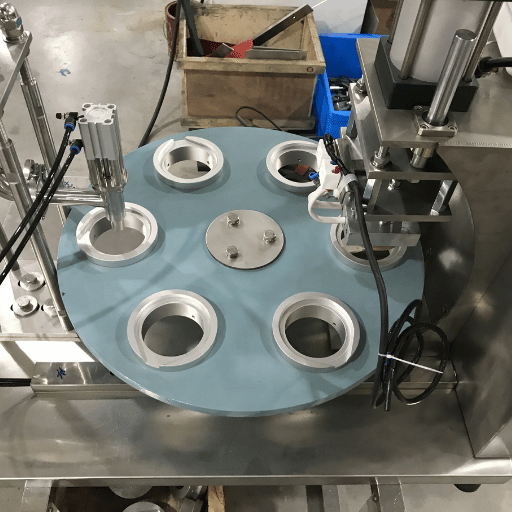
Composteerbare afbreekbare podformaten zijn nu het snelst groeiende segment van de koffiepadmarkt en expanding 11.2TP3T CAGR, bijna het dubbele van de totale markt 6.1% groeisnelheid, gedreven door EU-regelgeving en retailer duurzaamheid mandaten.
Veel populaire gebruikte k-cup vulmachines die momenteel op de markt zijn, werden gekalibreerd voor het standaard polypropyleen (PP) dekselmateriaal De eisen voor de afdichtingstemperatuur en verblijftijd voor PP en composteerbare folies zijn aanzienlijk verschillend:
| Deksel Materiaal | Afdichttemperatuur | Dwell Time |
|---|---|---|
| Standaard PP folie | 180-220°C | 300-400 ms |
| Composteerbare PLA/PBAT | 140-160°C | 400-600 ms |
Technische opmerking: Composteerbare compatibiliteitscontrole
Zorg ervoor dat elke gebruikte k-cup vulmachine die bedoeld is voor de productie van composteerbare pods een afdichtkop heeft met een instelbaar temperatuurbereik tot 120-160C en ondersteuning voor het programmeren van de verblijftijd tot 600 ms. Het uitvoeren van een composteerbaar formaat op een PP-afdichtkop met hoge temperatuur zal de folie verbranden of kromtrekken, zonder dat de afdichtingen correct zijn ingesteld Neem contact op met de verkoper voor het technische specificatieblad op de afdichtkop en bevestig dat het instelbare temperatuurbereik in het koopcontract is geschreven.
Een gebruikte machine die vandaag voor PP-productie wordt gekocht, is niet noodzakelijkerwijs een probleem — het formaat vertegenwoordigt nog steeds het grootste deel van het K-Cup-volume. Maar als u verwacht binnen 24–36 maanden naar composteerbare formaten over te stappen, moet het vermogen van het verzegelingssysteem om die overgang te ondersteunen nu onderdeel zijn van de aankoopbeslissing, niet later van een kostbare retrofit. Zie voor informatie over de huidige opties voor biologisch afbreekbare formaten ons overzicht van biologisch afbreekbare koffiecapsule oplossingen.
2025-2026 Marktsignalen en wat ze betekenen voor het venster gebruikte apparatuur
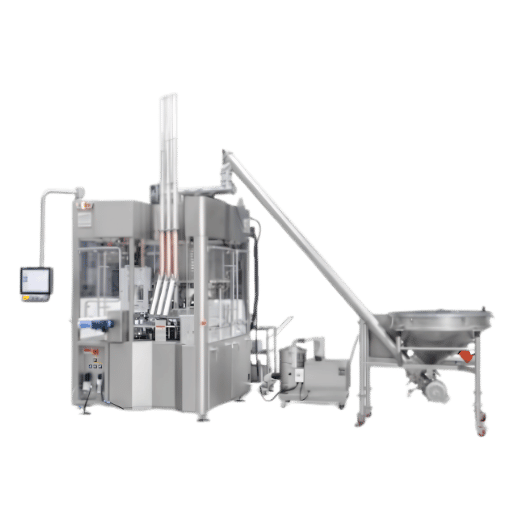
Timing in de koffiepadsector definieert de beschikbaarheid van secundaire apparatuur Hier is een samenvatting van de huidige marktomstandigheden, afkomstig van meerdere contacten en evenementen in de sector:
- Totale marktomvang: De mondiale markt voor koffiepads en capsules bereikte in 2025 $30,4 miljard dollar en zal naar verwachting in 2036 $58,3 miljard bereiken, wat neerkomt op een samengesteld jaarlijks groeipercentage van 6,1 procent (Fact.MR, 2025).
- Geïnstalleerde basis in de VS: meer dan 40 miljoen Amerikaanse huishoudens met Keurig genereren een voortdurende vraag naar het k-cup-formaat (Fact.MR).
- KDP + KKR + Apollo-partnerschap voor een JV van $4 miljard (oktober 2025): De joint venture van het grote koffiemerk met twee grote investeringshuizen duidt op uitbreiding op infrastructuurschaal van de productielocatie voor één enkele dienst; die de aankoop van nieuwe apparatuur stimuleert en vervangingscycli voor verouderde productielijnen versnelt.
- Groeiende composteerbare sector: 11,2 procent CAGR voor composteerbare formaten (Fact.MR) De snelst groeiende regelgeving van de Amerikaanse retailerrichtlijnen en de duurzaamheid van de EU.
- Uitbreiding van de voetafdruk tussen Azië en de Stille Oceaan: snelle groei van de koffieconsumptie in India, 8,2 procent CAGR in China 7,6 procent, Brazilië 7,1 procent De internationale vraag vergroot de stroom van nieuwe capaciteit en duwt de timing van geplande lijnupgrades steeds dichterbij in Noord-Amerika.
Wat de huidige timing betekent voor kopers die gebruikte apparatuur willen aanschaffen: de tijdshorizon 2025-2026 zal waarschijnlijk de piek markeren van de beschikbaarheid van apparatuur uit het middensegment van de secundaire markt. Nu hedendaagse beoefenaars verouderde lineaire apparatuur upgraden naar moderne snelle roterende k-cup-machines om aan de snelgroeiende vraag te voldoen, zal een ongekend aantal vintage lijnen uit 2016-2022 naar de secundaire markt stromen. En die pijplijn zal niet voor altijd open blijven. Tegelijkertijd heeft de groei van bedrijven die zich richten op composteerbare formaten de beschikbaarheid van machines voor verkoop met alleen PP in de richting van formaatobstructie geduwd.
De afhaalmaaltijd: als u gebruikt gaat kopen, is het toegangsvenster om dit te doen nu en vereist het formaatvenster een composteerbare compatibiliteitsinspectie als onderdeel van het proces.
Veelgestelde vragen
Wat is een gebruikte K-cup vulmachine?
Een gebruikte k-cup vulmachine verwijst naar een tweede/derde eigenaar commerciële productiemachine die ter plaatse automatisch vult, stikstof spoelt, en warmte-afdichtingen K-cup compatibele single-serve pods Semi-automatische tafelblad gebruikte k-cup vulmachine bestaan in de 10-25 cups-per-minute waaier van productie, en kan zelfs bestaan in volledig geautomatiseerde roterende configuraties die 200+ cups/minuut maken Ik heb voornamelijk vermeld een “ als het precies is gerenoveerd met gerenoveerde componenten, licht uitgevoerd tijdens een bedrijfssluiting, of zwaar uitgevoerd en dus te laat voor reparatie en inspectie.
Hoeveel kost een gebruikte K-cup vulmachine?
De prijzen voor gebruikte k-cup vulmachine varieerden vanaf begin 2025 van $14.900 tot $447.900 op grote websites op de secundaire markt Inline 20-25 cpm-eenheden op instapniveau die over het algemeen worden vermeld in de $14.900-$28.000-reeks Geautomatiseerde machines op het middenniveau vermeld in de $28.000-$75.000-reeks Snelle high-end roterende systemen van betrouwbare producenten die worden vermeld voor $100,00,0000, wat betekent dat nieuwe T44044440 wordt gebruikt,40.
Kan ik een gecertificeerde refurbished K-cup vulmachine kopen?
Volledig gecertificeerde reconditionering, dat wil zeggen gedemonteerde en gerepliceerde mechanisch intensieve onderdelen, opnieuw gekalibreerd volgens OEM-specificaties en verkocht samen met een garantie, blijft ongebruikelijk op de markt voor gebruikte k-cups. Algemene industriële websites bieden minder grondige doorlichting dan gespecialiseerde platforms voor koffieapparatuur, en zelfs daar weerspiegelt het label “ de beschrijving van de verkoper in plaats van onafhankelijke verificatie. Als u door garantie ondersteunde gemoedsrust wenst op een tweedehands machine, is de enige betrouwbare optie het onderhandelen over een servicegarantie na verkoop met de verkoper of een derde partij.
Welke onderdelen slijten het snelst op een K-cup vulmachine?
Op een K-cup vulmachine falen eerst afdichtingskoppen en warmte-elementen (primair slijtagepunt), gevolgd door vijzelsamenstellen (doseernauwkeurigheid wordt afgebroken door slijtage) en pneumatische kleppen en sensoren (meest voorkomende categorie elektrische storingen) Lineaire indexeermachines ervaren ook snellere band – en indexeringsnokkenslijtage dan roterende systemen Bevestig vóór aankoop dat alle vijf deze componentencategorieën gedocumenteerde onderdeelnummers hebben en geverifieerde, in de VS toegankelijke leveranciers.
Is het kopen van gebruikte K-cup apparatuur beter dan het leasen van een nieuwe machine?
Het exploiteren van een nieuw systeem op lease en de aanschaf van een gebruikt systeem bieden verschillende voor – en nadelen Leasing houdt de werkende cashflow in stand, onderhoudt onderhoudsondersteuning bij veel leasemaatschappijen, en verleent toegang tot up-to-date versies zonder grote kapitaaluitgaven Gebruikte systemen vereisen over het algemeen minder totale kapitaaluitgaven en maken zakelijk eigendom mogelijk Voor micro-roasters zonder C-lijstkapitaal die kosteloze upgrades wensen, is een lease misschien veiliger dan het kopen van een gebruikte machine zonder intern gespecialiseerd personeel Als uw capaciteit en middelen dit toelaten, moeten beide opties naast elkaar worden vergeleken voordat u een beslissing neemt.
Hoe lang gaan K-cup vulmachines mee?
Een goed onderhouden K-cup vulmachine van een gerenommeerde fabrikant kan 10-15 jaar draaien op matige volumes met regelmatig preventief onderhoud Hogesnelheidssystemen die drie ploegen per dag draaien zien snellere slijtage aan sealkoppen en pneumatische componenten vervangen voor frequenter onderdeel Levensduur is geen vast aantal Het is een functie van hoe consistent de machine wordt onderhouden, hoe hard deze wordt uitgevoerd en of onderdelen op tijd worden vervangen in plaats van na storing Service records zijn daarom een directe maatstaf voor de resterende levensduur, niet alleen een historisch logboek Lage gedocumenteerde uren op een machine die twee jaar ongebruikt heeft gestaan brengen een ander risico met zich mee dan dezelfde uren die op een actief onderhouden productie-eenheid zijn geregistreerd.
Nog steeds beslissend? Krijg een specificatievergelijking gebouwd voor uw volume en budget.
Stuur ons uw productievolume (bekers/dag), snelheidsvereiste en beschikbaar budget. We bouwen een directe vergelijking tussen een aangepaste gebruikte machine uit de secundaire markt en een nieuwe AFPAK-eenheid met dezelfde snelheid, TCO, garantievoorwaarden, formaatcompatibiliteit.
E-mail: inquiry@afpak.co | Onderwerp: “UsUsed vs Nieuwe vergelijking [uw kopjes/dagdoel]”


