
Машины для наполнения капсул: что нужно знать обжарщикам кофе перед покупкой
| Параметр | Значение |
|---|---|
| Типы машин покрыты | K-Cup, Неспрессо, Дольче Густо, ESE Pod |
| Диапазон скоростей | 8 · 25 CPM (semi-auto) · 40 — 200+ CPM (встроенный/роторный) |
| Точность наполнения | ±0,1g±0,3g (дозировка с помощью датчика) |
| Методы Уплотнения | Термосварка, ультразвуковая запечатывание |
| Азотная промывка | Необязательно; уменьшает остаточный O2 до <3% |
| Материал рамы | нержавеющая сталь 304 (пищевая) |
Индустрия кофе с одной порцией превысила $38 миллиардов мировых продаж, а траектория роста остается крутой. Данные из Тенденции национальных данных по кофе NCA 2025 указывает, что 23% американских любителей кофе ежедневно тянутся к индивидуальному пивовару чашек. для обжарщиков, наблюдающих этот переход от производства цельнобобовых форматов к быстро расширяющемуся розничному сектору, машины для розлива кофейных капсул и оборудование для упаковки кофе, должны быть проводником. в этой статье объясняются различные типы машин, спецификации и общая стоимость владения, чтобы можно было использовать и понимать информацию. Независимо от того, собираетесь ли вы купить настольную машину для розлива кофейных коробок или поворотную линию, работающую со скоростью 600 капсул в минуту, это материал, который будет полезен.
Что такое машины для наполнения капсул и почему они имеют значение?
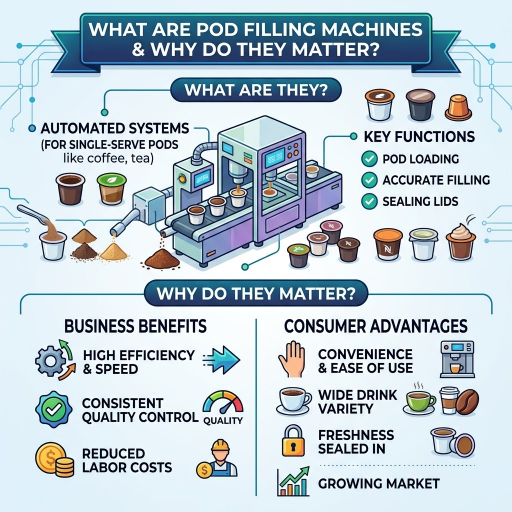
Машина для розлива кофейных капсул – это оборудование, которое дозирует молотый кофе в предварительно сформированные капсулы или капсулы, необязательно азотные смывы, крышки или пленки, термосварочные материалы в устойчивый формат одноразовых кофейных капсул. Наполнители кофейных капсул доступны в настольном формате для ручного розлива кофе оператором до ротационных систем, где регулярно заполняются и запечатываются 600 капсул.
Рыночная справка проиллюстрирует, почему обжарщики заинтересованы в инвестировании в машину для розлива капсул. Мировая индустрия капсул и капсул для кофе превзошла по стоимости в 2023 году, оцениваемую в $38,01 миллиарда, и прогнозируется, что она будет расти совокупными годовыми темпами 6,2%, поднявшись до $58,19 миллиарда в 2030 году, сообщает Исследования Гранд Вью. Одновременно Отчет НКА 2025 свидетельствует о том, что 66% американцев ежедневно потребляют кофе с несколькими форматами заваривания, наблюдая подъем; одиночная чашка вторая по лидерству.
Большинство обжарщиков считают, что наполнение кофейных капсул требует инвестиций в шесть или более цифр. Это может быть не так. Полуавтоматические устройства начального уровня могут начинаться с уровня ниже $5000, так что можно начать тестирование небольших партий, прежде чем начнется крупномасштабное внедрение. Полный спектр машин для наполнения кофейных капсул AFPAK можно использовать от небольшого стартового оборудования до полностью автоматизированных интегрированных линий.
Только индустрия наполнения кофейных капсул в США стоит более $4,5 миллиардов долларов и управляется домашним потребительским поведением, которое установилось во время долгосрочной глобальной пандемии, цитирует Мордор Интеллект. Для независимых обжарщиков, операторов частных торговых марок и контрактных упаковщиков это почти существующий поток дохода для кофейного бизнеса ♪ если системы наполнения поддерживают требуемую пропускную способность.
Как работает процесс наполнения и уплотнения
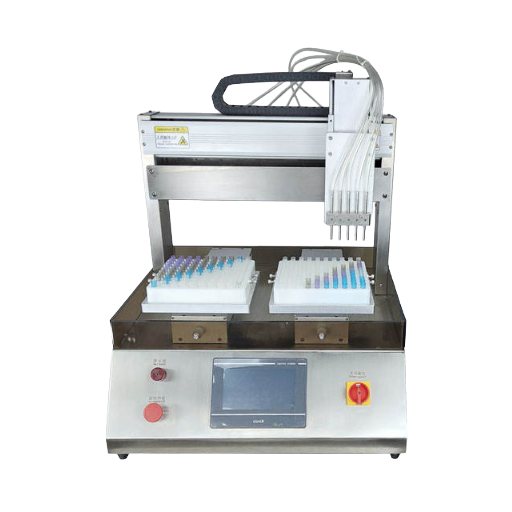
Каждая машина для розлива кофейных капсул использовала один и тот же фундаментальный процесс розлива, независимо от того, полу- или полностью автоматический, медленный или быстрый. Эти пять шагов следует понимать для того, чтобы определить, какие функции машины являются ключевыми, а какие – выступами, может быть простым процессом.
- Загрузка капсул — капсулы типа “Пустые” помещаются в карманы или гнезда, расположенные на конвейере или поворотной платформе. Затем оператор загружает каждую капсулу на полуавтоматическую машину. при линейном устройстве или поворотной установке используется блок удаления гнезда, который может автоматически помещать капсулы в машину из стопки.
- Дозировка и заполнение — винт шнека или объемный поршень дозирует молотый кофе в капсулу. Шнеки могут обеспечить более высокую точность (0,1 г гравиметрического, 0,3 г объемного). Вес наполнения варьируется для каждого формата; Nespresso обычно нужны 5 капсул — 7g, Dolce Gusto 14 16 г, K-Cups 9 12 г.
- Азот Промывка (Nitrogen Flushing) Свежий газообразный азот впрыскивается через сопло для вытеснения кислорода внутри капсулы Этот необязательный процесс настоятельно рекомендуется для специального кофе При правильной калибровке и проектировании свежий остаточный кислород снижается до менее 3%, при этом новые системы достигают уровней всего 0,08%, измеренных Исследования Optima Packaging.
- Крышка Размещение — крышка из фольги или пленки (предварительно вырезанная) вырезается термоматрицей и наносится на заполненную, промытую азотом капсулу. В некоторых машинах используются пленки рулонной заготовки с поточной высечкой, в других машинах используются предварительно вырезанные крышки из фольги, подаваемые из магазина. Машины для размещения крышек K-Cup также вставляют бумажный фильтр перед верхней крышкой.
- Термосварка и осмотр — На станции герметизации нагретая матрица за один этап обеспечивает точное и герметичное уплотнение края капсулы посредством термосварки; Выдержка и приспособление специфичны для используемого материала капсулы. Дополнительные станции визуального и функционального контроля проверяют целостность уплотнения, вес наполнения и отсутствие визуальных дефектов.
📐 Инженерное примечание い Температура Seal по материалу капсулы
капсулы ПП (полипропилена): 180-220С температура уплотнения, Алюминиевая фольга капсулы: 160-190С. Избыточное тепло может производить морщинистые уплотнения, которые не являются механически прочными, неправильно нагретые уплотнения, которые позволяют вход кислорода, или подрумяненная пленка, которая производит нежелательные ароматизаторы. слишком мало тепла может производить неполную адгезию, морщины, и утечки.
Все поверхности и материалы, контактирующие с пищевыми продуктами, должны соответствовать требованиям FDA 21 CFR, часть 117 руководящий документ — Надлежащая производственная практика, анализ опасностей и профилактический контроль на основе рисков для пищевых продуктов человека.
Срок годности — подключен непосредственно к шагу 3. Смытые кислородом свежие капсулы остаются свежими 6-12 месяцев, в отличие от 2-4-месячного срока годности несмытых капсул. Свежесть кофе имеет решающее значение для обжарщиков, которые пытаются доставить продукт со склада потребителю в приемлемом состоянии, особенно для розничной торговли.
Подробное описание других типов машин для наполнения капсул и диапазонов скоростей см. в руководстве пользователя AFPAK.
Типы машин для наполнения капсул: форматы K-Cup, Nespresso и Capsule
Несмотря на схожесть по форме и концепции, не все капсулы работают с использованием одних и тех же форматов. три доминирующих формата лотков в настоящее время доминируют на рынке (K-Cup, Nespresso и Dolce Gusto (все используют разные размеры упаковки, веса наполнителя и методы герметизации).Обучение одной машины для заполнения каждого формата не является ни практичным, ни разумным использованием капитала.
| Особенность | К-Кубок | Неспрессо | Дольче Густо |
|---|---|---|---|
| Капсула Материал | Пластик (ПП) | Алюминий/ПП | Пластик (ПП) |
| Вес наполнителя | 9 — 12 гр | 5 — 7 гр | 14 — 16 гр. |
| Тип уплотнения | Теплозатвор + фильтр | Термосваривание | Термосваривание |
| Типичная скорость (встроенная) | 40 — 80 CPM | 50 — 100 CPM | 30 — 60 CPM |
| Требуется фильтр | Да (бумага) | Нет | Нет |
Поскольку K-Cups используют бумажный фильтр в промежутке между кофейной кроватью и выходной иглой, наполнитель K-Cup также должен иметь дополнительную станцию для установки фильтра.Это добавляет $3,000 —$5,000 к стоимости машины, и является еще одной частью и точкой механического отказа. если ваша стратегия системы K-Cup ориентирована на продажу K-Cup, разрешите использовать это дополнительное оборудование в процессе планирования объекта и планирования капитала.
Машины Nespresso могут быть сделаны, которые используют два материала — алюминий и полипропилен чашки Nespresso Алюминий ближе к коммерческим спецификациям Nespresso, температура уплотнения 160-190C, но капсулы PP стоят меньше Некоторые потребители чувствуют, что алюминиевая капсула указывает на продукт более высокого класса или “. Мы поставляем машины для наполнения и запечатывания Nespresso, которые принимают любой материал.
Капсулы Dolce Gusto, очевидно, больше, а вес наполнения составляет 14 — 16 г (почти 3х доза Nespresso).Кофе будет потребляться с более высокой скоростью на капсулу, и для наполнения потребуется немного больше времени (дозируется больший объем). Многоформатный вариант будет возможен, но время смены составляет 30 ind90 минут, в зависимости от того, сколько частей необходимо заменить. Таблицы для каждого варианта линии упаковочного материала можно найти в AFPAK решения для упаковочной машины для кофейных капсул.
Полуавтоматический и полностью автоматический: соответствие масштаба производству
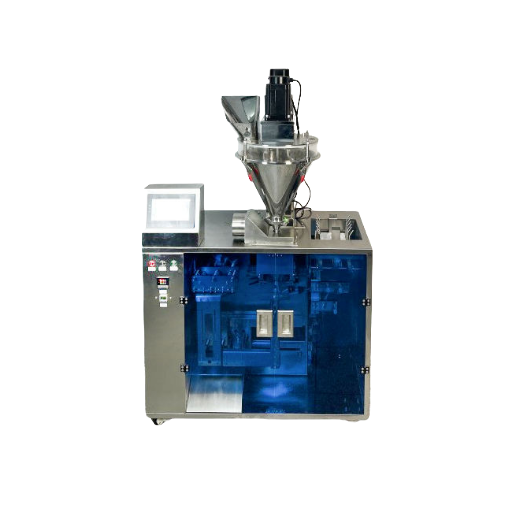
Решения о полуавтоматическом или полностью автоматическом режиме будут зависеть главным образом от одного фактора: ежедневной производительности. Покупка более крупной линейки машин, чем необходимо, приведет к завышению стоимости одного модуля; покупка слишком малого количества создаст ограничение мощности, что может потребовать дополнительных смен. Ниже приведены уровни машин для сопоставления таблиц с реальным реализуемым выходом.
| Спецификация | Руководство/Настольная | Полуавтоматический | Встроенный Автоматический | Роторный |
|---|---|---|---|---|
| Скорость | 2 — 5 стаканов за мин | 8 — CPM 25 | 40 — 80 CPM | 100 (диск) 600+ CPM |
| Операторы | 1–2 | 1–2 | 1 | 1–2 |
| Суточная производительность (8 часов) | 100–400 | 500–2,000 | 3,000–10,000 | 10,000–50,000+ |
| Ценовой диапазон | $1,500 $5,000 | $5,000 $15,000 | $15,000 北$50,000 | $80,000–$300,000+ |
✔ Полуавтоматические преимущества
- Низкое требование к капиталу ($5 ($15K)
- Мелкая площадь подходит для существующих обжарщиков
- Быстрое изменение формата (15 — 30 мин) (15 (30 мин))
- Идеально подходит для проведения НИОКР и тестирования рынка
— — Полуавтоматические ограничения
- Усталость оператора ограничивает реальную пропускную способность
- Более высокие затраты на рабочую силу на капсулу в масштабе
- Согласованность заполнения зависит от навыков оператора
- Нежизнеспособен при производительности более 2000 стручков в час для длительного производства кофе
✔ Полностью автоматические преимущества
- Последовательный вес наполнения (±0,1 г гравиметрический)
- Снижение затрат на рабочую силу на капсулу в объеме
- Интегрированная промывка азотом и проверка
- Роторные машины масштабируются до более чем 50 000 капсул в час в день
— Полностью автоматические ограничения
- Более высокая первоначальная стоимость ($15 ($15)
- Требуется выделенная площадь и компоновка упаковочного оборудования
- Более длительное время выполнения установки
- Риск избыточных мощностей, если прогнозы объема не будут реализованы
Ростеры часто перевыполняют. полуавтоматическая линия 2000p/ч при загрузке 60% имеет более высокую стоимость за капсулу, чем полуавтоматическая линия 500 капсул/час при 100%. Прежде чем покупать машину, определите свое требование первого года (не лучший корпус с ростом, встроенным в 100%) дополнительной емкости для роста.
💡 Профессиональный контрольный список решений по ежедневным томам
- Менее 500 капсул в день → ручной или настольный ($1,500 $5,000)
- 500 (2000 капсул/день) → полуавтоматический ($5,000 ($15,000)
- 2,00000 капсул/день → встроенный автомат ($15,0000-$50,000)
- 10 000+ капсул/день → роторная система ($80,00000 — $300,000+)
См. АФПАК машины для наполнения и запечатывания капсул для реальных примеров установки.
Ключевые характеристики, определяющие качество капсул и срок их службы
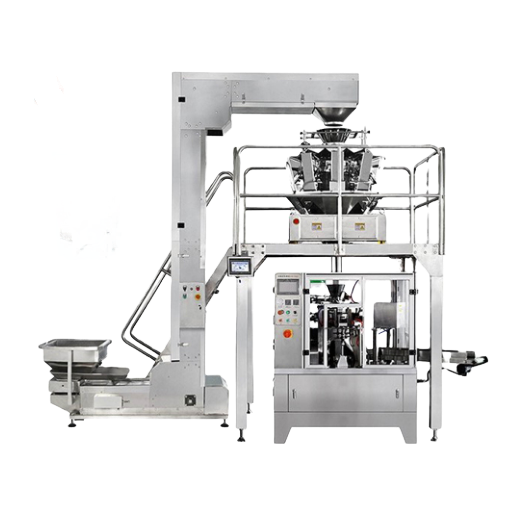
В основе всех остальных спецификаций на машине для наполнения капсул лежат три значения: точность наполнения, эффективность промывки азотом и целостность уплотнения. тщательно контролируемые, эти факторы будут определять свежесть ваших капсул на полке (или вашу гарантию на день после дня) и неудовлетворенность клиентов.
Точность наполнения
Дозировка Оже почти повсеместно используется для точного наполнения молотого кофе; гравиметрическая обратная связь с обратной связью достигает точности 0,1 г (против 0,3 г). Помогает нам представить эффект от масштабирования большого объема через 10 000 стручков в день, когда вы направляетесь к целевым наполнителям 10 г, вариация 0,5 г приводит либо к 4% вашего кофе, находящегося под наполнением (Bad), либо к 4% над наполнением (хорошо). Экстраполируйте эффект через 10 000 стручков в день, используя ту же целевую наполнительную часть, а переполнение 4% преобразуется в 400 г/день неиспользованного кофе или зависит от зеленого происхождения примерно $4$8/день в избыточных зеленых затратах.
Производительность промывки азотом
📐 Инженерное примечание — Параметры промывки азота
Целевой остаточный O2: <3 % (возможно достичь остаточного O2 0,08% с многоступенчатой промывкой).Поток: 25 л/мин, на полосу; интерполируется для объема наполнения капсулы и скорости линии. выборка: встроенный тест свободного пространства для мониторинга Mocon или ручной автономный быстрый анализ с помощью игольчатого зонда.
Окисление ароматических соединений при остаточных уровнях O2 в течение 5% опасно; ухудшение аромата может проявиться в течение 2 — 3 дней ежедневных испытаний, подобных обжарке, согласно Техническое руководство Ровема Н.А.
Данные о сроке годности показывают, что продуваемый азотом защищает 6 12 месяцев (приемлемая срок годности) по сравнению с 2 4 месяцами для непромытых капсул; когда ваш продукт распространяется в продуктовом магазине и/или онлайн-канале с 60120-дневным временным интервалом транзита до полки, отказ от промывки газом не рекомендуется, и если ваш продукт требует опубликованных и проверенных процедур санитарной обработки пищевых продуктов FSMA, предпочитаемых USFDA, промывка азотом является автоматическим минимальным шагом.
Уплотняйте целостность и повышайте качество
Рама машины и все поверхности на контакте продукта должны быть сделаны из прочной нержавеющей стали (304 класса) для гигиены пищевых продуктов, коррозионной стойкости, и легко в очистке.Выберите сертифицированный CE и HACCP совместимый дизайн. конструкция головки уплотнения влияет на консистенцию с течением времени. обработанные алюминиевые головки уплотнения с тефлоновыми покрытиями будут поддерживать равномерное распределение давления намного дольше, чем сварные головки уплотнения. для всех установок производственной линии AFPAK капсулы кофе, каждая модель включает 304 SS нержавеющей стали рам и поверхности контакта продукта и документация CE.
Сколько стоят машины для наполнения капсул? (Общая стоимость владения)
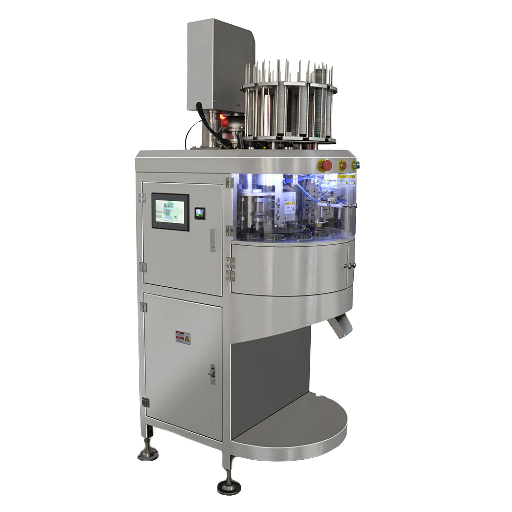
Начальная стоимость покупки машины является только частью уравнения. общая стоимость владения также включает в себя требования к запасам капсул и крышек, кофе, рабочей силы, азотной подачи, обслуживания машины и возможных модулей модернизации. Ценовые скобки (указанные выше в таблице сравнения) могут варьироваться от $1,500 для ручной настольной системы до $300,000+ для ротационной системы с высокой пропускной способностью, поэтому возврат инвестиций имеет значение.
Общие дополнения, влияющие на цену:
- Азотный промывочный модуль: добавляет 15 (15%) к стоимости базовой машины
- Система контроля зрения: $3,000 — $8,000
- Вставка фильтра (K-Cup): $3,000 — $5,000
- Установка и ввод в эксплуатацию: $2,000 — $10,000 в зависимости от местоположения
- Комплект запасных частей (первый год): $50 北$2,000
Пример расчета стоимости за стручку
Предположения: $10,000 полуавтоматическая система, 1,000 капсул/день, 250 рабочих дней/год = 250,000 капсул.
| Компонент затрат | Пер Под |
|---|---|
| Амортизация машины (5 лет) | $0.008 |
| Молотый кофе (10 г @ $5/фунт) | $0.050 |
| Пустая капсула | $0.030 |
| Крышка/фольга | $0.010 |
| Труд (1 оператор) | $0.020 |
| Всего | ~$0.118 |
При производственных расходах всего лишь $0.118/под и розничной цене в среднем от $0.50 до $0.80 за капсулу предприятия малого и среднего масштаба будут иметь щедрую норму прибыли. по мере роста объема выпуска стоимость коэффициента амортизации машины снижается до нуля, а стоимость рабочей силы на капсулу снижается, что представляет собой основное финансовое обоснование перехода на полностью автоматическое оборудование. Инженерная группа AFPAK может спроецировать вашу эксклюзивную диаграмму затрат в зависимости от желаемого объема и состава капсулы.
Часто задаваемые вопросы
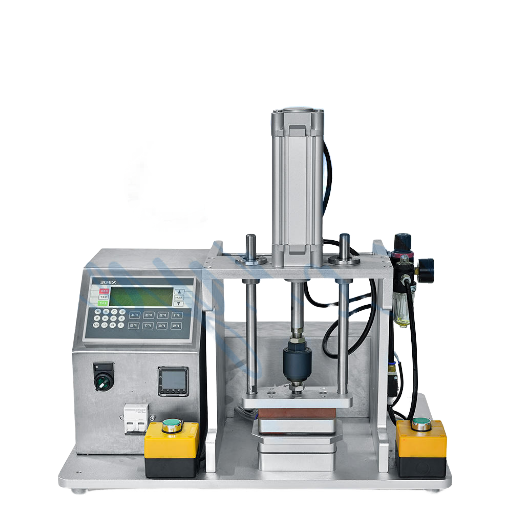
Вопрос: Как работает машина для розлива капсул?
Посмотреть Ответ
Вопрос: В чем разница между кофейными капсулами и кофейными капсулами?
Посмотреть Ответ
Вопрос: Сколько стоит машина для наполнения капсул?
Посмотреть Ответ
Вопрос: Могу ли я наполнить свои собственные капсулы кофе для перепродажи?
Посмотреть Ответ
Вопрос: Какие форматы капсул может обрабатывать одна машина?
Посмотреть Ответ
Вопрос: Как вы поддерживаете точность наполнения с течением времени?
Посмотреть Ответ
Об этом анализе
Этот краткий информационный лист основан на общедоступных спецификациях производителей, рыночных показателях NCA и принципах, установленных FDA. AFPAK поставляла герметики и прилавки для капсул кофе в течение 14 лет в Шанхае, Китай, более чем 300 брендам домов в местах в более чем 40 странах. Цены и технические характеристики являются репрезентативными для рынка 2025 года и могут отличаться в различных конфигурациях.
Ссылки и источники
- NCA 2025 Национальная ассоциация данных о кофе (Национальная ассоциация кофе)ncausa.org)
- Отчет о размере рынка кофейных капсул 2030 — Grand View Research (2030)grandviewresearch.com)
- закон FDA о модернизации безопасности пищевых продуктов (FSMA) 北 uss Управление по контролю за продуктами и лекарствами (FOOD and Drug Administration)fda.gov)
- 21 FR Часть 117: Текущая надлежащая производственная практика 北 FDA (Current Good Manufacturing Practice — CFR)accessdata.fda.gov)
- Азотсберегающий пакет для кофейных капсул — Optima Packaging (упаковка Optima)оптима-пакеджинг.com)
- Кофейные капсулы и капсулы. Анализ рынка い Mordor Intelligence (мордор intelligence.com)
- Поддержание остаточного уровня кислорода на низком уровне (Rovema NA) (Rovema NA)rovema-na.com)
Связанные статьи
- Типы, скорости и критерии выбора машин для розлива кофейных коробок
- Решения для упаковочных машин для кофейных капсул для любого масштаба
- Неспрессо-совместимое оборудование для наполнения и герметизации капсул
- Полные конфигурации производственной линии кофе-капсул
- Модели и технические характеристики машин для производства кофейных капсул


