
Nerezové Nespresso lusky jsou otázky značky na prvním místě seznamu pro zdroje kávy v ²026. Hliníkové kapsle kategorie, jak ji známe, a domácí vaření. Plastové náplně však poskytly nadšencům kávy spoustu oslav, nyní ocelové opakovaně použitelné umožňují speciální pražírny a soukromé štítky povznést se nad otázku, zda opustit jednorázové použití. Místo toho vyvstala nová otázka: “Jak může moje společnost převzít vlastnictví tohoto odlišného, luxusního formátu?” k tomuto návodu se zkoumá možnosti značky, protože rozkládá nerezové moduly, nastiňuje materiální výhody a nevýhody, pojednává o tom, jak čárový kód Vertuo stále funguje jako překážka a jak může kalendář regulace eu utvářet nákupní rozhodnutí pro toto čtvrtletí.
Rychlé specifikace (podvod Nespresso z nerezové oceli) z nerezové oceli (podvodný list kupujícího B2B)
| Výchozí stupeň | 304 (18% Cr / 8% Ni); 316 (+ 2-3% Mo) pouze při prémiovém umístění nebo vodě s vysokým obsahem chloridů |
| Skořepinová stěna | Typické ~0,5-0,8 mm (obor; liší se podle dodavatele) |
| Kompatibilita strojů | OriginalLine: téměř univerzální. Vertuo: vyžaduje pracovní postup nálepky na čárový kód na Vertuo Plus / Vertuo Další / Vertuo POP |
| Soulad FDA/EU | 304 splňuje 21 CFR 175.300 (nátěry přicházející do styku s potravinami) a EU 1935/2004; Údaje o migraci EFSA: uvolňování niklu < 0,05 mg na porci v kyselých horkých nápojích |
| Zlom životního cyklu | Zhruba 100-200 varných cyklů vs hliník na jedno použití, interpretováno ze srovnávací literatury LCA o nápojových kelímcích |
| B2B MOQ (soukromý štítek) | Nerezové běžně 5 000-10 000 jednotek (4-6 týdnů dodací lhůta); hliník/kompostovatelný může začínat na ~8 000 jednotkách napříč hlavními baliči |
| Regulační zadní vítr | Nařízení EU PPWR 2025/40 vstoupilo v platnost v roce 2025; široké uplatnění od roku 2026; Mandát kompostovatelného kávového lusku členského státu se očekává kolem roku 2028 |
| Pracovní postup čárového kódu Vertuo | Vyžadováno pro Vertuo Plus / Další/POP přes vodotěsné laminované náhradní samolepky; není potřeba na OriginalLine |
| Čištění síťového filtru | Denní oplach je největší proměnnou oddělující životnost 500 cyklů a 1 500 cyklů |
| Pokyny k velikosti broušení | Jemnější než supermarketové espresso mletí; tlak tamponu kolem ekvivalentu 10-15 lb |
| Pozadí trhu s kávou | Globální trh kávových kapslí předpokládaný od $32,6 B 2025 do $46,9 B do roku 2031; opakovaně použitelné nadindexy podsegmentů v DTC a speciálních kanálech |
Čím se liší nespresso z nerezové oceli od výchozího formátu
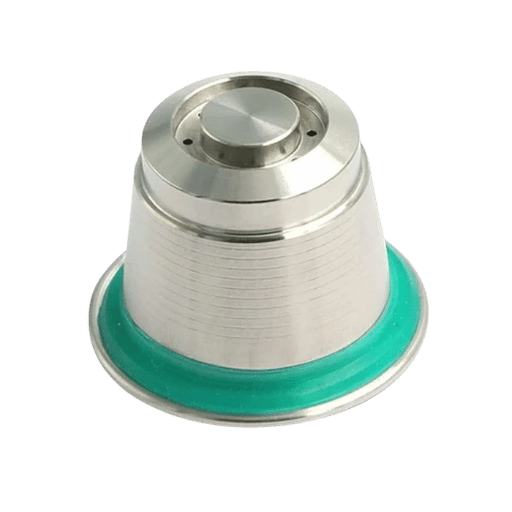
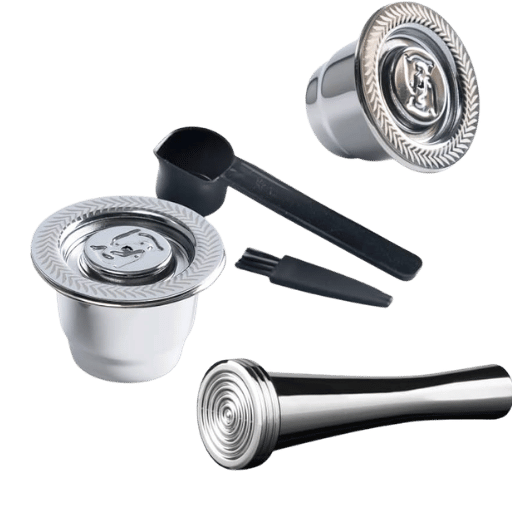
Kapsle z oceli-Nespresso je opakovaně použitelná kávová kapsle, která se skládá z potravinářského, austenitického ocelového pláště a velikosti určené pro systém kapslí Nespresso Original Line nebo Vertuo. Na rozdíl od hliníkových nádob óg, které byly utěsněny, použity a následně zlikvidovány, je tato ocelová kapsle navržena k opětovnému naplnění sedlinou, poté utěsněna síťovaným uzávěrem nebo náhradním diskem před opakovaným vařením.
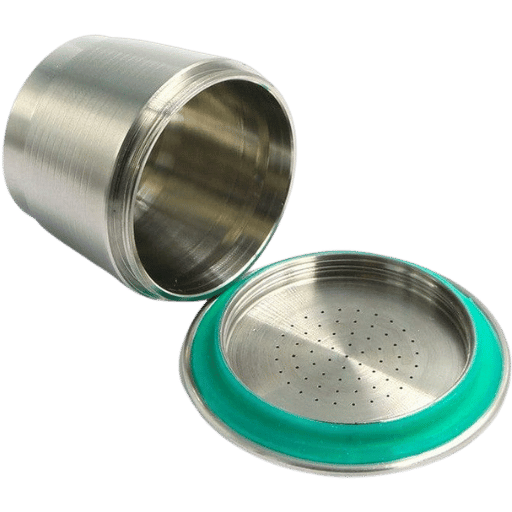
výrobní proces ez pro kapsle z nerezové oceli je záměrně přímočarý z nějakého důvodu. Pro množství kávy 5-9 gramů (5-8 centimetrů, podle typu kapsle) postačí nenáročný, tažený nebo hluboce lisovaný plášť z nerezové oceli. Do ocelové kapsle je zabudována propíchnutá síťovaná vložka, která plní funkci, kterou dříve zajišťovala fólie v hliníkových kapslích. Víka se liší; některé modely mají trvalé, síťované uzávěry, zatímco jiné mají vyměnitelné, ultratenké kotouče, které napodobují podrobnější mechanické působení jejich předchůdce.
Rozdělení kapslí mezi dvě možnosti stroje je významnější ve srovnání s materiálem kapsle. Oba typy mohou používat tlak 19 barů, který je nedílnou součástí strojů Nespresso; protože se však kapsle nemohou autentizovat ke stroji prostřednictvím elektronické komunikace, pouze montáž kapsle/správného těsnění do mechanismu. USPTO designový patent USD1111659S1 pro opakovaně použitelné kávové kapsle víko dále posiluje, že vývoj produktu v tomto formátu zůstává aktivní pronásledování, Například, inteligentní čepice vyžadují, aby značka má další hardware nebo vyvíjet zcela nové produkty. Nespresso-vyráběné produkty, které fungují jsou ty, které jsou vyráběny nebo získávány výhradně prostřednictvím jejich kanálů (na a ocelový lusk vyrobený mimo tyto by pravděpodobně porušil například určité průmyslové vzory, pokud nebyly konkrétně vyrobeny prostřednictvím licencovaných ujednání prostřednictvím Nespresso, LLC a/nebo jejích přidružených společností (annespresso as).To je zdůraznit rozdíl mezi vlastnostmi materiálu (ocel), konstrukce (jak je uvedeno výše), a licencování/IP (což je to, co je důležité pro zařízení značky Nespresso, především pro Vertuo).
Nerezová ocel vs hliník vs plastové podložky: Materiál Side-by-Side
Třícestný test materiálů (všechny tři tyto kategorie kapslí - hliníkové nebo jiné kovově potažené kapsle, kapsle na bázi plastu nebo opakovaně použitelné kapslové systémy a kapsle z nerezové oceli) poskytuje různé srovnání pěti faktorů: neutralita chuti, potravinová bezpečnost per Pokyny FDA pro látky při kontaktu s potravinami, počet znovupoužitelnosti, ztělesněné náklady na energii a sektor prémiových cen - nikdo nenabízí nejlepší známky ve všech kategoriích. Proto se sluší ředitelům nákupu vyhodnotit hodnoty své vlastní značky s ohledem buď na možnosti na jedno použití, závazek jejich značky k úsilí o udržitelnost, nebo jako způsob, jak ovládnout mezeru pro soukromé značky.
| Rozměr | Hliník (výchozí) | Plast (PP/PLA) | Nerez (304/316) |
|---|---|---|---|
| Chuťová neutralita | Vysoká (inertní lakovaný interiér) | Střední (možné některé PP off-notes) | Vysoká (žádné organické vyluhování) |
| Bezpečnost při kontaktu s potravinami | Schváleno s lakovou bariérou | Schváleno (třídy bez BPA) | 21 CFR 175 + EU 1935/2004; migrace niklu < 0,05 mg/porce v kyselých teplých potravinách |
| Praktický počet opětovného použití | Jednorázové použití | ~50-200 cyklů (degradace) | Typické je 500+ cyklů (omezením je opotřebení ok) |
| Vtělený uhlík | Vysoká (primární produkce Al dominuje uhlíku v lusku) | Nízká na jednotku, ale cykly opětovného použití omezené | Vysoká za jednotku; amortizováno při opětovném použití |
| Pásmo maloobchodních cen | $0.50-$1.20 na výstřel | Opakovaně použitelné: sada $12-25 | Opakovaně použitelné: sada $25-60, $8-20 na modul |
Je kafe z nerezové oceli lepší než plast?
Pokud jde o chuť a trvanlivost, ano, pokud je marže širší, než naznačuje většina marketingových tvrzení. Možná ji nezjistíte po 1-2 měsících každodenního pití z polypropylenového (PP) opakovaně použitelného lusku, ale postupem času PP pomalu uniká ze svého změkčovadla, které pravděpodobně všimnete. Ocel je inertní, když je vystavena teplotám vaření kolem 92° C (198° F), zatímco i některé levné hliníkové systémy nádobí přitahovaly pozornost zastánců spotřebitelů ohledně možné migrace prvků do vařené kávy prostřednictvím pasivního povlaku z oxidu (chrómu). O udržitelnosti však otáčí tabulky v závislosti na tom, jak často se lusk skutečně používá: Ocelová kapsle dosáhne svého bodu zvratu na frontě životního prostředí rychleji než hliníkový ekvivalent, i když se používá jen dvakrát týdně po dobu 12 měsíců, kapsle použitá jednou za čtyři týdny má však ještě větší ekologickou stopu, než kterou nahradili, což je problém, který musí mít prodejci na paměti v bodě zlomu na rozdíl od těch v dolní linii.
Proč se značky kávy přepínají: 5 spínacích spouště
Podu z nerezové oceli v současnosti nejsou alternativou hromadného přesunu trhu k výrobcům hliníkových modulů a nedávnou činností v oblasti patentů na design, jako je např USPTO USD1111659S1 potvrzuje pokračující inovace v tomto segmentu, protože jejich úspěch byl dosud v pěti odlišných kontextech značky; každý má svůj vlastní odlišný soubor důkazů a související dodací lhůta pro strategické rozhodování vyžadovaná na úrovni značky/sourcingu je důležité zvážit v souladu s jeho kontextem.
| Spouštěč | Citované důkazy | Typ značky Nejvíce postižený | Typická doba realizace rozhodnutí |
|---|---|---|---|
| 1. Rozšíření prémiové úrovně | Illy uvedla na trh prémiový stroj na podvěsy X-Caps na Milan Design Week 2025; následují speciální pražírny se společně značkovými opakovaně použitelnými sadami | Speciální pražírny; prémiová privátní značka | 6-9 měsíců (nářadí + co-brandové balení) |
| 2. Regulační tlak EU PPWR | Nařízení 2025/40 platí od roku 2026; mandáty členských států pro kompostovatelné kávové kapsle se očekávají kolem roku 2028; širší omezení plastů na jedno použití postupně směrem k roku 2030 | vývozci na trhu EU; nadnárodní značky | 12-18 měsíců (dokumentace shody) |
| 3. Kontrola značky jednoho původu | Opakovaně použitelné kapsle umožňují značkám dodávat pražené fazole + značkovou opakovaně použitelnou sadu, která zachycuje opakující se nákup mletí spíše než jednorázový prodej kapslí | Pražírny přímo pro spotřebitele; značky předplatného | 3-4 měsíce (montáž sady + LMS) |
| 4. Ekonomika nákladů na snímek ve velkém měřítku | Dodavatelé soukromých značek uvádějí MOQ z ~ 8 000 kapslí pro hliník ve 3-4týdenních dodacích lhůtách; nerezové MOQ přistávají na ~5 000-10 000 s dodacími lhůtami 4-6 týdnů | Pohostinské skupiny; programy kancelářské kávy | 2-3 měsíce (cyklus zadávání zakázek) |
| 5. Diferenciace maloobchodu v kategorii opakovaně použitelných | Globální trh kávových kapslí se pohybuje od zhruba 1 TP4T32,6 B v roce 2025 směrem k 1 TP4T46,9 B do roku 2031, přičemž opakovaně použitelný podsegment je nadměrně indexován v DTC a speciálních maloobchodních kanálech | Nezávislí maloobchodní vyzyvatelé; dárkové/životní prostředí SKU | 4-6 měsíců (výpis maloobchodu) |
Jeden může sledovat kombinaci výše uvedených “spouštěčů; a ve skutečnosti mnoho strategií pro nerezové moduly 2026 obsahuje prvky několika, ale dvě jsou často spojeny ke škodě značky. EU PPWR vyžaduje ”přednost před kompostovatelným versus znovu použitelným (výchozí cesta, kterou mnoho velkých hráčů nabízí jako nové Nespresso, Lavazza a McCaf, tím, že poskytuje určitou kompostovatelnou certifikaci členského státu) argument “bez plastu není automatický pro opakované použití z nerezu a měl by být formulován čestně a zodpovědně jako to, čím je: speciální/B2B/prémiová strategie, nikoli celý prodej regulační ”snadné tlačítko.
Kompatibilita strojů: OriginalLine vs Vertuo (Proč je příběh Vertuo jiný)
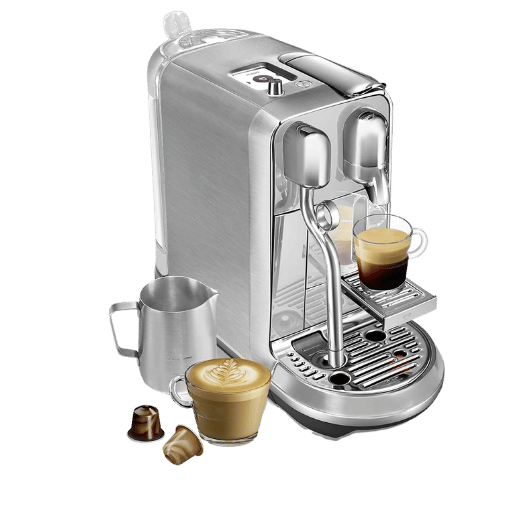
Nejdůslednějším rozhodnutím ‘SKU’ týmu pro získávání zdrojů při výrobě kapslí z nerezové oceli pro Nespresso je, zda je zamýšlí uvést na trh ve svém systému OriginalLine (kde to může fungovat) nebo systému Vertuo (téměř jistě to bude vyžadovat adaptér/pro práci s úplným řešení kompatibility), které má rozdíly v tom, že tyto dva jsou mechanicky/elektronicky a nejsou tak jednoduché jako použití nálepky. Inovace designu v tomto výklenku zůstává aktivní; vidět USPTO USD1111659S1 pro nedávné opakovaně použitelné podání víka kapsle.
| Rodina strojů | Nerezová Pod životaschopnost | Proč to funguje (nebo ne) |
|---|---|---|
| OriginalLine (všechny modely) | Vysoká podpora téměř univerzální třetí strany | Tlakově řízená extrakce (~19 bar); žádné elektronické ověřování; jakýkoli modul namontovaný v komoře, který správně utěsní, se uvaří |
| Vertuo (starší / Vertuo+) | Střední ór vyžaduje pracovní postup samolepky čárového kódu | Odstředivá extrakce spouštěná čárovým kódem potištěným víkem; náhradní vodotěsné laminované nálepky znovu ověřují každé vaření |
| Vertuo Další | Střední příp pracuje se současnými návrhy samolepek | Stejný protokol čárového kódu; rozměry nálepky jsou specifikace hradlování dodavatele |
| Vertuo POP | Střední sticker sticker workflow spolehlivý | Odborníci z oboru uvádějí, že Vertuo Plus a POP mají nejspolehlivější výkon samolepek napříč řadou Vertuo |
| Vertuo (levné neznačkové opakovaně použitelné) | Nízké riziko úniku a poškození | Zprávy o odlupování nálepky na čárový kód, selhání těsnění a poškození komory nedostatečně postavenými skořepinami třetích stran |
304 vs 316 Nerez: Jak třída oceli ovlivňuje chuť, bezpečnost a náklady
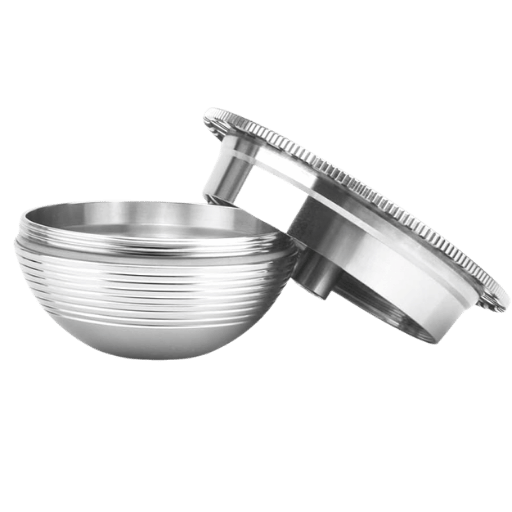
Výběr směsi oceli, alespoň z hlediska značky vs. nákladů na získávání zdrojů, může určit rozdíl 181 TP3T v surovině a tento bod rozhodnutí jen zřídka záleží na udržitelnosti rezidenčního piva- 304 (standard pro vaření), který má obvykle více než dostatek adekvátní složení nerezové oceli pro domácí systémy Nespresso, přičemž všechny štítky ‘lékařské kvality’/‘chirurgické kvality’ jednoduše identifikují různé kvality v rámci širší austenitické rodiny 300.
| Rozměr | 304 (18/8) | 316 (18/10/2) | “z chirurgického/lékařského stupně nároku |
|---|---|---|---|
| Obsah chromu | ~18% | ~16-18% | Marketingový termín; obvykle znamená 316 nebo 316L |
| Obsah niklu | ~8% | ~10-14% | Žádný samostatný standard ASTM pro kávové kapsle se sudou kávou pro lékařskou kvalitu |
| Obsah molybdenu | Žádný | ~2-3% (odolnost vůči chloridu) | Nerozeznatelné od 316 v laboratorních testech |
| Kávová kyselá koroze | Vynikající při rezidenčním využití | Vynikající v oblastech s chloridem a těžkou vodou | Stejné jako 316 |
| Soulad FDA/EU | 21 CFR 175.300 /175.390 /EU 1935/2004 | Stejná cesta, širší záběr | Stejný regulační základ; není zapojen žádný certifikát lékařského zařízení |
| Nákladová prémie (surovina) | Výchozí stav | +15-25% | Žádná další prémie pouze za marketingový nárok |
- Váš zákazník je na trhu s vodou s vysokým obsahem chloridů (města s blízkostí mořské vody, většina částí FL a pobřeží Mexického zálivu v USA, jižní Evropa).200 mg/LCl je normální.
- Vaše značka hraje na segmentu nejvyšší úrovně ($25/2 balení), kde zákazník očekává 316 od “námořního stupně v listu specifikace.
- Vaše značka bude spojena se značkou zdravotnických nebo chirurgických nástrojů, kde zarovnání na 316 ingo a 316 l ember dává smysl pro vyprávění vaší značky.
Pro všechny ostatní případy je 304 výchozí v komerčním vaření piva, dokonce i aplikace horkých potravin pro potravinářskou nerezovou třídu, podle údajů expertní komise EFSA a JECFA. Migrace niklu pro horké, kyselé, austenitické aplikace nerezových potravin vychází na frakce miligramu na porci a je zanedbatelná ve srovnání s množstvím niklu již obsaženým v kávě. Údaje EFSA a JECFA specifikují povolené úrovně na velikost porce, které jsou mnohem vyšší, než jaké jsou hlášeny pro vyluhování oceli v potravinářských výrobcích.
Na základě objemu výroby se rozdíl stává významným. Bylo by zapotřebí 35 kg nerezové oceli v průměrné objednávce 50 000 jednotek nerezového kávového lusku (při 0,7 gramu pro tloušťku skořápky). S 316 materiálem, který stojí dalších 15 až 251 TP3T více, se vaše celkové náklady zvýší na lusk s vyššími náklady, které přecházejí na cenu konečného produktu. S ohledem na to je třeba vzít v úvahu výchozí hodnotu 304 s odkazem na shodu s EFSA nebo FDA jako základ výběru, přičemž je třeba vyhradit prémii, specifikaci 316 pouze pro ty kupující, kteří požadují stupeň “marine”.
Uvnitř procesu plnění pod: Co musí značky plánovat
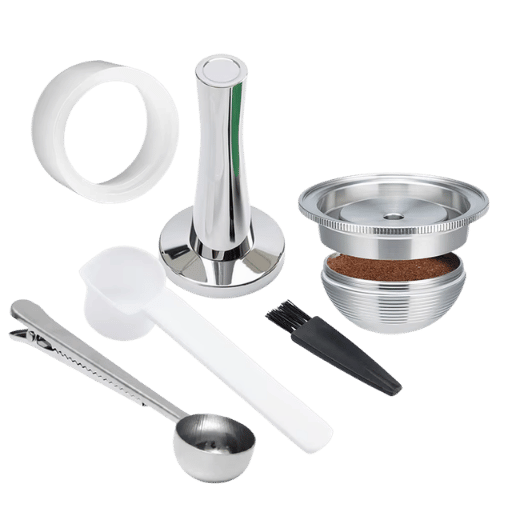
Výrobní linky mají kromě nerezových dílů dalších 5 procesních kroků.
- Dávkování.5 5 7 gramů na lusk nebo 9 12 °C pro lusky vertuio je dávka kávy, která má být podávána uvnitř. Tolerovaný chybový rozsah pro každý výstřel je obvykle pod 0,2 gramu pro slušnou výrobní linku pro původní linku.
- Pěchování. Mechanické pěchování může vyvinout účinnou tlakovou sílu kolem 10 -15 lb. Pod pěchováním vede k vodnatým výstřelům a dokonce ani nevytažené krémě, zatímco nadměrné pěchování by mohlo ucpat síto a potenciálně zvýšit tlak v varné komoře, v určitých případech to může vést k nárůstu tlaku a porušení během vaření.
- Těsnění Existují především dva typy: trvalé síťované víko s integrovaným vzorem značky (žádné fóliové víčka s integrovaným designem, patentované pouze značkami, (Penzionální chování společnosti ENNespresso), nebo tepelně zatavené hliníkovo-slitinové fólie uzávěry (Nespresso originální styl pods chování).Filové uzávěry těsnění je utěsněno na plotýnce upravené na mezi 165-185 stupně tepla po dobu mezi 0,5 a 1,0 sekundy.
- Test netěsnosti Některé společnosti pravidelně kontrolují integritu netěsností modulů (např. 1 z 1000, 1 z 500) prostřednictvím pneumatického testování nebo pomocí vakuové testovací jednotky, která je příčinou selhání některých modulů z nerezové oceli nízké kvality třetích stran pod tlakem vaření. a výsledkem jsou záruční výzvy zákazníka.
- Balení. Dusíkem načechraný a utěsněný poly filmový sáček, také známý jako flow-wrap nebo polštářový sáček, chrání praženou mletou kávu před kyslíkem po celou dobu trvanlivosti. Umělecké dílo značky pokrývá tento sáček, pro soukromé označování kávy pro značky bude k dispozici také zakázková potištěná externí kartonová krabice, která nese značku.
Zegbrk_0010.
Sada kategorií plnicího a těsnícího zařízení, přesně v provincii, ve které společnost a podobné specializované společnosti vyrábějící plnicí stroje na kávové kapsle ospravedlňují své poplatky, je, pokud jejich zákazník má stávající hliníkovou společně balenou linku a přeje si přejít na nerezovou verzi se soukromou značkou Zařízení potřebné pro nerez vypadá mechanicky jednodušší variantou než hliník (žádný děrovač fólie od horního okraje), avšak požadavek na důslednější udržování zkoušky těsnosti se zvyšuje kvůli tomu, že každý z opakovaně použitelných nerezových kávových kapslí je vařen alespoň několik setkrát. což by bylo sotva více než přijatelné s původním hliníkem, ale které skončí výzvou.
Kolikrát lze skutečně znovu použít pouzdro z nerezové oceli, než bude potřeba vyměnit?
Průměrné opakovaně použitelné výtěžky jsou založeny na středně kvalitním nerezovém pouzdru s pevným síťovým víkem používaným od přibližně 500 do 1500 cyklů vaření, po této době se síťka ucpe nad rámec schopnosti jednoduchého mytí nebo sedlo pouzdra neudrží dostatečné těsnění. Lusky s vyměnitelným fóliovým kotoučem mají mnohem delší životnost na vnějším plášti (mnoho tisíc cyklů), ale použitý fóliový kotouč je jednorázový prvek na bázi piva, který často tvoří součást doplňovacích balení značky 100. ‘Huké olejové kávy (tmavé pečeně nebo některé singly v indonéském stylu) mají tendenci omezovat životnost síťoviny rychlejším hromaděním zbytků, ’lehké‘ pečeně prodlužují životnost síťoviny. Dobrý průmyslový profesionál uvádí, že pravidelné mytí síťového filtru je největší proměnnou mezi 500 cykly použití a 1500 cykly použití.
Matematika udržitelnosti: Když opakovaně použitelné porazí jedno použití
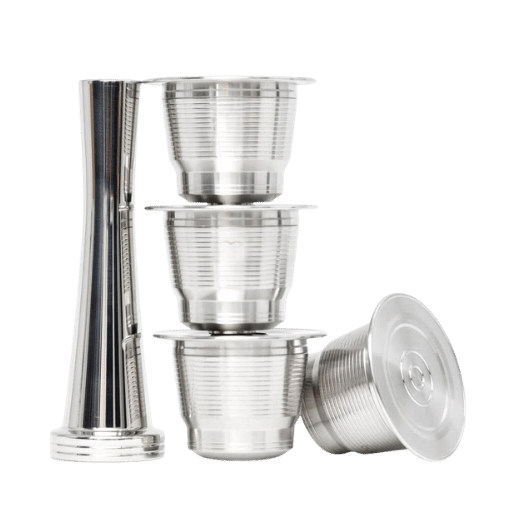
Kopie udržitelnosti je nízko visící, snadno přeslibovatelná, a tedy snadno poddolovatelná ovocný strom. Bezpečnostní tvrzení o kontaktu s potravinami, která ukotvují příběh udržitelnosti, by měla odkazovat na primární regulační text, jako je např FDA 21 CFR 175.390 spíše než sekundární citace blogu. Studie LCA opakovaně použitelných nerezových nápojových kelímků [s] a existuje mnoho takových studií; souhrnný srovnávací dokument LCA publikovaný UNEP [shrnutí] skutečně naznačují, že uhlíkový zlom z jednorázových výrobků se obvykle začíná plížit na nízkých stovkách použití v závislosti na předpokladech kolem toho, kolik energie jde do horké vody, hmotnost kelímků nebo lusků a jaká je čisticí energie se používá. Aplikujte tuto logiku například na kávové kapsle, přiměřeně obhajitelným závěrem může být, že se začne lámat i proti hliníku řádově kolem 100-200 varných cyklů.
Pod tímto rozsahem vaše počáteční náklady na emise uhlíku převažují nad úsporami snížení výrobních cyklů hliníku.
Proč záleží na hliníkové stopě Velkým důvodem, proč vůbec existuje uhlíková základní linie pro váš kávový modul, je to, že tavení původního hliníku tvoří obrovský faktor jediný, největší prvek uhlíkové stopy konvenčního jednorázového modulu. Standardní LCA na obalech kávy nedávno zvýraznila energetický vstup hliníku v bodě tání jako jediného, největšího generátoru emisí v procesu vytváření kávové kapsle. Kapsle vyrobená z oceli a uvařená 300krát pak obchází velkou většinu tohoto hliníkového uhlíku s relativně mírným nárůstem (jedno použití) výrobního dopadu ocelového pláště.
EU PPWR (Nařízení 2025/40) jsou regulační hodiny pod touto matematikou. Nařízení vstoupilo v platnost v roce 2025 a v roce 2026 se široce uvádí a nahrazuje dřívější směrnici o obalech a odpadech z obalů. (Viz “Právní analýzy PPWR, od Plastics Packaging. a): ”EU PPWR může brzy prostřednictvím opatření členských států požadovat, aby většina sáčků na kávu a většina kávových kapslí byla kompostovatelná od 12. února 2028, s dalšími omezeními pro jednorázové plasty, která vstoupí v platnost do 1. ledna 2030, a mandát k opětovnému použití přepravních obalů. U značek, které poctivě dodržují: PPWR tlačí kategorii kávy nejpříměji do kompostovatelného, zatímco nerezová ocel opakovaně použitelná je odpovědí na otázku ”z plastu na jedno použití, ale nedosahuje přímo preferencí kompostovatelnosti. Sladit tvrzení o udržitelnosti s matematikou opětovného použití, kterou lze obhájit, nikoli s kontrolním polem shody s předpisy, které formát ve skutečnosti nezaškrtává.“
Marketingová kopie tvrdí, že opakovaně použitelné moduly pro použití bez použití jako u pfwr jsou v souladu s PPWR a nefungují. EU PPWR tlačí členské státy k tomu, aby již na začátku roku 2028 nařídily kompostovatelné jednorázové použití. Nerezové opakovaně použitelné je jedním ze způsobů, jak reagovat na mandáty členských států, ale není to záměr politiky. (NAVRŽENO tak, aby překračovalo omezení plastů na jedno použití, je přesnější než v souladu s “ppWR, dokud právní týmy dokument nenapíší.
Denní použití: Naplňte, uvařte, vyčistěte (značky UX by měly před provedením otestovat)
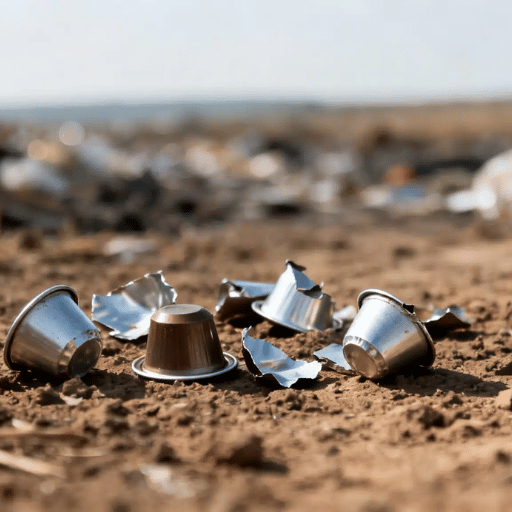
Tření koncového uživatele je místem, kde je rozhodnutí o získávání B2B buď ověřeno nákupem, nebo rozdrceno lístky podpory (support tickets) a spolehlivost produktu zůstává aktivním technickým cílem, as nedávný patent WIPO W02025120122A1 spolehlivost dávkování kapslí ilustruje. Čtyři primární režimy selhání UX kolem nerezové oceli jsou předvídatelné a jejich zmírnění spadá do působnosti úsilí před produktem, nikoli po produktu.
Typ podu × Use Case Classification Matrix
Před dokončením vašeho testovacího protokolu UX pro každodenní použití klasifikujte konkrétní typ podu vašeho linelu podle použití koncového uživatele, se kterým se setká. Každá kombinace pod/uživatel vyžaduje přizpůsobený plán testování a specifický plán vzdělávání uživatelů.
| Typ pod | Primární případ použití | Znovu použít Cadence | Priorita testu před spuštěním |
|---|---|---|---|
| Permanentní síťované víko (OriginalLine) | Denní domácí vaření piva, speciální svazky pražírny | 1-3 piva denně | Zanášení sítí po 30 dnech; velikost mletí odpovídá |
| Fóliový disk opakovaně použitelný shell (OriginalLine) | Pohostinství /kancelářské programy; téměř originální profil piva | 5-20 piv denně | Konzistence dodavatelského řetězce fólie; kalibrace plotýnky |
| Čárový kód-nálepka opakovaně použitelné (Vertuo Plus) | Domácnosti Vertuo chtějí ovládání hlasitosti | 1-2 piva denně | Lepicí trvanlivost lepidla za mokrého tepelného cyklu |
| Čárový kód-nálepka opakovaně použitelné (Vertuo Další) | Novější domácnosti Vertuo, dárkový segment | 1-2 piva denně | Shoda rozměrů nálepky s nejnovějším firmwarem Vertuo Next |
| Čárový kód-nálepka opakovaně použitelné (Vertuo POP) | Lifestyle SKU; mladší spotřebitelský segment | 1-3 piva denně | Barevně odpovídající varianty SKU; stabilita barvy nálepky |
| Private-label OriginalLine startovací sada | značky předplatného DTC, dárkové balíčky | Liší se podle profilu předplatitele | Gravírování značky/trvanlivost potisku podložky po 100 mycích cyklech |
| B2 B hromadné Originální opakovaně použitelné | Kancelářské kávové programy, co-workingové spíže | Těžké použití; sdílený režim čištění | Hygiena SOP pro sdílené použití; kadence kontroly sítě |
| Prémiový 316 jednojednotkový dárek | Vyprávění příběhů špičkových značek; segment sběratelů | Lehké použití; emocionální nákup | Balení unboxing UX; certifikační dokumentace stupně |
| Co-branded speciální balíček pražírny | Kontrola značky indie pražírny; opakující se příjmy z mletí | Vzdělávací kadence vedená pražírnou | Karta pro párování mletí na profil pečení; změnit pořadí toku |
| Režim selhání | Základní příčina | Frekvence stížností zákazníků | Zmírnění na straně značky |
|---|---|---|---|
| Únik ve švu víka | Těsnění pod specifikaci; stárnoucí silikonové těsnění; agresivní tlak tamponu | Vysoký v levném dovozu; vzácné u dodavatelů disciplinovaných QA | Předstartovní testování těsnosti 1 ve 100; zahrnout náhradní těsnění do startovacího balíčku |
| Vodní panák nebo tenká krémová krémová | Mletí příliš hrubé; pod-tamp; poddávkování | Nejvyšší jednotlivá stížnost na opakovaně použitelné produkty | Do balení zašlete tabulku velikosti mletí; doporučte jemnější než supermarketové mletí espressa |
| Zanášení síťového filtru | Mletí příliš jemně; tmavé pečeně těžké na olej; vzácné čištění | Střední (medium) (tref) po 3-4 týdnech každodenního používání bez čištění | Do sady zahrňte malý čisticí kartáček; instruujte každodenní oplachování |
| Vertuo čárový kód samolepka kůra | Selhání lepidla při cyklování mokrého tepla; podspecifikovaný laminát | Střední na linkách Vertuo; blízko nuly na OriginalLine | Zdroj vodotěsné laminované samolepky od známého dodavatele; svažte náhradní list |
Spusťte interní 30 denní pilotní projekt cílové strojní linky před podpisem smlouvy na nástroje z nerezové oceli, Jednou každé ráno a odpoledne po dobu trvání dokumentujte proměnné broušení, techniku pěchování, pozorované úniky a fotografujte cremu. Selhání je zřídka vynecháno s disciplinovaným přístupem 14. den tohoto druhu pilotního projektu nebo dříve, než partner privátní značky zadá počáteční objednávku.
Ve svém marketingu můžete efektivně umístit nerez tím, že upřímně sdělíte úspěchy uživatelů v terénu. Tito uživatelé se propracovali k identifikaci správného rytmu mletí, tampování a čištění, který jejich konkrétní stroje vyžadují. Jasná identifikace tohoto procesu učení pro spotřebitele předem v materiálech zákaznické podpory zabraňuje přetížení lístků podpory, které pohřbívá úsilí o opětovné použití B2C.
Kam směřuje formát Nerezového podu: 2026 a dále
Při stanovování 12-24 měsíční strategie pro nerezovou ocel si uvědomte tři vznikající signály - všechny s přidruženým časovým horizontem a všechny nedokážou signalizovat posun formátu směrem k mainstreamingu s vyloučením hliníkových alternativ.
- Kompostovatelný dominuje jako hlavní odpověď na PPWR EU, nikoli činnost nerezových značek v tomto prostoru do roku 2026 demonstruje tento závazek (domácí kompostovatelné kapsle Nespresso kompatibilní s McCaf, Eco Caps od Lavazzy, Constantia Flexibles/domácí kompostovatelné kapsle Greiner Packaging, patent Constantia na jedno použití, experimentální papírové kapsle Nestlé atd.). Speciální, nezávislé a B2B produkty soukromých značek mohou upřednostňovat nerezový opakovaně použitelný, ale neočekávejte, že kategorie zcela přejde od hliníku.
- Rozšíření prémiové úrovně pod se stalo skutečným. Prémiový stroj X-Caps společnosti Illy debutoval na Milan Design Week 2025 a potvrdil, že prémiová úroveň pod nad běžným Nespressem je nyní otevřena pro podnikání, což vytváří prostor na policích a partnerské příležitosti pro prémiové formáty podů, jako jsou nerezové opakovaně použitelné sady a speciální pražírny.
- Zájem o vyhledávání nyní roste Zájem o podseč z nerezové oceli “Služba” společnosti městpresso má v posledních čtvrtletních oknech zhruba o 231 TP3 T vyšší trend, což koreluje se zvýšeným vyhledáváním sousedních dotazů ve formátu pro opakované použití. Ačkoli je tento růst skutečný, začíná na nízké základně a je kategorií zrozenou ve specializované specialitě, nikoli široce rozšířeným spotřebitelským trendem.
U značek, které plánují svůj plán na období 2026-2027, závisí akce na jejich fázi. Zdroje autority, které je třeba sledovat, zahrnují aktivní USPTO design-patent docket pro inovace opakovaně použitelných kapslí Spouštěcí speciální pražírny mohou prozkoumat testování nerezové opakovaně použitelné sady s nízkým MOQ se společnou značkou se zanedbatelným finančním rizikem. Rostoucí značky soukromých značek musí odpovídat nerezovým nástrojům regulačnímu prostředí jejich zamýšlených trhů - na trzích náročných na regulaci EU má smysl investovat do možností kompostování jako primární nabídky s nerezem jako prémiovým, spíše než investovat pouze do nerezu. Velké nadnárodní značky zvažující velkoobchodní pivot jsou pro nerez nejhůře vhodné. Kvůli regulačním problémům bude stále dávat větší smysl, aby většina běžných SKU byla kompostovatelná.
Často kladené otázky
Otázka: Existují nerezové podvěsy Nespresso?
Zobrazit odpověď
Otázka: Jaký je rozdíl v nákladech mezi pouzdrem z nerezové oceli a hliníkovou kapslí na snímek?
Zobrazit odpověď
Otázka: Jsou všechny kapsle Nespresso vyrobeny z hliníku?
Zobrazit odpověď
Otázka: Poškodí ocelové lusky můj stroj Vertuo?
Zobrazit odpověď
Otázka: Může být pouzdro z nerezové oceli soukromě označeno značkami mé značky?
Zobrazit odpověď
Otázka: Jak dlouho vlastně vydrží kávový modul z nerezové oceli?
Zobrazit odpověď
Jak jsme sestavili tuto příručku
Tento dokument s pokyny na straně značky týkající se kávových lusků Nespresso z nerezové oceli byl sestaven pomocí následujících: Zprávy o právní analýze nařízení EU PPWR 2025/40, databáze FDA 21 CFR Food Contact Substances (FCS), Journal of Agricultural and Food Chemistry (Jistota of Agricultural and Food Chemistry), Výzkum koroze a vyluhování z nerezové oceli, nedávné patentové přihlášky USPTO a EPO týkající se návrhů znovu plnitelných kapslí a veřejně dostupné produktové řady klíčových soukromých značených, opakovaně použitelných značek kapslí 2025-2026. Neprodáváme žádné kávové kapsle z nerezové oceli Vyrábíme stroje na plnění a uzavírání kávových kapslí, které tyto značky používají při přechodu z společně baleného hliníku na jejich vlastní řešení z nerezové oceli se soukromým označením.
Reference a zdroje
- Nařízení o obalech a odpadech z obalů (PPWR) ° Nařízení 2025/40 es Evropská komise, Generální ředitelství pro životní prostředí
- 21 CFR 175.300 4 Pryskyřičné a polymerní povlaky pro styk s potravinami 3 US Food and Drug Administration
- 21 CFR 175.390 °C Matricové povlaky zinek-oxid křemičitý 3 US Food and Drug Administration
- Stanovení regulačního stavu složek materiálu přicházejícího do styku s potravinami 3 US Food and Drug Administration
- Zjednodušené hodnocení životního cyklu obalových odpadů při přípravě a spotřebě kávy rit Italian Journal of Food Science (2024)
- Srovnávací hodnocení životního cyklu a multikriteriální rozhodovací analýza kávových kapslí . ScienceDirect (2024)
- Nová pravidla EU pro obaly a odpady z obalů: 10 klíčových věcí, které by měl znát každý globální podnik Furnfisher LLP
- USD1111659S1 patent Design: Víko pro opakovaně použitelné kávové kapsle op USPTO
- W02025120122A1 °C Spolehlivý systém pro výdej nápojů v kapslích il Světová organizace duševního vlastnictví
- Války pod pokračují, protože starší značky EU se ujímají USA óe kávová inteligence
- Kompostovatelné kapsle pro Nespresso Original Line Systems PAGING Svět obalů