
Al comparar las K-Cup de matcha con las cápsulas Nespresso, la verdad es que ningún formato es “mejor”: se diseñaron para dos vasos distintos. (La cavidad de K-Cup es más grande & la típica latte mezcla-nespresso Línea Original hay una pequeña cantidad de cosas reales destinadas a tirar como un trago de espresso.) A continuación: este cuadro compara el relleno, los ajustes, el sabor, el costo y la facilidad de fabricación. (Actualizado en junio de 2026)
Especificaciones rápidas
| Relleno típico | K-Cup ~3-5 g de polvo total (matcha + leche en polvo/edulcorante) · Nespresso OL ~2-2,5 g (mayormente matcha puro) |
| Máquina | Keurig 1.0 y 2.0 · Nespresso Sólo línea original (nu Vertuo) |
| Agua de cerveza | K-Cup ~6-10 oz · Nespresso OL ~1,35 oz (espresso) a ~5 oz (lungo) |
| Estilo común | K-Cup = matcha latte endulzado · Nespresso OL = puro / ligeramente endulzado |
| Cafeína por cápsula | ~38-70 mg de matcha vs ~75-120 mg para una cápsula de café |
Matcha K-Cups vs Nespresso Pods de un vistazo
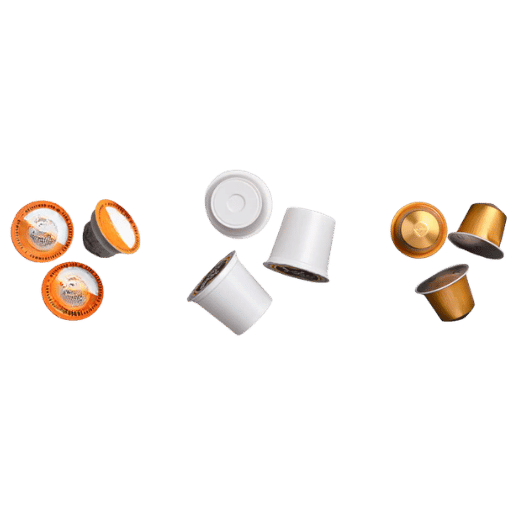
Las Cápsulas de café de matcha (también comercializadas como Cápsulas de café de té de matcha) son porciones medidas de té verde en polvo ultrafino que preparan una taza fresca de matcha en casa en una taza entera en máquinas de una sola porción, en lugar de batir a mano con una usucha (o batidor de koicha). (Qué *es* una Cápsula de café: sigue leyendo para qué hay dentro de las cápsulas de matcha y cómo se fabrican, o mire más de cerca para conocer el tamaño de las Cápsulas de café de Nespresso y cómo comparar el peso de la cápsula con el matcha que se puede recoger. Nota: ¡Las Cápsulas de café de elaboración de cerveza son diferentes de todos esos “suplementos” de cápsulas suplementarias en la farmacia!)
A continuación se muestra el resumen de información en pocas palabras de 30 segundos; El texto del artículo siguiente explica *cómo* estas variables contribuyen a llenar su taza de matcha única o su nueva línea de productos de matcha pod.
| Dimensión | K-Cup de matcha | Cápsula de café Nespresso Original Line |
|---|---|---|
| Llenar peso | ~3-5 g en total (a menudo matcha + edulcorante + crema) | ~2-2,5 g, generalmente matcha puro |
| Máquina | Keurig 1.0 y 2.0 | Línea Original Nespresso |
| ¿funciona en Vertuo? | N/A | No « los pods de terceros son solo de línea original |
| Tamaño de cerveza | ~6-10 oz (tamaño latte) | ~1.35-5 oz (espresso a pulmón) |
| Estilo típico | Matcha latte endulzado | Batido puro/ligeramente endulzado |
| Cafeína | ~38-70 mg | ~38-70 mg |
| Donde se vende | Comercio minorista convencional de EE. UU. (Walmart, Amazon) | Boutique / directo al consumidor, fuerte en Europa |
| Mejor para | Latte lechoso diario, sabor convencional | Sabor puro, muestreo premium |
Los pesos de llenado típicos de K-Cup y las especificaciones de preparación se aproximan a partir de datos del fabricante (algunos productos de matcha se excluyeron de la muestra y, por tanto, los resultados pueden diferir). Las especificaciones de llenado de cápsulas de matcha se aproximan a partir de datos del fabricante y, para Nespresso, de la guía original de Nespresso. Trátelas como valores nominales, no como precisión absoluta.
La diferencia principal: peso y dosis de relleno, la brecha en el espacio para la cabeza de las cápsulas
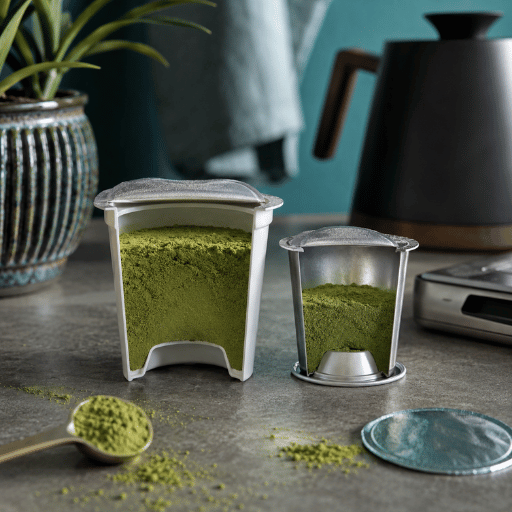
Todo lo demás se deriva de un hecho: una K-Cup tiene significativamente más espacio libre en la cápsula que una cápsula Nespresso Original Line. Una cápsula media de Original Line de matcha puro contiene alrededor de 2 a 2.5 gramos de matcha. (La receta para Matcha latte propio de Nespresso requiere aproximadamente una cucharadita, o 2 gramos, de polvo). La cavidad de una K-Cup tiene espacio suficiente para la proporción mucho mayor de ingredientes “a granel” en una mezcla de matcha latte, normalmente azúcar y, por supuesto, crema como en muchas K-Cup sin lácteos.
Tener extra espacio libre Así es como fluye todo junto, afectando no sólo la capacidad sino también la potencia. Si bien las K-Cups contienen ingredientes de café con leche, el gran tamaño de su cavidad respalda esos ingredientes específicos del café con leche junto con su polvo de matcha. Tienes ese espacio para llevar todos esos componentes de café con leche a la atracción con una dosis saludable de verduras en polvo, ya que muchos productos de K-Cup matcha contienen matcha y azúcar (y crema no láctea), entre otros complementos. El matcha puro de 2 g proporciona un toque activo pero no intenso de los beneficios para la salud de Matcha: los niveles de teanina y cafeína, por ejemplo, están relacionados con un efecto energizante pero no nervioso; Salud Matcha – EGCg constituye ~59 por ciento de sus catequinas sanas, proporcionando una porción decente de antioxidantes por gramo. Pero recuerde: agregar más otras cosas a su bebida no la convierte automáticamente en una opción más saludable o potente a menos que las “otras cosas” también sean beneficiosas, ya que más bebida no siempre es más saludable...especialmente cuando gran parte de lo que agrega no es bueno para usted, agregar una taza de azúcar pura a una bebida no la hace más saludable, sea cual sea el motivo.
Como el polvo de matcha es un tipo de partícula ultrafina “de alrededor de 5 a 10 micrómetros (μm) de diámetro ”, se adhiere y se adhiere a las paredes del recipiente. Para llenar adecuadamente una cápsula de la línea original, la dosis exacta (2-2,5 g) debe llenarse con un alto grado de precisión con cada inyección (hasta aproximadamente ±0,1 g de tolerancia, no “por cucharada”) «la precisión a Máquina llenadora de cápsulas Nespresso está diseñada para ello. Sin embargo, las limitaciones de espacio de una cápsula Original Line garantizan que esta medida pequeña y pura no pueda aumentarse (y, por tanto, mantienen las cápsulas centradas únicamente en matcha). Una K-Cup, al ser una cápsula mucho mayor, tolera fácilmente ingredientes voluminosos de mezcla para latte.
Compatibilidad de máquinas: línea original, Vertuo y Keurig, la regla de línea única original
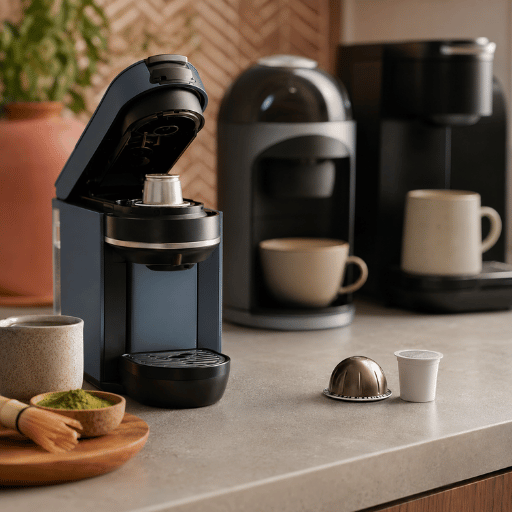
Este es el dato de compatibilidad más importante sobre este producto y el que más arruinan los clientes: K-Cup vs. Nespresso Original Line La regla original de solo línea: Las cápsulas matcha de terceros funcionan sólo con máquinas Nespresso que están en la línea original (pero no con Vertuo). Las máquinas Vertuo preparan las vainas mediante giro, en lugar de presión, y necesitan un código de barras leído por máquina para ir a algo que su módulo Matcha genérico no puede proporcionar. Para K-Cups, sepa que los pods funcionan sólo con máquinas Keurig 1.0 o 2.0.
| Máquina | ¿mápod matcha de terceros? | Nota |
|---|---|---|
| Keurig 1.0 (Clásico) | Sí | Cualquier cápsula matcha estándar de la K-Cup |
| Keurig 2.0 | Sí | Las K-Cups con licencia llevan la tapa legible |
| Keurig Mini / K-Slim | Sí | Formato estándar de K-Cup |
| Línea Original Nespresso | Sí | El formato para el que están diseñados los matcha pods de terceros |
| Nespresso Vertuo | No | Código de barras + centrifugación; cerrado a terceros |
| Nespresso Vertuo Siguiente | No | Mismo sistema Vertuo |
| Nespresso Vertuo Pop | No | Mismo sistema Vertuo |
| Dolce Gusto | Sólo cápsulas Dolce Gusto | Forma de cápsula completamente diferente |
| Pod recargable/reutilizable | Sí (Bricolaje) | Llénalo con matcha suelto para OL o Keurig |
Un marco a tener en cuenta: todo el sistema de cápsulas “bloqueadas” que Nespresso utiliza con sus máquinas Vertuo (aunque menos con Original Line, ya que los fabricantes externos encontraron un vacío legal a través de su bomba y perforación mucho más simples) no es exclusivo de Nespresso. Las primeras versiones de Keurig 2.0 empleaban bloqueos DRM para evitar que entraran pods no oficiales, contra lo que luego los consumidores rechazaron. Las máquinas de la línea original están abiertas en su mayor parte, al igual que todas las máquinas Keurig actualmente en el mercado, las de Vertuo no. Error común: pedir cápsulas de la línea original para un Vertuo. Simplemente no encajarán en su lugar y no prepararán cerveza.
Sabor y consistencia: por qué Pod Matcha difiere según el formato
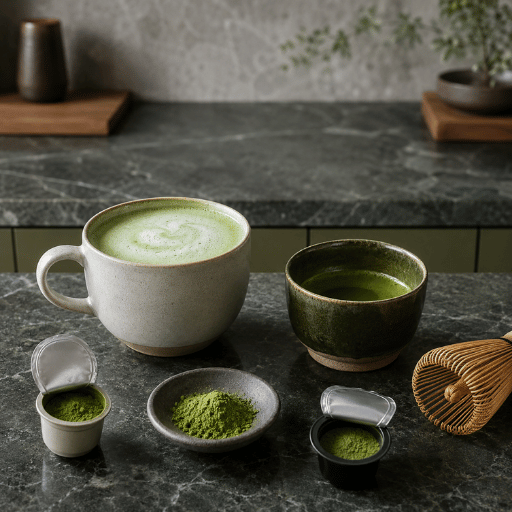
Matcha es más sensible al calor que el café; Tanto el formato K-Cup como el Nespresso Original Line tienen formas muy diferentes de calentar y extraer el polvo en agua. Una cápsula K-Cup expulsa una mayor cantidad de agua más caliente a través de la cápsula, aproximadamente 190°F (88°C). Los conocedores del té verde en Reddit, como r/tea, señalan regularmente que cualquier valor superior a 175°F (80°C) se vuelve amargo; El mejor rango para matcha pura es aproximadamente 160-175°F (71-80°C). Nespresso Original Line bombea una porción más pequeña de agua más caliente y a presión, lo que resulta en un trago espumoso y muy concentrado y limita la quema de la hoja.
¿por qué mi Cápsula de café de matcha tiene un sabor amargo o plano?
Por lo general, es el agua y la dosis, no el polvo de Matcha, una K-Cup prepara té amargo mediante agua caliente que lanza la delicada hoja finamente molida a temperaturas casi hirviendo. Si el agua sale diluida, el problema es regar demasiado el polvo, a menudo una posibilidad con una preparación de K-Cup más grande, no una Cápsula de café de Matcha mal hecha.
Sus dos opciones con una K-Cup son esta, preparar un trago más pequeño y agregar leche fría rápidamente para ayudar a reducir la temperatura del agua de su preparación, O con una línea original, su extracción más corta naturalmente se diluirá menos, por lo tanto, agregará un trago más largo y algo de leche puede reducir el amargor que pueda saborear. Los resultados fueron realmente “improvisados según la máquina”
La calidad del polvo de Matcha es el verdadero factor decisivo. Si el polvo de Matcha japonés dentro de una cápsula está rancio, el Matcha no sabrá tan potente el sabor y el color están determinados por sus niveles de clorofila y catequina, y el Matcha puede volverse de color pardusco a pesar de no haber sufrido oxidación a través de una máquina como Nespresso o Keurig.
Latte vs Straight Shot: qué formato para qué bebida, la línea Latte-or-Shot
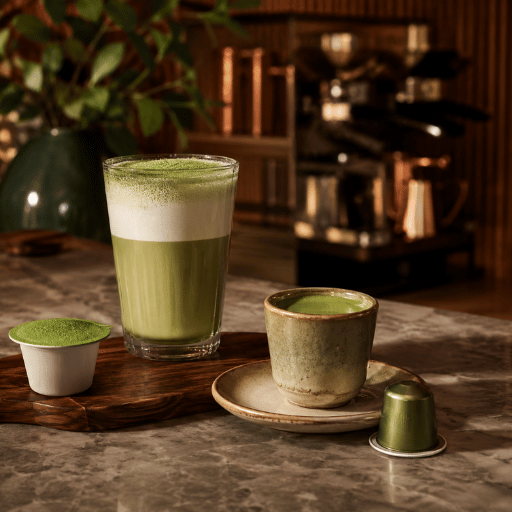
Si aprendes algo de esta guía, memoriza esta regla general: K-Cup vs. Original Line Latte-or-Shot Line: ¿Quieres una bebida más grande y endulzada? ¿Es K-Cup para ti? ¿Quieres una toma ceremonial pura y de alta calidad o la flexibilidad de probar muchos sabores diferentes? Quédate con Original Line Nespresso. No es casualidad; la forma más popular en que la gente consume matcha, con diferencia (más de 100.000 búsquedas de “matcha latte” al mes) «las mezclas de té matcha latte y las cápsulas de latte dominan el estante de la K-Cup, también es donde la K-Cup tiene espacio para ese trozo extra de leche en polvo y azúcar eso convierte una cápsula en un café con leche.
- Dosis mayor con espacio para leche en polvo + edulcorante
- Convencional en los EE. UU.; enorme base de instalación de Keurig
- Latte de un botón, no se necesita habilidad para espumar
- ⚠ A menudo preazulminado; La cerveza más caliente puede quemar
- Dosis pequeña, mayoritariamente pura, de estilo ceremonial
- Concentrado, espumoso; Marcas fáciles de probar
- Fuerte selección de boutique/DTC, grande en Europa
- ⚠ Vertido diminuto, no del tamaño de un café con leche; generalmente más caro por gramo
Alternativamente, la K-Cup es un “matcha latte creado para ti”. Pero puedes hacer lo mismo con el material puro: una Cápsula de café de Original Line simplemente vertida sobre leche fresca o incluso calentada es como los baristas preparan lattes, menos los componentes dulces y cremosos horneados.
Costo, tamaño del paquete y dónde comprar
Todas las cifras aquí son fluidas debido a los cambios del mercado, pero proporcionan una base precisa para 2026. Las cápsulas Original Line de los proveedores orgánicos de matcha de primer nivel oscilarán entre $1.50 y $2.50 por dosis, disponibles normalmente en paquetes de 10, 20 y 40-ct, y se compran directamente a pequeñas empresas en los EE. UU., aunque muchos fabricantes tienen orígenes europeos. Las K-Cups (especialmente las lattes aromatizadas) están diseñadas para el comercio minorista masivo estadounidense, y se encuentran comúnmente en cajas de 24-ct de gigantes como Walmart y Amazon, lo que produce un “precio general por dosis” más bajo, pero esto se compensa con sus perfiles de sabor más diluidos y menos suaves (menos matcha, más leche y azúcar). Profundizamos en cómo la construcción interna de K-Cup hace que “por dosis” sea barato (y adónde va todo ese dinero) este análisis de nuestro costo realista de una K-Cup.
¿qué formato deberías elegir? El selector de formato de 10 objetivos
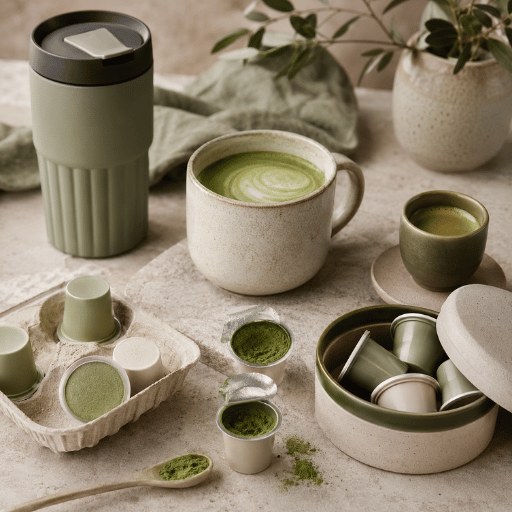
Para obtener ayuda, revise Match your Goal to a Format Selector a continuación y vea dónde recomendamos que se alinee su situación en la columna del extremo izquierdo (y en la nuestra) guía completa de Matcha Pod cubre lo básico). Cada fila combina un objetivo común del comprador con el formato que mejor se adapta y un motivo de una línea, para que pueda igualar su situación en segundos.
| Tu objetivo | Elegir | Por qué |
|---|---|---|
| Matcha latte lechoso diario | K-Cup | Leche en polvo incorporada + edulcorante, vertido más grande |
| Ritual puro de estilo ceremonial | Nespresso OL | Tirón concentrado de dosis pequeña, mayoritariamente pura |
| Matcha de verano helado | Cualquiera | Breve en breve, vierta sobre hielo + leche |
| Office/gusto convencional de EE. UU | K-Cup | Mayor disponibilidad minorista, dulzura familiar |
| Selección premium/europea | Nespresso OL | La gama boutique/DTC más profunda |
| Costo más bajo por cápsula | K-Cup | Precio general más barato (en parte edulcorante) |
| Matcha más real por gramo | Nespresso OL (puro) | Menos relleno diluyendo la matcha |
| Eres dueño de un Keurig | K-Cup | Formato nativo, sin máquina nueva |
| Tienes una línea original de Nespresso | Nespresso OL pod | Formato nativo, abundantes pods de terceros |
| Tienes un Nespresso Vertuo | Ninguno de los dos (use matcha suelto) | Vertuo está cerrado a pods de terceros |
Para marcas: producción de Matcha Pods en cada formato, el mapa de 9 filas de formato a línea de llenado
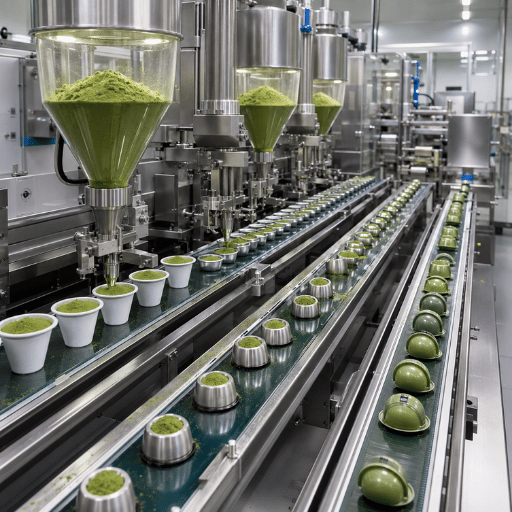
Aquí hay un ejemplo del mapeador de formato a línea de llenado. Para una marca de bebidas que busca el mejor diseño de producto K-Cup o Original Line matcha, el formato es equivalente a la producción. Eche un vistazo al formato frente al peso de llenado típico de cada tipo de máquina.
| Formato | Relleno típico | Máquina de ejemplo | Velocidad de inicio |
|---|---|---|---|
| K-Cup (pura) | ~3-4 g matcha | Línea de llenado/sellado de K-Cup | 45-50 vainas/min por carril |
| K-Cup (mezcla de café con leche) | ~5-12 g (matcha + leche en polvo + azúcar) | Línea K-Cup con dosificación de polvos múltiples | 40-600 cápsulas/min (1-12 carriles) |
| Nespresso OL (puro) | ~2-2,5 g matcha | Relleno de cápsulas Nespresso | ~70 vainas/min |
| Dolce Gusto | ~6-12 g (base en latte) | Relleno Dolce Gusto | 100-400 vainas/min |
| Multiformato (ejecución de prueba) | 2-12 g, dependiente del formato | Máquina multiformato RN1S | Lote pequeño, cambio en minutos |
| Entrada de servicio único | 2-5 g | Relleno monodosis YM40 | ~40 vainas/min |
| Línea de gran volumen | Cualquier formato | Línea completa de llenado-sellado-cartoning | 100-600 vainas/min |
| Se necesita precisión en el llenado | ±0,1 g para dosis puras bajas | Dosificación de pesaje/servidor | Crítico por debajo de ~3 g |
| Paso de frescura | Control de O2 residual | Enjuague con nitrógeno antes del sellado | Protege la clorofila/L-teanina |
Dadas las realidades de producción de ambos formatos, la K-Cup tiene más sentido a la hora de producir café con leche con contenido de leche y azúcar, ya que su cavidad es mucho más grande que las cápsulas Original Line y está bien equipada para polvo soluble; nuestro Máquinas llenadoras y selladoras de K-Cup ya maneja el tipo lechoso.
“El matcha es más difícil de llenar que el café por una sencilla razón: una cápsula de café perdona 5-6 gramos, pero un trago de matcha de 2 gramos no tiene margen. El polvo es tan fino que flota y hace puentes, por lo que se dosifica por peso, se controla la estática y el polvo, y se lava con nitrógeno antes de sellarlo; de lo contrario, el color y la L-teanina se desvanecen antes de que el cliente lo prepare.”
Para probar el agua, una máquina multiformato como RN1S que llena los formatos K-cup y Nespresso en un solo cuadro -ñona le permite probar las aguas con dos formatos antes de que una línea completa -ñana y un relleno de servicio único YM40 minimicen los MOQ iniciales. Cuando llega el volumen, la producción de ese producto se gradúa a un nivel completo línea cápsula de café. Las máquinas AFPAK se suministran con una garantía de 2 años y, con tiempos de construcción de normalmente 30 a 50 días, uno de nuestros ingenieros puede realizar la instalación in situ y el soporte de puesta en servicio en un plazo de 48 horas.
Hacia dónde se dirigen los Matcha Pods (perspectivas de 2026)
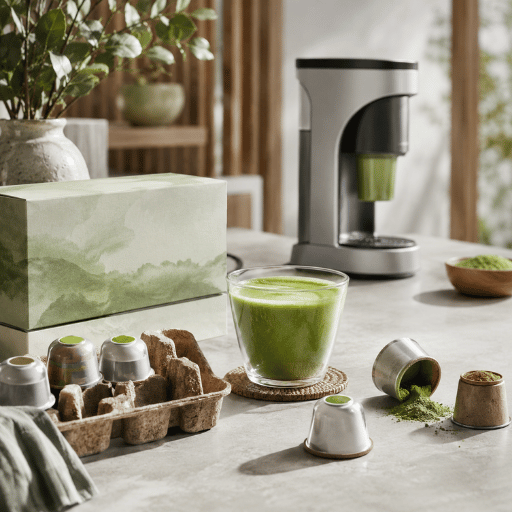
Lo que determina el gran cambio hacia 2026 no es el tamaño del mercado sino más bien la oferta. El auge de la popularidad del matcha en TikTok chocó con las estrictas condiciones de cosecha japonesas, y hasta finales de 2025 vimos a finales de 2025 surgirá una auténtica escasez de matcha.
Japón informó que las exportaciones de té verde aumentaron un volumen de aproximadamente 42% y aproximadamente duplicó el valor a partir de 2025 en comparación con el año anterior: la demanda de tencha (hoja cultivada en sombra) fue tan fuerte que ya no pudo satisfacer la demanda; y la sombra de la hoja cultivada es de lo que depende la matcha. Esa escasez ahora puede hacer subir los precios a medida que los consumidores optan por la línea original, matcha más pura, en lugar de las alternativas dulces de estilo café con leche porque, en tiempos de escasez, la gente realmente busca la matcha ceremonial pura que puedan sorber y saborear.
Al considerar cómo se formatea un producto matcha, tiene sentido que ambos sigan; En primer lugar, la naturaleza altamente estacional del mercado. Como muestran las investigaciones, las búsquedas de productos de cápsulas de matcha son generalmente 3 veces mayores para los fabricados en julio en comparación con noviembre y la demanda generalmente comenzará a alcanzar su punto máximo desde abril y mayo hasta agosto (lo que garantiza que su inventario de cápsulas deberá construirse previamente, con mucha antelación). Más allá de eso, con una oferta escasa, el formato que necesita menos matcha por taza y, por lo tanto, produce el mayor rendimiento frente al aumento de los precios de las hojas probablemente sería el matcha original y puro, que también produce entre 2 y 2,5 g por cápsula. Sin embargo, recuerde que, si bien estos pronósticos indican que ambos formatos superarán en ventas a las cápsulas de café para 2026, ambos deben considerarse como un pronóstico secundario y, si bien algunos pueden ver niveles de crecimiento más altos de lo que sugieren estos titulares, los verdaderos impulsores de las ventas vendrán en forma de suministrar matcha para la venta.
Preguntas frecuentes
¿son mejores las K-Cups o las cápsulas Nespresso para el matcha?
Ver respuesta
¿puedes usar cápsulas de matcha en un Nespresso Vertuo?
Ver respuesta
¿cuánto matcha hay en un grupo, K-Cup vs Nespresso?
Ver respuesta
¿las vainas de matcha saben tan bien como la matcha batida?
Ver respuesta
¿puedo hacer o etiquetar de forma privada mis propias cápsulas de matcha?
Ver respuesta
¿las vainas de matcha son matcha real o una mezcla de café con leche endulzado?
Ver respuesta
¿las vainas de matcha son reciclables o compostables?
Ver respuesta
¡tengo mis detalles de K-Cup y cápsulas Nespresso! Danos detalles sobre tu volumen de producción preferido, la dosis especificada por dosis y tu producción prevista por run-K-Cup, Nespresso Original Line o máquinas duales son opciones que podemos adaptar a tu dosis de 2 g y 5-10 μm. Requisitos de matcha ultrafinos. Cuéntanos tu formato, dosis y salida, y encontraremos una máquina llenadora y selladora para tus cápsulas de matcha.
Por qué escribimos esto
AFPAK construye las máquinas llenadoras y selladoras que colocan matcha en las cápsulas K-Cup y Nespresso, por lo que vemos la pregunta de formato desde el piso de producción, donde la dosis de 2 gramos, el polvo de 5-10 µm y la descarga de nitrógeno son ingeniería diaria. problemas, no copia de marketing. Esta comparación refleja esa ventaja. Revisado por el equipo técnico de AFPAK.
Referencias y fuentes
- Beneficios para la salud y composición química del té verde MatchaPMC / Biblioteca Nacional de Medicina
- Función reductora del estrés del té verde MatchaPMC / Biblioteca Nacional de Medicina
- Estudio de intervención Matcha (EGCG / contenido de catequinas)ScienceDirect, Revista de alimentos funcionales
- Cápsula y sistema para preparar una bebida mediante centrifugaciónUSPTO / Patentes de Google
- Cápsula monodosis para bebida en polvoUSPTO / Patentes de Google
- Se avecina una escasez de matcha para la última obsesión de las redes socialesBuceo en la cadena de suministro
- Por qué las cápsulas de terceros solo funcionan en Nespresso Original LineChowhound