
間違ったKカップシーリングマシンは、$50,000 エラーほとんどの焙煎機は一度だけコミットしますそれははるかに少ない頻度でマシン自体です! 粗末な機器から生じるシールの失敗はほとんどありません-それらの約70%は、不適切に校正された$12,000 によって引き起こされ、安価な$12,000 ではありません。.
莠ャ驛ス杯シール機 ――クイックリファレンス
| パラメータ | 典型的な範囲 |
|---|---|
| 生産速度 | 15 ~ 600 CPM (1 分あたりのカップ数、モデル依存) |
| 満ちる正確さ | ±0.1 g (サーボオーガー) ~ ±0.3 g (体積) |
| シーリング温度 | 160 ~ 200° C (アルミ ホイル); 120 ~ 145° C (堆肥化可能なPLA) |
| 残留酸素 (N2 フラッシュ) | <1% |
| 切り替え時間 | 15~30分(カップサイズ/ホイルタイプ) |
| ホイルの互換性 | アルミニウム / PEコーティングフィルム / 堆肥化可能なPLA |
| 電源 | 110V / 220V (50 または60 のHz) |
K カップシール機とは何ですか?またその仕組みは何ですか?
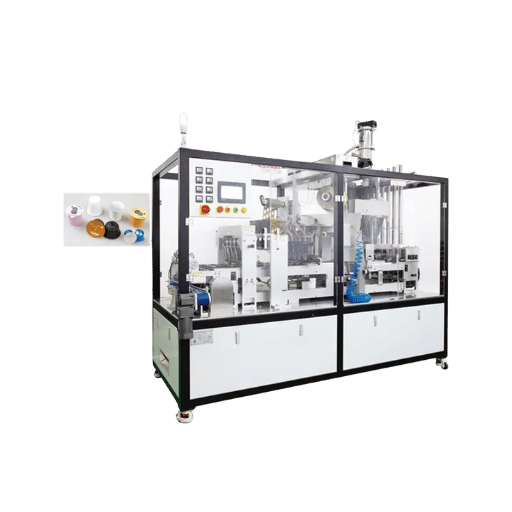
K カップ シーリング機械は香りを保ち、酸素の接触を防ぐために密封を保証するローラー熱および圧力を使用して満たされた K カップのための型抜きされたホイルのふたを置き、密封する半/自動機械、自動機械のために、満ちる及び密封は連続的な操作で実行されます-機械は自動的にカップ、線量のコーヒーを置き、窒素をカップを通して洗い流し、及びカップのタブにホイルを接合します。.
コアプロセスには次の4 つの段階があります:
- カップ装填。 空のKカップ = メッシュフィルターが既に取り付けられている = インデックス付き金型ステーションにドロップされます。 手動および半自動機械では、オペレーターは一度に1つずつカップを装填する必要があります。ロータリーおよびインライン自動機械には、金型プレートに連続的に供給するカップドロップホイールを備えたオーバーヘッドホッパーが付いています。.
- コーヒー充填. Servodrivenオーガーフィラーは、挽いたコーヒーの制御された投与量を提供します (通常、カップあたり9-12 g)。より高仕様の機械には、コーヒーベッドを軽く圧縮するタンピングステーションが含まれており、ヘッドスペースを削減し、リムでのホイルの接触を改善します。インライン計量-シール前に拒否されたカップが転用される-は、一部のモデルに組み込まれています。.
- 窒素のフラッシング 装備された機械では、不活性窒素は密封の直前にカップヘッドスペースから酸素を押し出します 残留酸素ターゲットを指定し、合意された生産条件下で検証します 保存期間はコーヒー、パッケージの障壁、シールの完全性および保管条件に依存し、完成品のために窒素フラッシングが含まれているかオプションであるかを見積もりで確認します; 価格だけでは構成を確立しません。.
- ヒート シーリング。 、熱されるダイはカップの縁に対して160-200 C斜めの端でホイルのふたを前もって切りました、合計0.8-1.0 秒のdwell timeを熱することはふたの結合の層を始めます; 圧力はcup.Theにふたの最適の完全な端の接触のために1.7 bar-7.4 barに維持されます適切に置かれたときシールは3meter低下テストおよび12 か月の周囲貯蔵に耐えます。.
けい工学ノート 滞留時間対温度
175 C では、わずか 0.6 秒間滞留すると、限界シールが得られます。 1.0 秒間保持された同じ滞留により、カップ リムの引張強度よりも強いシールが得られます。シールの校正を実行する場合、弱いシールが見つかった場合は、接触時間前に滞留時間を増やしてください。 ia eligion の PLC コントローラーの大部分は 0.1 秒の解像度を持っています。.
温度が主な仕様であり、滞留時間が実際にシールが作成される場所です。.
フルカプセル生産ライン ―― カップの取り扱い、投与、および下流のパッケージング ―― を完全にご覧ください 完全なコーヒー カプセルの充填機のガイド.
K カップ充填機とシール機の違いは何ですか?
体積測定コーヒーフィラーは、事前に計量された豆を測定し、空のカップに堆積します。シーラーはホイルトップを融合します。商業運転では、それらは 1 つの同じ機械です。したがって、メーカーが使用する交換可能な用語です。パッケージ化されたカップシーラーは、まさにそれです。1 つの機能、ホイル接着です。充填されていないカップを供給する必要があります。K カップ充填およびシール機械のベンダー価格を見ると、包括的な形成装置は 1 つの統合機械として説明されています。.
K カップシーリングマシンの種類: 手動、半自動、全自動
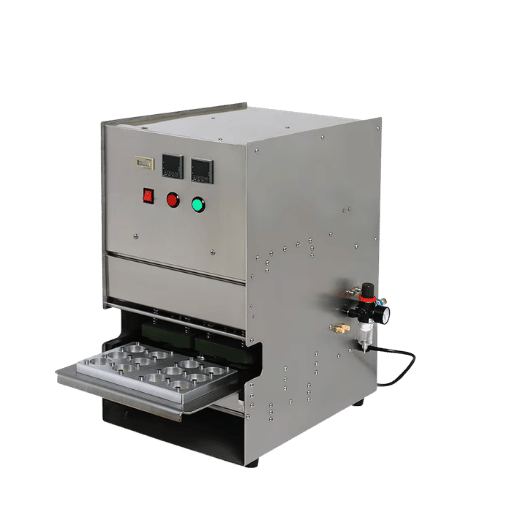
機械選択の決定要因は、生産能力 ⁄ 1 日あたりのカップです。使用しない容量に過大支出したり、100% を長時間にわたって実行して早期に機械故障を引き起こしたりすることは、どちらもコストのかかる間違いである可能性があります。.
| タイプ | 出力 | 価格帯 | ベスト フォー |
|---|---|---|---|
| 手動カップシーラー | 30 ~ 60 カップ/時間 | $200 ~ $2,000 | カフェスケールのサンプリング、ギフト、製品テスト |
| 半自動卓上 | 500 ~ 2,000 カップ/日 | $5,000 ~$15,000 | マイクロロースター、DTC サブスクリプションスタートアップ |
| 自動ロータリー (エントリー~ミッド) | 40~120 CPM | $15,000~$100,000 | 小型から中型の焙煎機、プライベート ラベルの製造 |
| 高速ロータリー/インライン | 200 ~ 600 CPM | $100,000~$500,000+ | 産業コパッカー、ナショナルブランド |
ハイエンドのロータリー形式とインライン形式 最大規模の生産工程の場合、ロータリー機械は12 個の金型ステーションを備えた円形のインデックスプレートを持っています ー小さく、機械的に安定しており、シングルSKU出力に最適です フォーマットを切り替えるには、対応する12 個の金型プレートが交換され、15-25 分かかる作業です インライン (または「リニア」) 機械には、直線的に動作するコンベアがあり、フォーマットごとに44 個以上の金型プレートがあります ーフレーバー注入、二次計量、またはマルチステップシーリングパターンのための追加のステーションを備えた、より重くて長い機械本体を必要とするロースターの場合、一貫したボリュームで1 つまたは2 つのKカップSKUを満たすロースターの場合、ロータリーは一般的に維持が少なくて済みます; 毎日異なるポッドフォーマット間をジャンプするコパッカーの場合、インラインは余分な切り替え作業に値する利点を持つことができます。.
K カップ充填およびシール機械のページで仕様を比較してください。そこでは、出力範囲にわたる回転モデルとインライン モデルが詳しく説明されています。.
瀹 実世界の例
サードパーティの共同梱包と社内の充填およびシーリングラインを比較する焙煎業者は、確認された機器と運用コスト、毎月の販売可能な生産量、共同梱包料金、および予想されるマージンを使用して回収を計算する必要があります。一般的な回収期間では、特定のビジネスの収益を確立することはできません。窒素フラッシングと賞味期限の請求には完成品の検証が必要であり、小売販売期間を保証すると想定すべきではありません。.
高品質の K カップ シーラーを低価格マシンから分離する 5 つの主要な機能
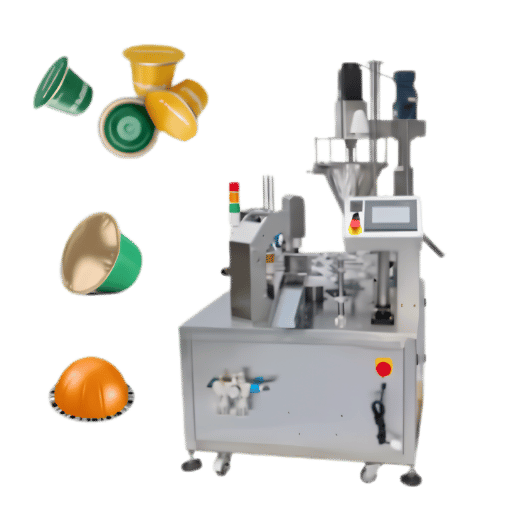
窒素フラッシングは標準装備として付属する場合もあれば、オプションのアドオンとして提供される場合もあります。フラッシングノズルだけでは、密封されたカップ内の残留酸素レベルは確立されません。 「注文書」を発行する前に、必ずこれらの 5 つの数値を書面で確認してください:
- サーボ駆動オーガーフィラー 充填精度 ±0.1 g
体積式カップの投与量 (はるかに洗練されていない機械) は、0.3-0.5 グラム以内の精度を持ち、粉砕粒径が変化するとドリフトします サーボ駆動のオーガーは、コーヒー粒子のサイズに関係なく、0.1 グラム以内に収まります 注意: 油分が多い濃いローストでは、投与の一貫性は、機械のオペレーターがユニットの「速度」を最大値から半分にする限り、それほど信頼性が高く、最大定格ではなく 30-35 CPM で動作して最もよく提供されます。. - 文書化された残留O2 <1%による窒素フラッシング
ベンダーに実際の残留酸素試験結果を求める ⁄ spec sheet claimではない。 <1% O2 (検証済み) と “nitrogen flush system included” のギャップは、保存期間に直接変換されます: 14 ヶ月対5 ヶ月 実用的に窒素フラッシングがカプセル化学にどのように影響するかをより深く見るために、に関するガイドを参照してください コーヒーカプセルの保存期間を延長します. - 調整可能な温度 + 圧力 ⁄ 160 ~ 200° C および 0.3 ~ 0.8 MPa の範囲
固定温度メイキングでは、1 つの箔タイプだけを強制的に使用します。 175°Cでアルミ箔を実行し、ハードウェアを変更せずに130°Cで堆肥化可能なPLAに切り替えるための調整可能なプロファイルアップを備えた多くのシステム。 2026 年初頭の時点で堆肥化可能製品が市場の 11 ~ 15% を占めており、増加中 - この柔軟性はますます生産要件となり、プレミアム機能ではなくなりました。. - 切り替え時間 ΜL30 分(カップサイズ/ホイルタイプ)
回転式機械のためにコップのフォーマットの転換は12 の型の版を取替えることです ー 経験豊富なオペレーターと15-25minで行うことができます 線形機械で同じプロセスは44+版を含み、しばしば30-60minsを取ります 切り替え時間は有効な毎日の容量に直接リンクされています, 複数のSKUを実行するとき。.マーケティング メッセージの見出し切り替え時間だけでなく、購入する前に必ず実際のプレート数を確認してください。.
- 自動拒絶のPLC制御+タッチスクリーンHMI
低コストの機械には、単純な機械タイマー、個々のパラメータの調整、機械製造レシピの手動入力が含まれます。認定された工業用 K カップ シーリング マシンには、製造レシピ、故障タイプごとの不合格品の数、実際の充填重量が許容値を超えた場合の不合格品のインライン計量に抗議する PLC コントローラーが装備されています。タッチ スクリーン HMI インターフェイスは、人間のトレーニングを軽減するだけでなく、複数の不均一なレシピを製造するために使用される汎用グレードの機器に共通する文書化されていない機械の変更を回避します。.すべての食品接触コンポーネント ―― オーガーフィラー、カップ金型、シールダイ ―― は食品グレードのステンレス鋼である必要があります。工場での受け入れ前に、これが機械の適合証明書に文書化されていることを確認してください。.
70%ルールを意味します
フィールドサービスの応答から、約70%のKカップシールの故障は、誤った温度校正が原因で、機械的故障ではなく、箔の品質ではなく、カップ寸法上の公差が原因です。ここでのメッセージ: 適切に校正された$12,000 機械は、誤った熱プロファイルで故障した$40,000 を最もよく見ることができます。 Feature 5 ~ インライン拒絶反応を伴うPLC ⇒キャリブレーションのアプセットがリコールになるのを防ぐためにあります。.
瀹プロのヒント: 脱気ウィンドウ
焙煎後24-72 時間の新鮮な焙煎コーヒーオフガスCO 焙煎後Kカップ充填時間には、十分なガス圧を発達させることができ、粉砕をカップの縁に押し込み、箔がそれ以上になる前にシールゾーンの汚染につながる 脱気24-48 時間未満でバッチを実行しないでください ー これは、新しい機械のオペレーターが部品の問題で間違える最も一般的な故障点のほぼ1 つですが、実際にはバッチの非互換性です。.
K カップシール機に期待する充填精度はどれくらいですか?
安定した動作条件のためのカップごとのサーボ オーガーの注入口で0.1 g.On容積測定のコップの投薬で0.3-0.5 g、粉砕の粒子サイズがするように漂流は増加します。 10 gの満ちるのための小売りのKコップのために、それは0.5%の誤差対5%の誤差です iau 100,000+のコップ/月で非常に大きい。.
機械の納品を受け入れる前に、500カップの稼働を通じて充填重量を示す工場出荷時受け入れテスト(FAT)レポートを要求してください。.
ホイル蓋の互換性: アルミニウム、PE フィルム、堆肥化可能なオプション
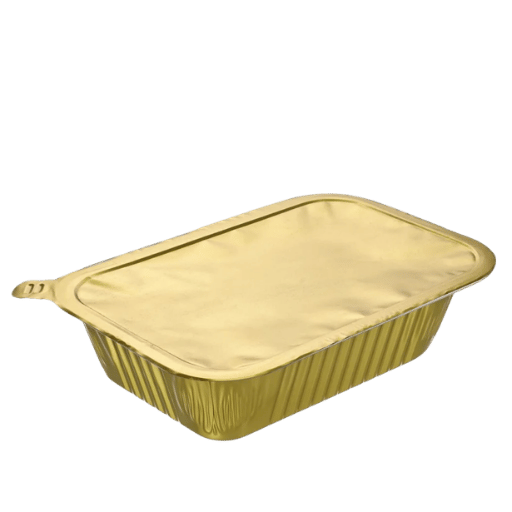
アルミニウム ホイルは1 つの理由のためのKコップの密封のための企業標準まだです: 酸素伝達率はゼロに近く、窒素によって洗い流されるアルミニウム密封されるKコップが12-18 か月の保存性を確実に保持する理由はアルミニウムですもはやふたの材料の唯一の選択、しかし、ほとんどの機械バイヤーが気づくより速く狭まるギャップです。.
| ふたタイプ | シール Temp | シェルフライフ | 持続性 | キーノート |
|---|---|---|---|---|
| アルミニウム ホイル | 160~180°C | 12~18ヶ月 | リサイクル可能(別途) | 業界標準;最高の酸素バリア |
| PEコート紙 | 140~160°C | 6~9ヶ月 | 部分的 | 酸素の障壁を下げて下さい; より短い貯蔵寿命 |
| Compostable PLA | 120~145°C | 3~6ヶ月 | BPI認証(ASTM D6400) | より低い臨時雇用者の範囲を要求します; 機械は支える必要があります |
すべての機械製造業者はこれを前もって言う。 first: 商業compostable PLAのふたはアルミニウムより密封する30-40Cより少ない熱(より低い動作温度)を取る。 plaのふたは180Cのホット プレートのためにあなたのホイルの収入のシーリング プロファイルがセットされれば、燃えますかまたは結合は開発しません-plaのふたのパレットの量にcompostableふたの在庫を託す前にtempの範囲が145Cの下で動くことを確かめます。 second: “compostable” はパス/失敗の毛布の証明ではないです。 compostable商業処理でBPI (ASTM D6400)標準的な堆肥は90 日に58Cのtempを平均します。 home processableは熱または時間の同じレベルではないです、新しいプロダクト ラベルで持続可能な包装を宣伝する前にあなたの標準を検証します。.
K-cup、ネスプレッソ、ドルチェ グストのポッド形式とそれぞれのパッケージ要件の比較については、こちらをご覧ください カプセルフォーマット比較ガイド.
瀹 実世界の例
コパッカーは、蓋が脆くなり解凍を開始する前に、170°Cのアルミニウムシールプロファイルで堆肥化可能なPLA蓋の全負荷に移行しました。トラブルシューティングプロセス中に、シール温度を130°Cに下げ、圧力を0.15MPaまで押し戻すことで改修が修正されました。箔ベンダーが熱校正データを検証した後、部品の取得は必要なく、機械データログ/PLC で 15 分間。.
K カップシーリングマシンの価格: あらゆる生産規模で何を予算化するか
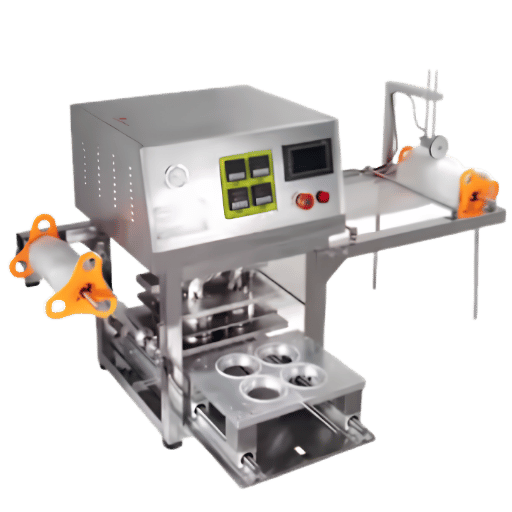
K カップ シーリング マシンの価格は、生産スループットと強く相関しています。最終的には、この層は、ブランド名だけでなく、生産ライン全体における機器の相対的な配置、メカニズムの洗練さ、製品の総寿命も反映することができます。.
| 予算 | 機械の種類 | 出力 | ベスト フォー |
|---|---|---|---|
| $200 ~ $2,000 | 手動カップシーラー | 30 ~ 60 カップ/時間 | サンプリング、ギフト、カフェスケールの生産 |
| $5,000 ~$15,000 | 半自動卓上 | 500 ~ 2,000 カップ/日 | マイクロロースター、DTC サブスクリプションスタートアップ |
| $15,000~$100,000 | 自動 ロータリー | 40~120 CPM | 小型~中型焙煎機、プライベートラベル |
| $100,000~$500,000+ | 産業ロータリー/インライン | 200 ~ 600 CPM | 産業コパッカー、ナショナルブランド |
コストは定義要因ではありません。いくつかのブランド名機器層のそれぞれにおける 5 年間の総所有コストは、次のように分類できます。機械の初期購入 (合計 5 年間の 30-45%)、ポッドあたり $0.015-0.08 の箔材料に予想される年間稼働量を乗じたもの、標準機械での $500 ~ $2,000/年のメンテナンス、平均 1.5 ~ 4.5kW の電力、およびオペレーターが機器の監視に費やす時間。最終的には、機械は最小の費用になる可能性があります。.
K カップへの投資を具体的に評価する小規模焙煎業者については、ガイドを参照してください 小規模ブランド向けの K カップ包装戦略. 。 現在のAFPAKモデルの仕様と構成については、を参照してください AFPAK Kカップマシンモデル.
錫のヒント: 総所有コスト
5 年間にわたるTCO見積もりをどの見込みベンダーにも依頼する これには、フォイルソースのサプライチェーンにおけるキットのコスト、工場からのスペアパーツ、ローカルサービスのカバレッジを含める必要があります スペアパーツの6-9 か月のリードタイムは、OEE損失のコストによって実際に発生したメンテナンスコストを増加させる可能性があります 機器の2 つの選択の間の1 回の時間の節約は、全体的な支出を見ると通常実現できません。.
K カップ シーリング マシンの問題: 3 つの一般的なシールの故障とその修正方法
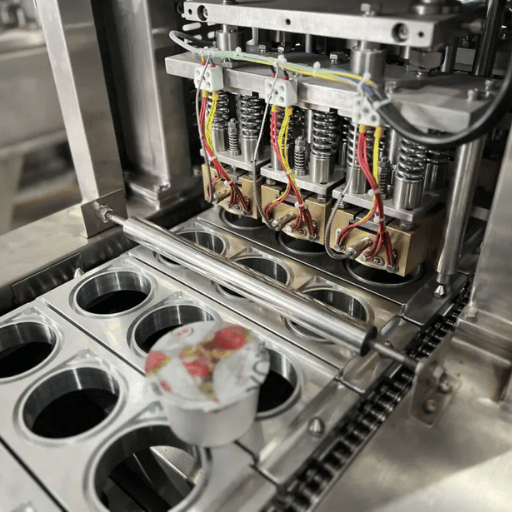
Kカップシールの故障のほとんどは、機械がオフラインになってから1 時間未満で解決されます 故障がその時間枠を超えて続く場合、原因はほとんどの場合誤診されます 実際に発生している材料または校正の問題について機械コンポーネントを1 つずつ交換し、温度から始めて作業を下げます。.
K カップ シーリング マシンに隙間が残ったり、漏れが発生したりするのはなぜですか?
3 つの主要なシールの失敗の理由: ホイルの結合窓の下に熱を設定すること、静的な結合の穀物または地面の種類、油または病気のコーヒー粒子が縁を汚染する機械が機械的にkaputであると仮定する前にそれらの3 つの問題の区域を通って働いて下さい。.
問題1: シールは完全ではない、ホイルは角か端で上がります;
原因: シーリング温度がフォイルの接合作動温度に比べて低すぎる、または滞留時間が 0.8 度未満。最も一般的な単一故障モードであり、多くの場合、フォイルの品質または機械の故障が原因であると誤って非難されます。.
修正: T を 5C 刻みで上げる (各ステップで 5 カップを実行します)。 PLC を使用して滞留時間を 0.8 s に設定していることを確認します。即時応答として圧力を上げないでください (圧力が高まると熱不足はほとんどなくなり、すでに境界に近いシールでシワが発生するリスクがさらに高まります)。.
問題 2: しわ/折り目記号のシール {リムのホイルが折り畳まれています
原因: シール圧が過剰、カップリムの汚染、または焙煎したてのコーヒーの CO による脱気 24 時間以内に焙煎したコーヒーは、活発な脱気 = 温かい焙煎したてのパックにコーヒーをブランキングすると、きれいなホイルを包むカップリムに粉が押し込まれ、しっかりとした接触が防止される可能性があります。付随するシナリオ: 低湿度または高油暗焙焼の迅速な処理から生じる静電気により、小さなコーヒー粒子がカップリムに静電的に引き寄せられます = 接触が防止されます。.
防止: 生産の実行前の24-48hrポストロースト脱気時間 より低いシール圧力0.05mpaステップ 静的な問題は他のローストタイプと存在するかもしれないので、静的な潜在性のために接地された機械シャーシ。.
多くのコーヒーサンプルにわたって静電気が続く場合は、フィルステーションの上にイオン化エアバーを追加します。.
錫の問題 3: 生産バッチ全体でシールが一貫していない
原因: 熱電対キャリブレーションにおけるドリフト。シール ダイは、1 時間に何度も周囲温度から 175 °Cまで上昇します。数か月間動作すると、熱電対のオフセットが蓄積します。HMI には 175 °C と表示されますが、ダイは実際には 160 °C または 190 °C です。.
セットポイント: 熱電対を接触温度計と比較することで、4 分の1 に1 回検証します 実際のダイ表面温度は、コールドスタート中、定常状態、および2 時間連続して実行した後、HMI上の読み取り障害後ではなく、予防保守プログラムの一環として、スケジュールされた間隔で各熱電対を交換します。.
瀹 実世界の例
もう1 つの中西部ロースターは、1 ヶ月あたり6 万杯を処理し、6 ヶ月間断続的にシールの完全性を発達させました 当初、不合格率は1-2%でした 6 ヶ月後、8%に増加しました。.
この問題は、0.3 mm の低いスポットを備えた銅製シーリング ヘッドの故障が原因でした。低いスポットにより、カップ リムの回転ごとに同じ位置に微小ギャップが生じました。この部品を交換する価格は $180 に機械のダウンタイム 1 時間のコストを加えたものでした。.
この問題を正しく診断できなかったため、6 か月にわたって複数の温度と圧力が変更され、追加の手戻りが発生し、3 件の顧客からの苦情が発生しました。.
Kカップ包装市場の動向:2025 年~2028 年に変化していること
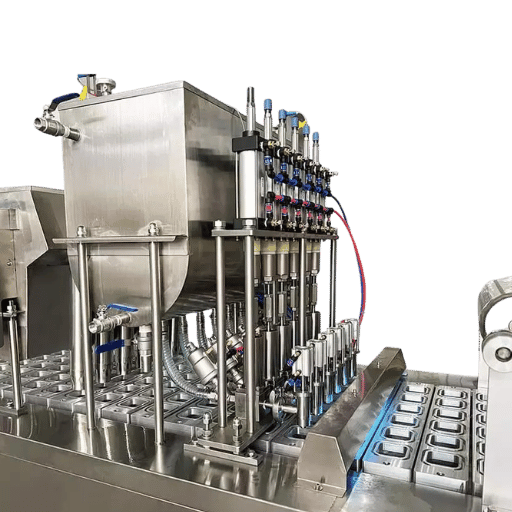
莠市場スナップショット ――2025 ~ 2028 年
- 米国のコーヒーポッド市場: $5.26B (2024) → $7.62B (2030), CAGR 6.2%
- 堆肥化可能なポッド:11-15%の製品ミックス(2026 年初頭)、6.7-10.5%の複合年間成長率で成長
- プライベートレーベルシングルサーブ: ~18%市場シェア; このフォーマットに進出するプライベートラベルメーカーの32%
- アルミニウム包装: 2031 年までCAGR 6.82 %最速成長蓋材料細分化
ニッチではなく、堆肥化可能な主流です 2026 年初頭の時点で、11-15%の市場シェアにより、堆肥化可能なKカップの互換性はプレミアム機能ではなく標準となっています EUシングルユースプラスチック指令の施行と、リサイクル不可能なポッドの米国の地域規制の強化により、変化が加速しています 柔軟な温度プロファイルなしのマシンの再販 = 特に145C未満のシールボンディングなし = 2ndhand市場ではより困難になっています 2027 年以降にスケールする予定がある場合は、マシンを選択する際にこのことに留意してください。.
プライベートラベルはボリュームがある場所です。 private-labelはシングルサーブ市場シェアの約18%を表し、プライベートラベルプレーヤーの3 分の1 がフォーマットに拡大しているため、主要な購入選挙区は小さく、nimbler roastersと地域の共同パッカーです。後者は、生のCPM速度よりも信頼性の高い出力と迅速な切り替えが必要です。.
マルチフォーマットは競争の激しい堀になりつつあります。最も急速に成長している焙煎機は、単一マシンの設置面積でマルチフォーマットライン = ネスプレッソまたはドルチェグストフォーマットの K カップ = を実行します。 30 分間のバッチ切り替えと堆肥化可能な互換性を備えたマシンは、マルチフォーマット契約を可能にすることができます。それがロードマップの一部である場合は、 の概要を参照してください ネスプレッソ充填機 そして カプセルフォーマット比較ガイド.
よくある質問frequently Asked Questions
Kカップシール機は、小さなコーヒー焙煎機への投資の価値がありますか?
50,000 カップ/月を超える場合、損益分岐点期間は一般に、2 年未満での共同梱包よりも社内の充填システムが好まれます。正確な損益分岐点期間は、現在の共同梱包料金率 ($0.08-0.15/カップ)、目標容量、および窒素フラッシュされた保存期間が必要かどうかに基づいて計算できます。30,000 カップ/月未満の場合、半自動卓上機械を低参入投資リスクとみなします。より高い量が予想される場合は、総所有コスト分析を通じて自動回転機械のケースを参照してください。.
Kカップ充填機とKカップシール機の違いは何ですか?
充填機は挽いたコーヒーをポッドに充填(または投与)します。シーリング機はホイルの蓋を適用します。多段階の商用ユニットは 2 つの機能を 1 台のマシンに組み合わせています。そのため、私はリストの中で交換可能な用語として「充填」と「シーリング」をよく参照しています。独立したシーラーユニットは、ホイルをプレフィルドカップにのみ接着できます。 =「K カップシーリングマシン」と呼ばれます。私が言いたいのは、グランドを充填してシーリングできるオールインワンマシンのことです。.
Kカップシール機を異なるカップサイズに切り替えるにはどれくらい時間がかかりますか?
回転機械では、訓練されたオペレーターがあれば12 枚の型板を交換し、PLCの満ちるプロフィールをプログラムするのに15-25 分かかります。 inline/線形装置で、それはフォーマット(44+...)ごとの必要となる型の版の大きい在庫のために30-60 分かかることができます。 PLCのプロフィールの記憶は5 分の下で満ちる変数ロードを可能にしますが、物理的な版の交換プロセスはかなり長くかかります。.
Kカップシーリングマシンは、堆肥化可能または環境に優しいホイルの蓋を扱うことができますか?
はい、ただし、お使いのマシンがより低いシール温度に対応できる場合に限ります PLAの堆肥化可能な蓋は、通常の箔プロファイル下で120-145C ~ 約30-40Cで接着する必要があります 固定温度設定のアルミ箔用に校正されたマシンは、この温度プロファイルのシフトで焼き切れるか、シールされないかのいずれかになります これを防ぐために、マシンが145C以下の温度に達する能力と、PLCシステムに代替プロファイルを保存できることを確認してください。.
Kカップシール機に期待する充填精度は?
サーボまたはステッピング モーター ドライブを備えたスクリュー オーガー フィラーは、定常状態条件下でカップあたり 0.1 g に達します。これは、小売 K カップ生産の商業ベンチマークです。低価格機械を利用した容積測定カップの投与量は、粉砕粒径の変化に応じてドリフトする精度ではあるものの、0.3 ~ 0.5 g に達します。機械の納品を受け入れる前に、500+ カップ生産の現場重量テストの工場受け入れテスト (FAT) レポートを要求してください。.
Kカップシーラーで窒素フラッシングを行うとコーヒーの保存期間はどのように延長されますか?
コーヒーローストはまた、空気にさらされると酸化します-彼らはほとんどの周囲空気中の~21%酸素で粉砕から数日以内に古くなります。 nitrogen flushingは、ホイルの蓋が密封される前にKカップヘッドスペースの酸素を置換します; 合意されたテスト条件下で完成したカプセル上の残留酸素を測定します 貯蔵寿命はコーヒー、酸素バリア、シールの完全性および保管条件に依存します; 特定の12-18 ヶ月のクレームは、完成品の検証を必要とします 密封されたパッケージは、貯蔵寿命を通してそのlow-O状態を維持する必要があり、それが、単にシール方法ではなく、ホイルの酸素バリア仕様が同様に重要な仕様になる理由です。.
関連記事
生産テストのためのKコップのシーリング機械を発注することに興味がありますか?
AFPAK は、最初の問い合わせからインストールまで、40 か国の 500 を超えるクライアントを直接サポートします。最初の最良のパートナーです...
生産アンダーショット?生産オーバーショット? AFPAKマシンは、定常状態での動作で500 +カップ生産実行にわたって実行された充填重量を指定する工場受入テスト(FAT)レポートを提供するために、顧客の工場で構築されています。.
著作権 2011 AFPAK: 無断複写 転載を禁じます
著者:AFPAK Engineering Group——お客様をサポートするAFFPの専門家 (800) 451 8441、{info@afpak.com} 市場規模とCAGRは第三者調査機関(Grand View Research & Verified Market Research)に基づきます。仕様はAFPAKの自社設備および公開データとの照合に基づきます。生産シナリオは、場合により実測データから合成したシミュレーション例です。