
อัปเดตเมื่อเดือนสิงหาคม 2026
กาแฟหมดอายุหรือไม่ การหมดอายุของกาแฟส่วนใหญ่เป็นคําถามเรื่องรสชาติไม่ใช่จุดตัดความปลอดภัย: กาแฟแห้งค่อยๆสูญเสียกลิ่นและรสชาติผ่านการเกิดออกซิเดชันแทนที่จะทําให้เสียวิธีที่นมหรือเนื้อสัตว์ทํา ถุงที่ใช้ครึ่งหนึ่งด้านหลังของตู้กับข้าวมักจะจุดประกายความคิดนี้เมื่อใดก็ตามที่นักช้อปเห็นวันที่ “ดีที่สุดโดย” เกินกว่าหมดอายุ ในความเป็นจริงคําตอบนั้นซับซ้อนกว่ากาแฟธรรมดาใช่หรือไม่ใช่กาแฟไม่จําเป็นต้องแย่เหมือนนมหรือเนื้อสัตว์แต่มันก็เปลี่ยนไปและทําความเข้าใจว่ามันเปลี่ยนไปอย่างไรคือสิ่งที่แยกความแตกต่างระหว่างถ้วยขมของกาแฟเก่ากาแฟรสกระดาษแข็งและเมื่อต้องทิ้งลงในขยะอย่างเป็นทางการ.
คู่มือนี้จะแกะกาแฟทุกประเภท อธิบายว่าวันที่ “ดีที่สุด” หมายถึงอะไรจากมุมมองทางกฎหมาย (และการเปลี่ยนแปลงกฎหมายของรัฐแคลิฟอร์เนียในปี 2569) และแยกคําถามสองประเภท: อะไรดีที่สุดเกี่ยวกับกาแฟเก่า และอะไรปลอดภัยเกี่ยวกับมัน?
นักดื่มกาแฟพิเศษมักถามคําถามสองข้อที่แตกต่างกันเล็กน้อย: กาแฟเก่าหรือไม่และกาแฟหมดอายุจริงหรือไม่ กาแฟอายุหลายเดือนไม่ได้หมายความว่าไม่สามารถบริโภคได้อีกต่อไปโดยอัตโนมัติ แต่กาแฟมีอายุการใช้งานนานแค่ไหนและกาแฟคงความสดได้นานแค่ไหนส่วนใหญ่ขึ้นอยู่กับวิธีการจัดเก็บ กาแฟจะคงสภาพดีเมื่อคุณเก็บไว้ในบรรจุภัณฑ์ที่ปิดสนิทและแห้งแต่สามารถเปลี่ยนจากรสชาติเป็นขาดความดแจ่มใสได้เร็วกว่าที่คาดไว้มากเมื่อคุณเปิดถุง คู่มือนี้จะตรวจสอบกาแฟทุกสายพันธุ์อธิบายว่าแต่ละกาแฟมีส่วนทําให้ระยะเวลาอายุการเก็บรักษาแตกต่างกันอย่างไรและระบุว่ากาแฟใดมีอายุการเก็บรักษานานที่สุด ท้ายที่สุดจุดมุ่งหมายคือช่วยให้คุณเพลิดเพลินกับกาแฟของคุณได้นานที่สุดไม่ว่าจะหมายความว่ากาแฟสดเป็นเวลาสองสัปดาห์หรือหลายปีที่ชงจริง ๆ อ่าน.
ข้อมูลจําเพาะด่วน: อายุการเก็บรักษากาแฟโดยสรุป
| ถั่วทั้งเมล็ดยังไม่ได้เปิด | 3-9 เดือนสําหรับรสชาติสูงสุดปลอดภัยดีเกินถ้าปิดผนึก |
| เปิดกาแฟบดแล้ว | 1-2 สัปดาห์สําหรับรสชาติสูงสุด |
| กาแฟสําเร็จรูป ยังไม่เปิด | 1-2 ปี |
| แคปซูล/ถุงล้างไนโตรเจน | 6-12 เดือนหรือนานกว่านั้นปิดผนึก |
กาแฟหมดอายุหรือไม่? คําตอบด่วน
กาแฟหมดอายุในลักษณะที่ทําให้ไม่ปลอดภัยในการบริโภคหรือไม่ ไม่เหมือนนมเน่าเสียกลายเป็นนมเปรี้ยวหรือเนื้อเน่าหมดอายุภายในไม่กี่วัน กาแฟเป็นของแห้งที่มีความชื้น จํากัด มากและไม่มีความเสี่ยงต่อการเน่าเสียที่เกี่ยวข้องกับ “ดีที่สุดถ้าใช้โดย” วันที่ต่อ บริการตรวจสอบความปลอดภัยด้านอาหารของ USDA; ในระยะสั้นวันที่ “ดีที่สุดโดย” บนผลิตภัณฑ์ที่เก็บไว้ของกาแฟไฮไลท์เมื่ออยู่ในโปรไฟล์รสชาติที่เหมาะสมไม่ใช่เมื่อหมดอายุ แต่สิ่งที่เกิดขึ้นกับกาแฟเมื่อเวลาผ่านไปคือกลิ่นหอมของมัน (สารประกอบของกลิ่นหอมระเหย) ค่อย ๆ เสื่อมสลายไปผ่านการเกิดออกซิเดชัน „ช้าและหลีกเลี่ยงไม่ได้กระบวนการที่แถบของกลิ่นและรสชาติของมันเปลี่ยนผลิตภัณฑ์แบนไม่เป็นอันตราย.
“วันที่ ‘ดีที่สุดหากใช้โดย’ บ่งบอกว่าเมื่อใดที่ผลิตภัณฑ์จะมีรสชาติหรือคุณภาพดีที่สุด ไม่ใช่วันที่ซื้อหรือวันที่ปลอดภัยยกเว้นเมื่อใช้กับนมผงสําหรับทารก.”
□กระทรวงเกษตรของสหรัฐอเมริกา, บริการความปลอดภัยและตรวจสอบอาหาร
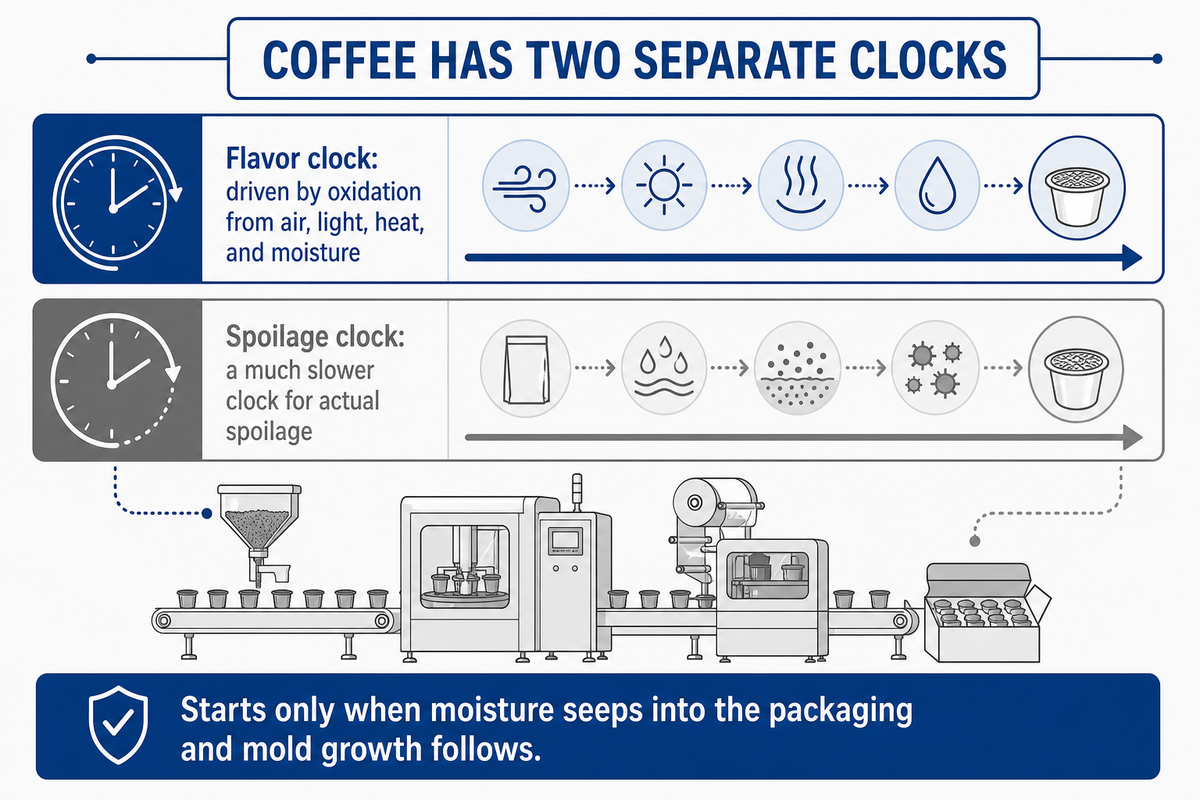
สองเส้นเวลาอยู่ร่วมกันในโลกของกาแฟ „เรียกว่าแบบจําลองสองนาฬิกา การรวมตัวกันของนาฬิกาหนึ่งกับอีกนาฬิกาหนึ่งมักเป็นแหล่งที่มาของความสับสนทั้งหมด ครั้งแรกนาฬิการสชาติเห็บลงจากการเกิดออกซิเดชันที่เกิดจากอากาศความร้อนและความชื้น „แสง” ตัวขับเคลื่อนหลักของการสูญเสียสําหรับน้ํามันและสารประกอบกลิ่นหอมที่ปล่อยออกมาระหว่างการคั่ว (กระบวนการที่ปล่อย CO2 และเพิ่มกลิ่นหอม) ประการที่สองนาฬิกาการเน่าเสียเป็นนาฬิกาที่ช้ากว่ามากสําหรับการเน่าเสียจริง; มันเพียงเห็บลงอย่างไรก็ตามเมื่อความชื้นซึมเข้าไปในบรรจุภัณฑ์และการเจริญเติบโตของเชื้อราตามมาซึ่งบ่งชี้ว่าการจัดเก็บผิดพลาด.
ตํานานที่ดีที่สุด
มีความเท็จที่แข่งขันกันสองประการเกี่ยวกับกาแฟและทั้งสองผิด มีอันหนึ่งเกี่ยวกับวิธีที่กาแฟ “หมดอายุ” เช่นเดียวกับอาหารที่เน่าเสียง่ายอื่น ๆ ซึ่งกระตุ้นให้ผู้คนทิ้งถั่วที่ดีอย่างสมบูรณ์ในสัปดาห์หลังจากวันที่พิมพ์ ความเท็จครั้งที่สองแพร่หลายภายในพื้นที่ผู้ชื่นชอบกาแฟ: กาแฟแห้งนั้นเป็นอมตะอย่างมีประสิทธิภาพและไม่สามารถเลวร้ายได้อย่างแท้จริง พฤติกรรมที่แท้จริงของกาแฟตกลงไปที่ไหนสักแห่งตรงกลางของความสุดขั้วทั้งสองนี้: กาแฟแห้งจะไม่ทําให้คนที่มีสุขภาพดีป่วยเพียงตามอายุ แต่สามารถ และจะเน่าเสียได้หากเปียก ขึ้นรา หรือถูกรบกวนโดยศัตรูพืช การวิจัยที่ผ่านการตรวจสอบโดยผู้ทรงคุณวุฒิเกี่ยวกับวิธีการจัดเก็บกาแฟที่ดีที่สุดกลับด้านที่เสื่อมรสชาติของการจัดเก็บนี้โดยตรงมากขึ้น หนึ่งการศึกษาที่ตีพิมพ์ ฐานข้อมูลออนไลน์ PMC ของสถาบันสุขภาพแห่งชาติ ติดตามกาแฟคั่วตลอดการเก็บรักษาเก้าเดือน และพบว่าคุณภาพรสชาติลดลงในเชิงปริมาณเนื่องจากกระบวนการที่ขับเคลื่อนด้วยออกซิเดชัน ไม่ใช่ทางชีววิทยา.
| รูปแบบ | ยังไม่ได้เปิด/ปิดผนึก | เปิดแล้ว | ไดรเวอร์การเน่าเสียหลัก | พื้นที่เก็บข้อมูลในอุดมคติ |
|---|---|---|---|---|
| ถั่วทั้งเมล็ด | 3-9 เดือนที่ผ่านมาคั่วสําหรับรสชาติสูงสุด | รสชาติสูงสุด 2-4 สัปดาห์ 3+ เดือนยังคงใช้งานได้ | ออกซิเดชันของน้ํามันพื้นผิว | กันอากาศ มืด เย็น |
| กาแฟบด | 3-5 เดือนรสชาติสูงสุดถึง 2 ปียังคงใช้งานได้หากปิดผนึก | 1-2 สัปดาห์รสชาติสูงสุดถึง 1 เดือนยังคงใช้งานได้ | ออกซิเดชัน พื้นที่ผิวใหญ่ขึ้น | กันอากาศ มืด เย็น |
| กาแฟสําเร็จรูป | 1-2 ปี | 2-6 เดือน | การดูดซับความชื้นจับตัวเป็นก้อน | กันอากาศแห้ง |
| แคปซูล/ถุงล้างไนโตรเจน | 6-12 เดือนหรือนานกว่านั้น | เสิร์ฟเดี่ยว ไม่มี | ความสมบูรณ์ของซีล/สิ่งกีดขวาง-ฟิล์ม | เย็น แห้ง ไม่เปิด |
| พ็อดมาตรฐาน (ไม่ล้าง) | แตกต่างกันไปตามคุณภาพของฟิล์ม โดยทั่วไปจะสั้นกว่า N2-flushed | เสิร์ฟเดี่ยว ไม่มี | การซึมผ่านของออกซิเจนผ่านฟิล์ม | เย็นแห้ง |
| ถั่วเขียว (ไม่คั่ว) | 12-15+ เดือน | ไม่มี | ความชื้นช้า/ดริฟท์คุณภาพ | กระเป๋าเย็นแห้งระบายอากาศ |
| กาแฟชง อุณหภูมิห้อง | ไม่มี | 12-24 ชั่วโมง ดีที่สุดใน 30 นาทีแรก | ออกซิเดชันและการเจริญเติบโตของแบคทีเรีย | แช่เย็นทันที |
| กาแฟชงแช่เย็น | ไม่มี | 3-4 วัน | ออกซิเดชันของรสชาติ | ภาชนะสุญญากาศ ตู้เย็น |
| ชงเย็นเข้มข้นแช่เย็น | ไม่มี | โฮมเมด 5-7 วัน ปิดผนึกเชิงพาณิชย์สูงสุด 1-2 สัปดาห์ | ความเสี่ยงต่อแบคทีเรีย/เชื้อโรคหากไม่เก็บความเย็น | แช่เย็นอย่างต่อเนื่อง ไม่มีอุณหภูมิห้องนาน |
วันที่บนกระเป๋าหมายถึงอะไรจริงๆ
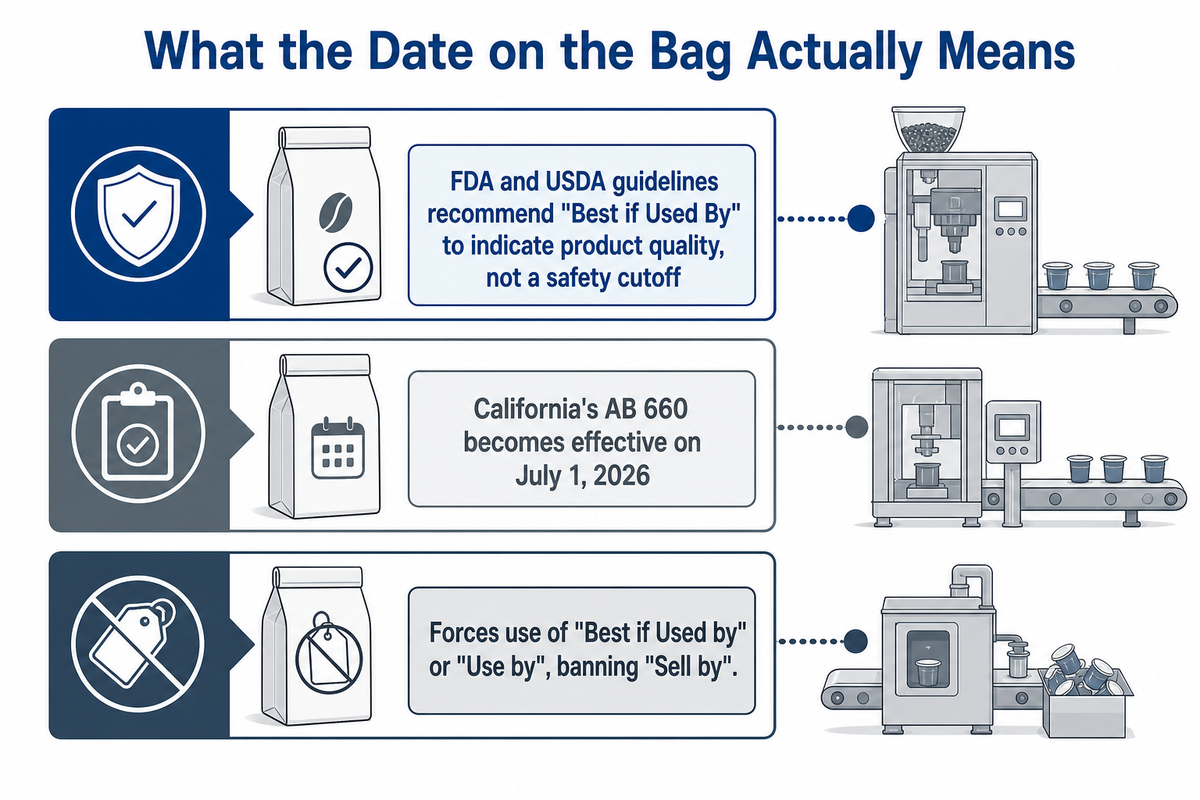
ในสหรัฐอเมริกาวันที่ในอาหารเป็นตัวเลือกและมีเพียงบางรายการเท่านั้นที่ต้องมีฉลากวันที่ รัฐบาลกลาง แนวทางของ FDA และ USDA ร่วมกันแนะนําให้ผู้ผลิตใช้การติดฉลากเช่น “ดีที่สุดถ้าใช้โดย” เพื่อบ่งบอกถึงคุณภาพของผลิตภัณฑ์ไม่ใช่จุดตัดความปลอดภัย ผลิตภัณฑ์ส่วนใหญ่ที่มีความเสถียรในการเก็บรักษาซึ่งรวมถึงกาแฟไม่จําเป็นต้องมีวันที่พิมพ์เลย เมื่อเครื่องคั่วพิมพ์มันตั้งใจให้เป็นเครื่องหมายคุณภาพไม่ใช่การนับถอยหลังวันที่ฆ่า.
ที่กล่าวว่าการเปลี่ยนแปลงระดับรัฐกําลังมาและความคลุมเครือว่าใครต้องปฏิบัติตามอย่างแน่นอนยิ่งเพิ่มความสับสนให้กับผู้ซื้อที่รู้สึกอยู่แล้วเกี่ยวกับฉลากวันที่ AB 660 ของแคลิฟอร์เนียที่ผ่านโดยสภานิติบัญญัติแห่งรัฐมีผลบังคับใช้ในวันที่ 1 กรกฎาคม 2026 และคุ้มค่าที่จะผ่าเนื่องจากง่ายต่อการประเมินมากเกินไปว่าอาณัติคืออะไร AB 660 ไม่ได้กําหนดว่าผู้คั่วจะต้องลงวันที่ในถุงกาแฟทั้งหมด แต่กําหนดให้หน่วยงานใด ๆ เหล่านี้ติดฉลากด้วยวันที่เมื่อพวกเขากําลังผลิตบรรจุหีบห่อหรือขายผลิตภัณฑ์ที่มีป้ายกํากับคุณภาพหรือวันที่ปลอดภัยหรือเมื่อกําหนดโดยกฎเกณฑ์อื่น ๆ เมื่อวันดังกล่าวผ่านไปจะบังคับให้หน่วยงานใด ๆ ใช้อย่างใดอย่างหนึ่ง ‘เพื่อคุณภาพหากใช้’ โดยความปลอดภัย‘ (Sell’ กรมอาหารและการเกษตรแคลิฟอร์เนีย และการศึกษาในเรื่องที่ตีพิมพ์โดย ศูนย์กฎหมายเกษตรแห่งชาติ สนับสนุนการอ่านที่แม่นยํายิ่งขึ้นนี้: ฉลากมาตรฐานตามกฎหมาย มันไม่ได้กําหนดให้วันที่อยู่ในผลิตภัณฑ์ทั้งหมด.
สําหรับกาแฟโดยเฉพาะอย่างยิ่งนี้หมายความว่าเล็กน้อยมีการเปลี่ยนแปลง สิ่งที่สําคัญมากกว่าวันที่ ‘ดีที่สุดโดย’ บนถุงคือวันที่ย่าง ผู้คั่วมักจะคํานวณกาแฟ “ดีที่สุดโดย” วันที่เป็นหน้าต่างคงที่ (มักจะ 12 ถึง 24 เดือน) หลังจากการคั่วโดยไม่คํานึงถึงวิธีการจัดเก็บถุง นาฬิกาเริ่มต้นช่วงเวลาการคั่วกาแฟไม่ใช่วันที่บรรจุหรือขาย.
กาแฟโฮลบีน: จริงๆ แล้วกาแฟจะคงอยู่ได้นานแค่ไหน
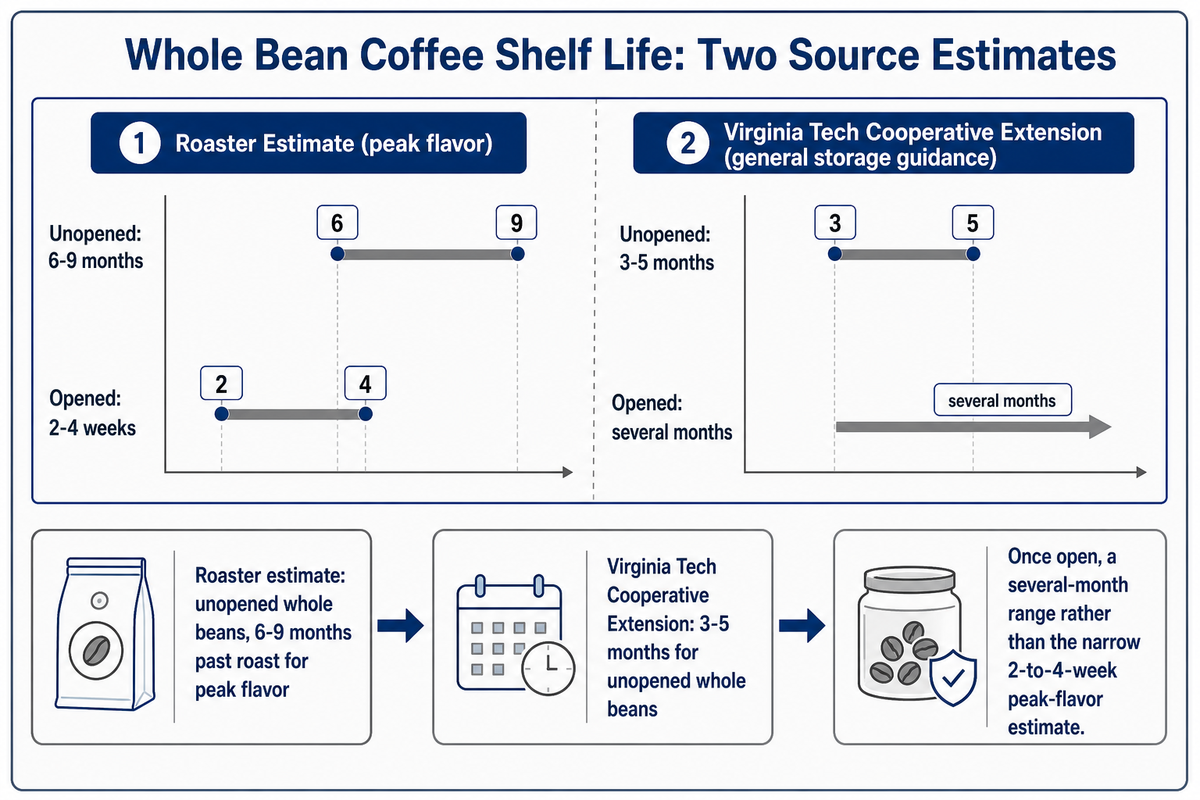
กาแฟถั่วทั้งยังคงรสชาติได้นานกว่ารูปแบบอื่น ๆ เนื่องจากพื้นที่ผิวสัมผัสมีขนาดเล็กที่สุด คู่มือที่มาจากเครื่องคั่วมักจะวางถั่วทั้งเมล็ดที่ยังไม่ได้เปิดและเก็บไว้อย่างเหมาะสมที่ 6-9 เดือนหลังจากวันที่คั่วของพวกเขาสําหรับรสชาติสูงสุด; คู่มือการจัดเก็บอาหารฉบับปรับปรุงปี 2025 จาก การขยายความร่วมมือของเวอร์จิเนียเทค แนะนําอนุรักษ์นิยมมากขึ้น 3-5 เดือนสําหรับถั่วทั้งที่ยังไม่ได้เปิดและเมื่อเปิดแล้วอนุญาตให้มีช่วงหลายเดือนแทนที่จะประมาณการรสชาติสูงสุด 2 ถึง 4 สัปดาห์ที่แคบซึ่งผู้คั่วมักจะให้ ตัวเลขทั้งสองนี้ไม่มีความขัดแย้ง: ช่วงที่สั้นกว่าที่มาจากเครื่องคั่วอธิบายเมื่อถั่วทั้งเมล็ดมีความสดใหม่ที่สุดในขณะที่คําแนะนําที่มาจากส่วนขยายที่ยาวกว่านั้นอธิบายเมื่อพวกเขายังคงดีพอสมควรโดยทั้งสองตัวเลขชี้ไปที่ความปลอดภัยผ่านขีด จํากัด เหล่านั้นตราบเท่าที่ถุงไม่เคยเปียก.
มันเดือดลงไปที่กระบวนการที่เรียกว่าการไล่แก๊ส ถั่วคั่วใหม่จะปล่อยก๊าซคาร์บอนไดออกไซด์เป็นเวลาหลายสัปดาห์หลังจากการคั่ว = นี่คือเหตุผลที่ผู้คั่วบางคนแนะนําถั่ว “”พัก’ และสาเหตุของถุงคั่วปิดผนึกสูญญากาศที่บวมเล็กน้อยเหล่านั้น ในการหลบหนีของคาร์บอนไดออกไซด์นี้ที่ส่วนใหญ่ของโมเลกุลระเหยกลิ่นอะโรมาติกเหล่านั้นในการชงสดหลบหนีเช่นกัน และ การวิจัยที่ผ่านการตรวจสอบโดยผู้ทรงคุณวุฒิของสถาบันเทคโนโลยีอาหาร ยืนยันว่าการจัดเก็บหลังการย่างส่งผลต่อกระบวนการอย่างไร.
ผู้ที่ชื่นชอบกาแฟใช้กฎ “ 15-15-15” เพื่อจัดการความคาดหวังความสดใหม่แม้ว่ากฎจะถูกนําไปใช้มากกว่าหนึ่งวิธี ตามที่บางคนหมายถึง 15 วันจากการคั่วถึงชง 15 นาทีจากการบดถึงชงและ 15 นาทีในการบริโภค; อีกสองสามคนใช้เวลา 15-15-15 เพื่อหมายถึงอายุการเก็บรักษา 15 เดือนสําหรับถั่วที่ยังไม่เปิดและไม่คั่ว 15 วันของรสชาติหลังการคั่วถึงจุดสูงสุดและหนึ่งในสามที่ยืดหยุ่นมากขึ้น “ 15” สําหรับกาแฟบด ทั้งสองวิธีบทเรียนหลักจะเหมือนกัน: กาแฟอยู่ใกล้วันที่คั่วมากที่สุดและไม่นานนัก.
กาแฟบด: ทําไมมันถึงเก่าเร็วกว่า
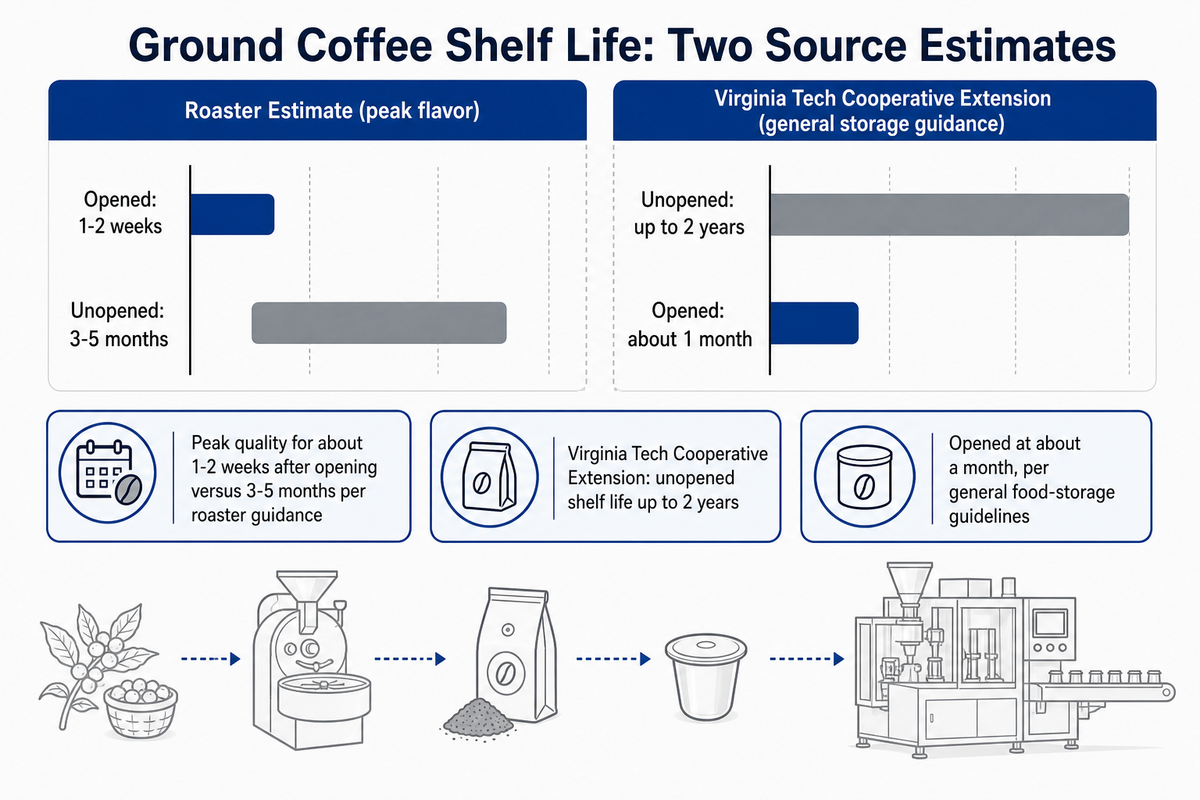
กาแฟบดจะสูญเสียรสชาติสดเร็วกว่าเมล็ดทั้งเมล็ด โดยปกติจะมีคุณภาพสูงสุดประมาณ 1-2 สัปดาห์หลังจากเปิด เทียบกับ 3-5 เดือนตามคําแนะนําของเครื่องคั่ว (การขยายสหกรณ์เวอร์จิเนียเทค ทําให้อายุการเก็บรักษาที่ยังไม่ได้เปิดนานถึง 2 ปีและเปิดได้ประมาณหนึ่งเดือนแม้ว่าจะสะท้อนถึงแนวทางการเก็บรักษาอาหารทั่วไปมากกว่าหน้าต่างรสชาติสูงสุดเฉพาะกาแฟ) เมื่อบดแล้วพื้นที่ผิวของถั่วจะเพิ่มขึ้นอย่างมากซึ่งจะช่วยเร่งกระบวนการออกซิเดชันเดียวกันถั่วทั้งเมล็ดได้รับเร็วขึ้นมาก.
นี่คือเหตุผลที่แท้จริงที่จริงจังนักดื่มกาแฟใช้เวลาบดเพียงก่อนที่จะชงเทียบกับการซื้อถั่วบดล่วงหน้าเป็นกลุ่ม ซื้อถั่วบดล่วงหน้าเพื่อความสะดวกเสมอมาค่าใช้จ่ายของอายุยืนในคุณภาพรสชาติ ควรตัวเลือกก่อนพื้นดินหลีกเลี่ยงไม่ได้เลือกขนาดบรรจุภัณฑ์ที่เล็กที่สุดที่มีอยู่และลงทุนในภาชนะที่มีคุณภาพสูงสุดสุญญากาศอย่างแท้จริงเพื่อขยายหน้าต่างความเพลิดเพลิน.
กาแฟบดมีพฤติกรรมแตกต่างจากเมล็ดกาแฟทั้งเมล็ดมากและกาแฟสามารถเหม็นอับได้ภายในไม่กี่วันเมื่อบดและสัมผัสกับอากาศ กาแฟจะสูญเสียกลิ่นหอมเร็วที่สุดทันทีหลังจากการบดเนื่องจากการบดทวีคูณพื้นที่ผิวที่สัมผัสกับออกซิเจนกากกาแฟยังอาจรับกลิ่นจากตู้เย็นหรือตู้กับข้าวรอบตัวพวกเขาหากปล่อยทิ้งไว้ นี่คือเหตุผลที่คนที่เก็บกาแฟเป็นเมล็ดทั้งหมดและบดเฉพาะสิ่งที่พวกเขาต้องการเท่านั้นได้รับผลลัพธ์ที่สม่ําเสมอมากขึ้นจากถ้วยถึงถ้วยวิธีที่คุณใช้กากกาแฟทันทีหลังจากเปิดถุงมีผลต่อความเร็วที่เหลือของกาแฟคงความสดได้นานกว่ามากปิดผนึกเป็นเมล็ดทั้งหมดกว่าที่บด รสชาติกาแฟในสัปดาห์หลังจากเปิดขึ้นอยู่กับวิธีการเก็บกาแฟในระหว่างนั้นเป็นอย่างมากและอย่างไรก็ตามคุณต้องการให้รสชาติกาแฟของคุณมีรสชาติไกลมากขึ้นทั้ง.
กาแฟสําเร็จรูป: รูปแบบที่ยาวนานที่สุด
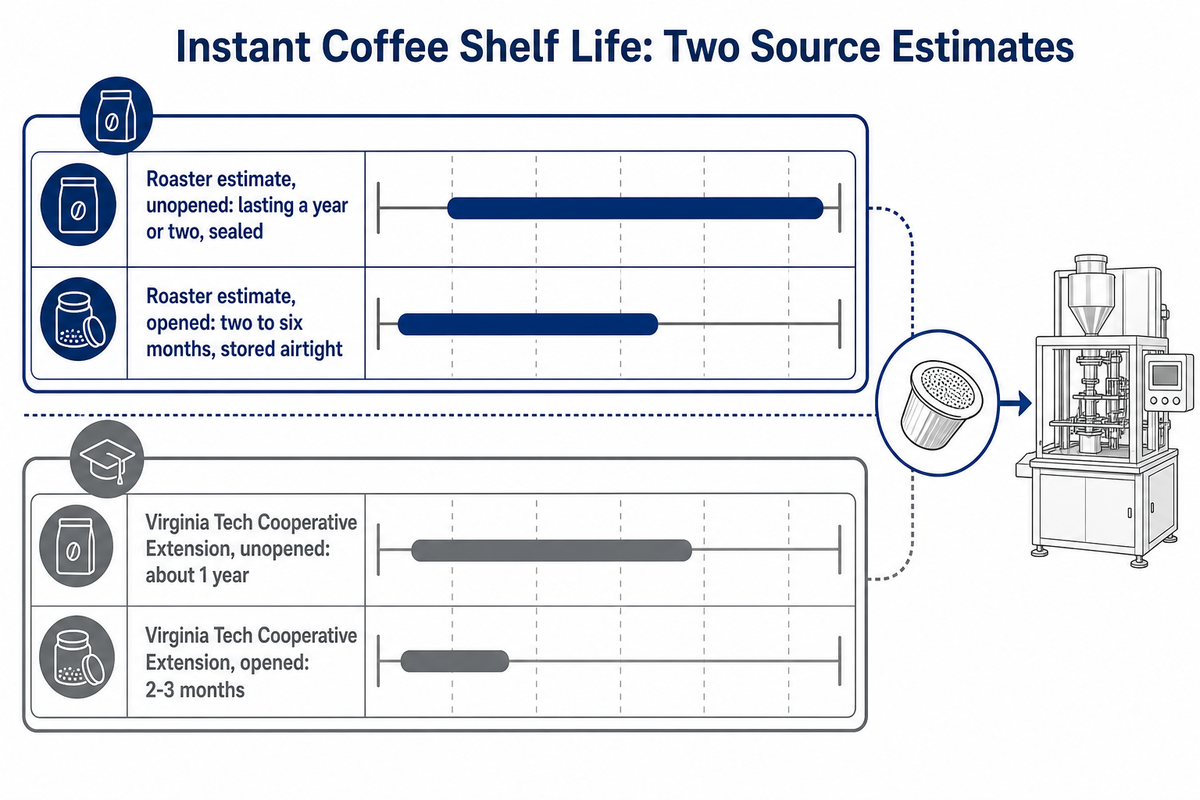
กาแฟสําเร็จรูปเป็นรูปแบบที่มีความเสถียรในการเก็บรักษามากที่สุด โดยใช้เวลาหนึ่งหรือสองปีตามแหล่งที่มาบางแห่ง (ไม่ได้เปิดและปิดผนึก) หรือสองถึงหกเดือนเมื่อเปิดและเก็บไว้แบบสุญญากาศเมื่อเนื้อสัมผัสและรสชาติเริ่มลดลง กาแฟสําเร็จรูปแบบเปิดยังคงอยู่ได้นานกว่ากาแฟบดแบบเปิดด้วยอัตรากําไรที่กว้าง. การขยายความร่วมมือของเวอร์จิเนียเทค เสนอการประมาณการแบบอนุรักษ์นิยมมากขึ้นประมาณ 1 ปีที่ยังไม่ได้เปิดและ 2-3 เดือนเปิดซึ่งสะท้อนถึงคําแนะนําในการจัดเก็บอาหารทั่วไปมากกว่าหน้าต่างที่มีรสชาติสูงสุด นั่นเป็นเพราะกาแฟสําเร็จรูปที่ชงแล้วจะถูกแช่แข็งแห้งหรือสเปรย์แห้งเพื่อขจัดความชื้นเกือบทั้งหมดทําให้การเกิดออกซิเดชันและน้ําทํางานน้อยลงและน้อยลง.
เม็ดฟรีซดรายถือขอบการจัดเก็บจริงเพียงอย่างเดียวมากกว่าสเปรย์แห้งเนื่องจากกระบวนการอบแห้งด้วยความร้อนต่ําทําให้เกิดความเสียหายน้อยลงต่อสารประกอบอโรมาที่ระเหยง่าย ทั้งสองรูปแบบใช้โหมดความล้มเหลวเดียวกันทุกประการแม้ว่า: ความชื้น โถกาแฟสําเร็จรูปที่เปิดอยู่เมื่อสัมผัสกับความชื้นจะเริ่มจับตัวเป็นก้อนและแข็งตัวอย่างรวดเร็วซึ่งเป็นสัญญาณที่ชัดเจนที่สุดที่ต้องการเปลี่ยน.
เคคัพและแคปซูลกาแฟหมดอายุหรือไม่?
ใช่ K-Cups และแคปซูลรูปแบบ Nespresso มีอายุการเก็บรักษา แต่อายุการเก็บรักษาแคปซูลแบบใช้ครั้งเดียวจะถูกกําหนดโดยกาแฟภายในน้อยกว่าโดยระบบบรรจุภัณฑ์ที่อยู่รอบๆ แคปซูลกาแฟที่ปิดสนิทจะคงความสดใหม่เป็นเวลานานโดยพิจารณาจากประเภทของก๊าซภายในแคปซูลวัสดุฟิล์มกั้นที่ใช้และอุณหภูมิในการเก็บรักษา.
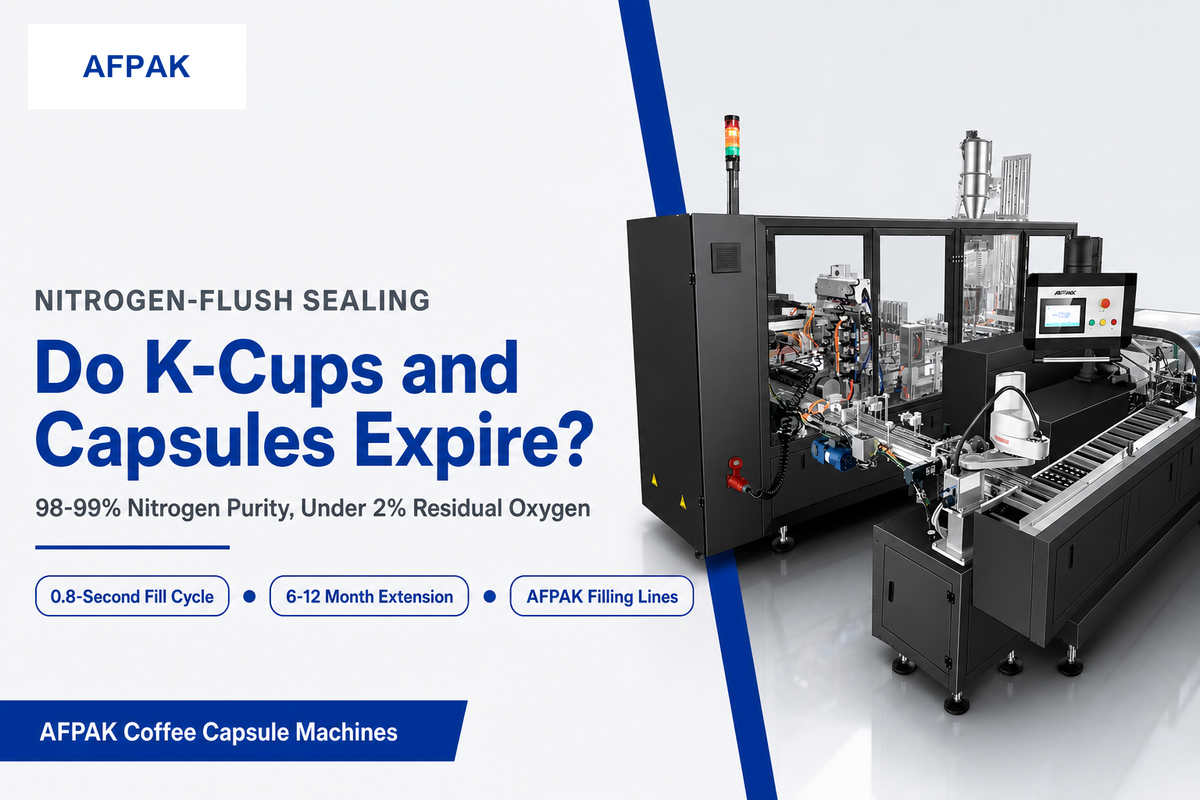
นี่คือเหตุผลว่าทําไมจึงมีเทคโนโลยีเช่นการชะล้างไนโตรเจน. บนแคปซูลกาแฟของตัวเองของ AFPAK บรรจุและปิดผนึกบรรทัดวงจรการเต้นเป็นจังหวะ 3 เฟสสุญญากาศไนโตรเจน 3 เฟสที่ปรับให้เหมาะสมที่สุดจะท่วมแต่ละแคปซูลด้วยก๊าซไนโตรเจนบริสุทธิ์ 98-99% แทนที่ปริมาณอากาศของแคปซูลรวมถึงออกซิเจนและลดออกซิเจนตกค้างภายในแคปซูลที่ปิดสนิทให้ต่ํากว่า 2% ภายในประมาณ 0.8 วินาทีในระหว่างรอบการเติมและปิดผนึก กระบวนการนี้จะรักษากาแฟและสามารถยืดอายุการเก็บรักษาแคปซูลกาแฟที่ปิดสนิทได้ทุกที่ตั้งแต่ 6 ถึง 12 เดือนหรือนานกว่านั้น ตัวเลขที่เรียงตัวกับหนึ่งการอ้างของผู้บริโภคที่หันหน้าไปทางกาแฟเชิงพาณิชย์ของตัวเองว่า “การปิดผนึกสุญญากาศหรือไนโตรเจน- ปิดผนึก 2 เดือน, ซักแห้งทันทีที่มีคั่วซึม การศึกษาฟิล์มบรรจุภัณฑ์ที่ผ่านการตรวจสอบโดยผู้ทรงคุณวุฒิในโมเลกุล นั่นเป็นการวัดโดยตรงว่าบรรจุภัณฑ์ฟิล์มกั้นอลูมิเนียมฟอยล์มาตรฐานเปรียบเทียบกับทางเลือกที่สามารถรีไซเคิลได้สําหรับความสดของกาแฟแคปซูลเมื่อเวลาผ่านไปอย่างไร.
ในทางปฏิบัติปัญหาที่แท้จริงไม่ได้ “นานแค่ไหนแคปซูลกาแฟล่าสุด” ในนามธรรมมันคือสิ่งที่แคปซูลบรรจุภัณฑ์ระบบกําลังถูกนํามาใช้ สําหรับผลิตภัณฑ์ที่ให้บริการเดียวแบรนด์กาแฟจําเป็นต้องรู้แพคเกจที่เหมาะสมสําหรับผลิตภัณฑ์ของตนหรือผู้ซื้อสงสัยว่ากาแฟที่ให้บริการเดียวของแบรนด์ที่กําหนดจะคงความสดใหม่หลายเดือนหลังจากการผลิตคําถามที่แท้จริงคือ “ก๊าซและฟิล์มกั้นชุดใดเป็นแคปซูลเฉพาะที่ใช้” แบรนด์ประเมิน อุปกรณ์บรรจุและปิดผนึกเคคัพ หรือก กลุ่มผลิตภัณฑ์แคปซูลรูปแบบ Nespresso มีผลในการเลือกผลลัพธ์อายุการเก็บรักษาได้มากเท่ากับสายการผลิต รายละเอียดทางเทคนิคของ AFPAK เองของ วิธีป้องกันไนโตรเจนช่วยเพิ่มความสดของแคปซูลกาแฟ ครอบคลุมกระบวนการล้างแก๊สโดยละเอียดในระดับการผลิตเพิ่มเติม และคู่มือแนะนํา การเพิ่มอายุการเก็บรักษาแคปซูลกาแฟ เดินผ่านตัวแปรการบด บรรจุภัณฑ์ และการจัดเก็บที่ประกอบด้วยการล้างด้วยแก๊สเพื่อกําหนดหน้าต่างความสดใหม่ในโลกแห่งความเป็นจริงของแคปซูล.
สําหรับใครก็ตามที่มีพ็อด Nespresso หรือ K-Cup เพียงตัวเดียวที่บ้าน พ็อดที่ปิดสนิทและยังไม่ได้เปิดจากแบรนด์เชิงพาณิชย์มักจะยังดีอยู่เลยวันใช้งานที่เผยแพร่ไปแล้ว เนื่องจากบรรจุภัณฑ์สุญญากาศแต่ละชิ้นจะต้องเก็บออกซิเจนไว้จนกว่าจะถึง ขณะนั้นมันซึมเข้าไปในเครื่อง ข้อดีของถุงกาแฟขนาดใหญ่จะไม่มีเมื่อเปิดแล้ว.
กาแฟชงและชงเย็น: นาฬิกาที่แตกต่างกัน
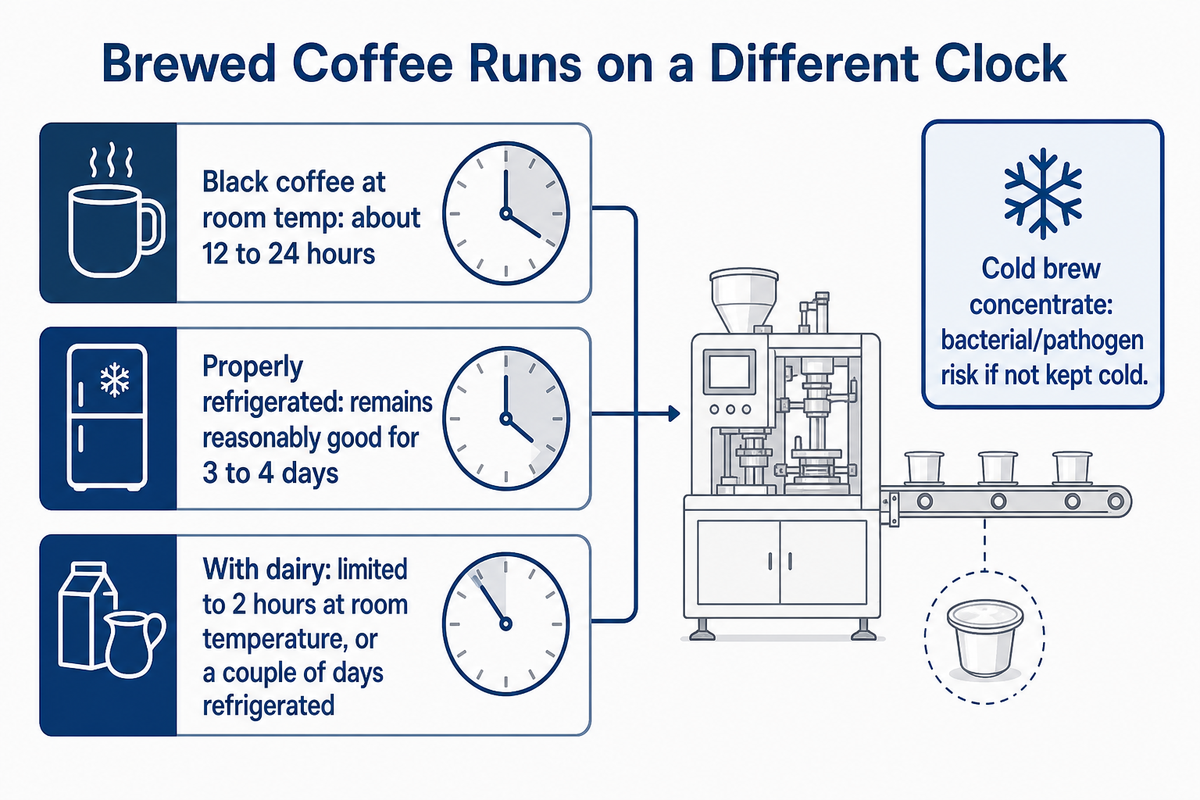
หลังจากเสร็จสิ้น บทสนทนาในการจัดเก็บจะเปลี่ยนไปโดยสิ้นเชิง เนื่องจากกาแฟที่ชงแล้วเป็นของเหลวที่มีความชื้น (ไม่ใช่ของแห้ง) และมีกรดต่ํา จึงทํางานบนนาฬิกาที่เร็วกว่าถั่วหรือกากอย่างมาก. FDA’s “กฎสองชั่วโมง” โดยทั่วไปใช้กับอาหารที่หน่วยงานพิจารณาว่าเน่าเสียง่ายเช่นเนื้อสัตว์สัตว์ปีกอาหารทะเลไข่และผลิตผลและกาแฟดําไม่ได้อยู่ในรายชื่อนั้นซึ่งเป็นเหตุผลว่าทําไมกาแฟดําธรรมดาจึงมีช่องทางที่เน้นคุณภาพ (ไม่เน้นความปลอดภัย) มากกว่าการตัดสองชั่วโมงแปลเป็นอายุการเก็บรักษาที่ยาวนานขึ้นโดยขับเคลื่อนด้วยคุณภาพมากกว่าความปลอดภัย กาแฟดําที่เก็บไว้นอกภาชนะสุญญากาศที่อุณหภูมิห้องโดยทั่วไปสามารถดื่มได้ประมาณ 12 ถึง 24 ชั่วโมงแม้ว่าคุณภาพรสชาติจะลดลงอย่างมากก่อนหน้านี้ (ประมาณ 30 นาทีแรกหลังการให้ความร้อน).
แช่เย็นอย่างถูกต้องภายในภาชนะสุญญากาศจะยังคงดีพอสมควรเป็นเวลา 3 ถึง 4 วัน เมื่อครีมเทียมหรือนมสัมผัสกับกาแฟอายุการเก็บรักษาจะลดลงอย่างมาก: เพิ่มนมและกาแฟตอนนี้เป็นไปตามโปรโตคอลการจัดเก็บนมปกติ จํากัด 2 ชั่วโมงที่อุณหภูมิห้องหรือสองสามวันแช่เย็น.
กาแฟที่ชงแล้วเหมือนกับการดื่มกาแฟแห้งหรือไม่ ไม่เว้นแม้แต่ กาแฟที่ชงสดจะดีที่สุดภายในชั่วโมงแรกและกาแฟที่ชงสดใหม่ซึ่งวางอยู่บนจานอุ่นในโถของเครื่องชงกาแฟจะดับเร็วกว่ากาแฟที่เก็บไว้ในถ้วยปิดผนึกที่ทิ้งไว้ที่อุณหภูมิห้อง กาแฟเย็นไม่ต่างจากกาแฟที่ชงแบบแช่เย็นทั่วไปเมื่อน้ําแข็งละลายเข้าไปแล้ว.
การชงเย็นต้องการการอภิปรายของตัวเอง 3 เหตุผลที่ชัดเจนนี่คือกาแฟ “ชง แต่เย็น” ต่างจากกาแฟที่ชงร้อนซึ่งรวมถึงขั้นตอนการฆ่าความร้อนการชงเย็นสูงชันเป็นเวลาหลายชั่วโมงที่ห้องหรือแม้แต่อุณหภูมิในการทําความเย็นโดยไม่มีขั้นตอนชงร้อนที่จะส่งผลกระทบต่อความปลอดภัย ความเข้มข้นชงเย็นโฮมเมดเก็บไว้อย่างต่อเนื่องแช่เย็นเป็นสิ่งที่ดีใช้ภายใน 5-7 วัน ผลิตในเชิงพาณิชย์และปิดผนึกชงเย็นมีอายุการเก็บรักษาที่แนะนํานานขึ้น (บางครั้งสัปดาห์หรือสองแช่เย็น) แม้ว่ามันจะลงมามากกว่าเพียงแค่ความเสถียรในกรณีนี้ การชงเย็นไม่ได้มีขั้นตอนฆ่าความร้อนใกล้เดือดของเบียร์ร้อนและถ้าปล่อยทิ้งไว้โดยไม่เติมปริมาณของแท้หรือแช่เย็นผลิตเพียง.
สัญญาณว่ากาแฟของคุณแย่ไปแล้ว
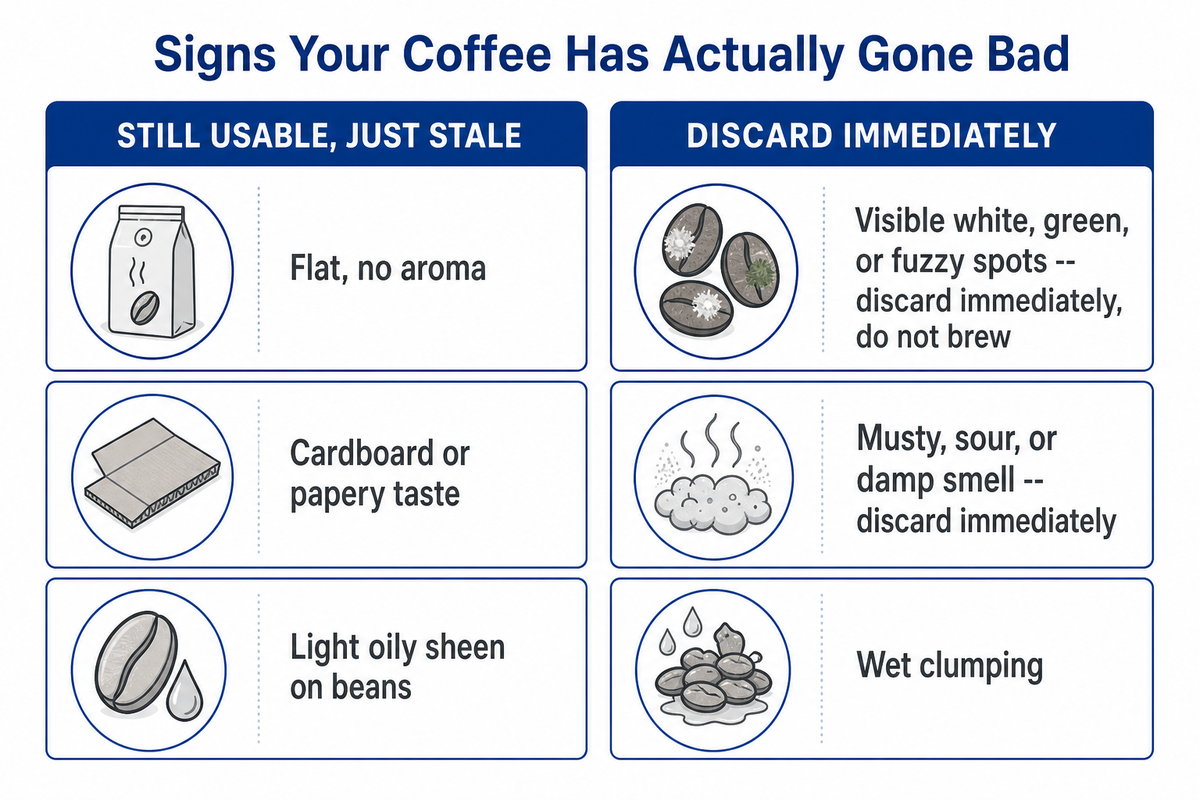
ส่วนใหญ่ของสิ่งที่ผู้บริโภครับรู้ว่าเป็น “กาแฟหมดอายุ” จริงๆลงมาเล็ก ๆ น้อย ๆ กว่ากาแฟเก่า มีความแตกต่างที่ละเอียดอ่อนแต่มีนัยสําคัญในลักษณะและพฤติกรรมของทั้งสองรูปแบบที่ช่วยให้ความแตกต่างอย่างรวดเร็ว การเรียนรู้วิธีการแยกแยะกาแฟเก่าจากกาแฟ “”ruined” อย่างแท้จริงนั้นมีความสําคัญมากกว่าการใส่ใจกับถุงถั่วอย่างใกล้ชิด ตารางเหล่านี้แยกแยะคุณภาพเท่านั้นเพียงตัวชี้วัดความงามจากสัญญาณเตือนระดับทิ้งทันทีซึ่งหมายความว่าถึงเวลาโยนกาแฟอย่างแท้จริง.
| ประเภทสัญญาณ | สาเหตุที่เป็นไปได้ | ยังใช้งานได้อยู่ไหม? | การดําเนินการที่แนะนํา |
|---|---|---|---|
| แบนไม่มีกลิ่นหอม | ออกซิเดชัน CO2 มีก๊าซเหลืออยู่ | ใช่ แค่เก่า | ใช้สําหรับชงเย็นหรือเปลี่ยนใหม่ |
| รสชาติกระดาษแข็งหรือกระดาษ | ออกซิเดชันแบบขยาย | ใช่ | ชงให้แรงขึ้นหรือเปลี่ยนใหม่เร็วๆ นี้ |
| มันเงาอ่อนบนถั่ว | น้ํามันคั่วธรรมดาหรือถั่วที่ผ่านช่วงไพรม์ไปแล้ว | ปกติแล้วใช่ | ตรวจสอบกลิ่นก่อนชง |
| จุดสีขาว สีเขียว หรือคลุมเครือที่มองเห็นได้ | แม่พิมพ์จากการบุกรุกของความชื้น | ไม่ | ทิ้งทันทีอย่าชง |
| กลิ่นอับ เปรี้ยว หรือชื้น | การปนเปื้อนความชื้น | ไม่ | ทิ้งทันที |
| การจับตัวเป็นก้อนแบบเปียก (ทันทีหรือพื้นดิน) | การดูดซึมความชื้น | ไม่ | ทิ้ง อย่าให้น้ําคืนหรือใช้ |
| ผลึกน้ําแข็งบนถั่วแช่แข็ง | การปั่นจักรยานแบบแช่แข็งละลาย การควบแน่น | ใช่ ลดคุณภาพลง | ใช้เร็วๆ นี้ หลีกเลี่ยงการแช่แข็งซ้ํา |
| มีผีเสื้อกลางคืนหรือแมลงในตู้กับข้าวอยู่ | การปนเปื้อนศัตรูพืช | ไม่ | ทิ้ง ตรวจสอบพื้นที่จัดเก็บ |
| การเปลี่ยนสีเทาหรือสีเขียว | ออกซิเดชันหรือการปนเปื้อนที่อาจเกิดขึ้น | ขึ้นอยู่กับ | ทิ้งหากจับคู่กับกลิ่นหรือเชื้อรา |
มันมีการเน้นว่าเบาะแสทางประสาทสัมผัสสําหรับการตัดสินคุณภาพและความเหม็นอับ ลักษณะ กลิ่น รสชาติ „เป็นที่น่าสังเกตเชื่อถือได้สําหรับกาแฟแห้งเพราะระดับความชื้นต่ําจนการแพร่กระจายของเชื้อโรคเป็นเรื่องยาก การตรวจสอบเหล่านี้ไม่ได้ให้การป้องกันที่เพียงพอสําหรับอาหารเปียกเช่นกาแฟชงหรือชงเย็น ตาม คําแนะนําผู้บริโภคของ FDA เกี่ยวกับการจัดเก็บอาหาร, อาหารสามารถทําให้เกิดการเจ็บป่วยได้แม้ว่าจะมีลักษณะ กลิ่น และรสชาติปกติ ซึ่งเป็นจริงโดยเฉพาะกับผลิตภัณฑ์กาแฟเปียกเมื่อเปรียบเทียบกับชนิดแห้งที่วางอยู่ในตู้กับข้าว.
การดื่มกาแฟหมดอายุปลอดภัยหรือไม่?
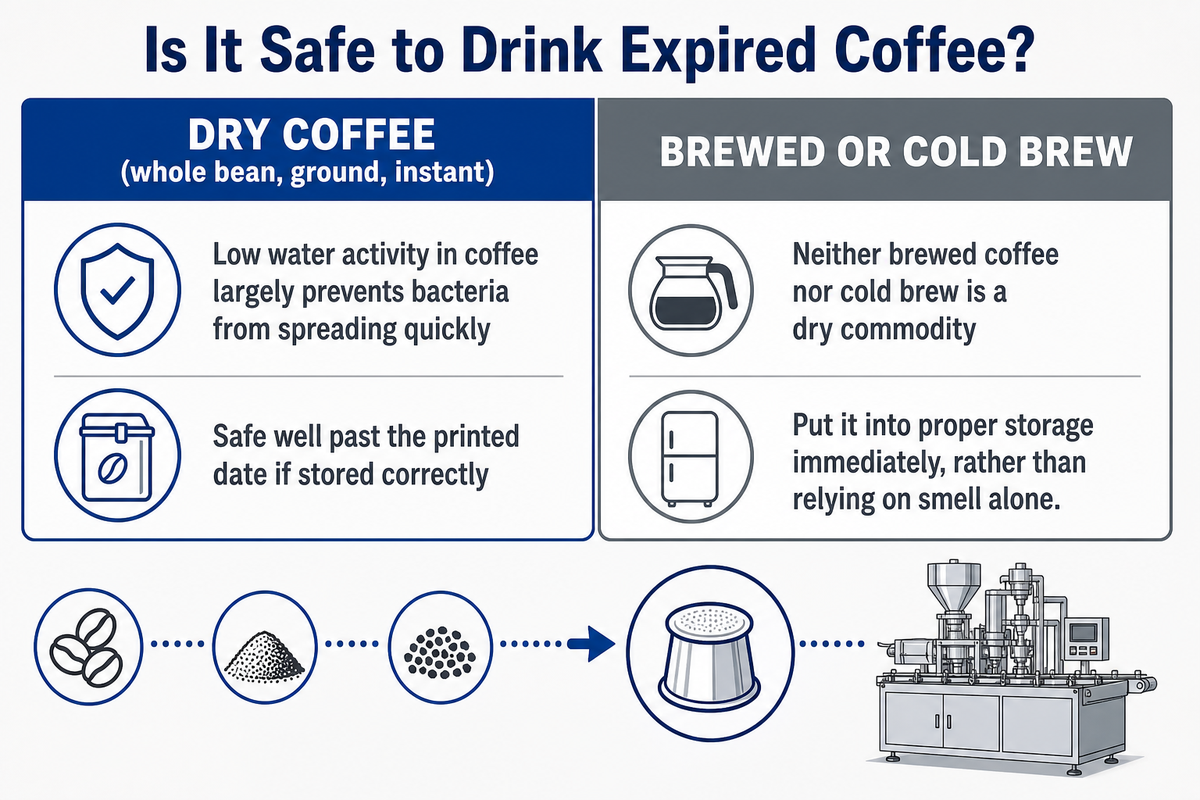
สําหรับถั่วทั้งเมล็ดกาแฟบดหรือกาแฟแห้งทันทีคําตอบคือใช่เน้นสมมติว่าคุณเก็บกาแฟอย่างถูกต้องและมันไม่แสดงสัญญาณระดับทิ้งที่ระบุไว้ข้างต้นที่เรียกร้องให้กําจัด กิจกรรมน้ําต่ําในกาแฟส่วนใหญ่ป้องกันไม่ให้แบคทีเรียแพร่กระจายอย่างรวดเร็วซึ่งเป็นเหตุผลว่าทําไม บริการตรวจสอบความปลอดภัยด้านอาหารของ USDA ถือว่าวันที่พิมพ์บนถุงกาแฟเป็นตัวบ่งชี้คุณภาพ ซึ่งตรงข้ามกับวันที่กําหนดในการกําจัด.
แต่ตัวเลขนั้นมีการเปลี่ยนแปลงเมื่อกาแฟเปียก ทั้งกาแฟที่ชงหรือเบียร์เย็นเป็นสินค้าแห้งและ “มีกลิ่นดี” เป็นตรวจสอบคุณภาพเป็นเมตริกที่เชื่อถือได้น้อยกว่ามาก นี้จะจริงโดยเฉพาะอย่างยิ่งสําหรับการชงเย็นถ้ามันใช้เวลาไม่แช่เย็นหรือถูกหมักเป็นชุดที่อุณหภูมิที่ไม่สามารถควบคุมได้ บัญชีในโลกแห่งความเป็นจริงจากชุมชนนักดื่มกาแฟมักจะดูเหมือนจะสอดคล้องกับปลายแห้งของกาแฟ: หนึ่งการอภิปรายฟอรั่มระยะยาวเกี่ยวกับกาแฟบดเก่าสรุปมัน “ไม่จําเป็นต้องหมดอายุแต่มันก็เก่าไป มันควรจะโอเคสําหรับการบริโภคถ้ามันถูกปิดผนึก ”ซึ่งเป็นจุดเฉพาะสําหรับการค้นพบทั่วไป.
ที่อื่น มีความสับสนระหว่างหมดอายุและดีที่สุดก่อนหน้านี้ โดยนักดื่มกาแฟคนหนึ่งอธิบายความแตกต่างว่า หมดอายุอาจหมายความว่าไม่ปลอดภัยหรือไม่ปลอดภัยในไม่ช้า แต่ที่ดีที่สุดก่อนหน้านี้หมายความว่ายังคงปลอดภัยแต่รสชาติไม่ดีอีกต่อไป สําหรับเครื่องดื่มโดยทั่วไป สิ่งนี้ค่อนข้างแม่นยํา แม้ว่าอย่างที่เราเคยเห็นทั้งคําว่าหมดอายุหรือคําว่า “ดีที่สุดก่อน” บนกาแฟไม่ได้บ่งบอกถึงเกณฑ์ความปลอดภัยที่แท้จริง.
ใช้สิ่งนี้เป็นกฎทั่วไปของหัวแม่มือ: สําหรับผลิตภัณฑ์กาแฟแห้งไปโดยกลิ่น แต่เมื่อมันถูกต้มและโดยเฉพาะอย่างยิ่งเมื่อมันกลายเป็นเบียร์เย็นใส่ลงในที่เก็บที่เหมาะสมทันทีเช่นเดียวกับเครื่องดื่มอื่น ๆ แทนที่จะอาศัยกลิ่นเพียงอย่างเดียว.
วิธีเก็บกาแฟเพื่อชะลอนาฬิกา
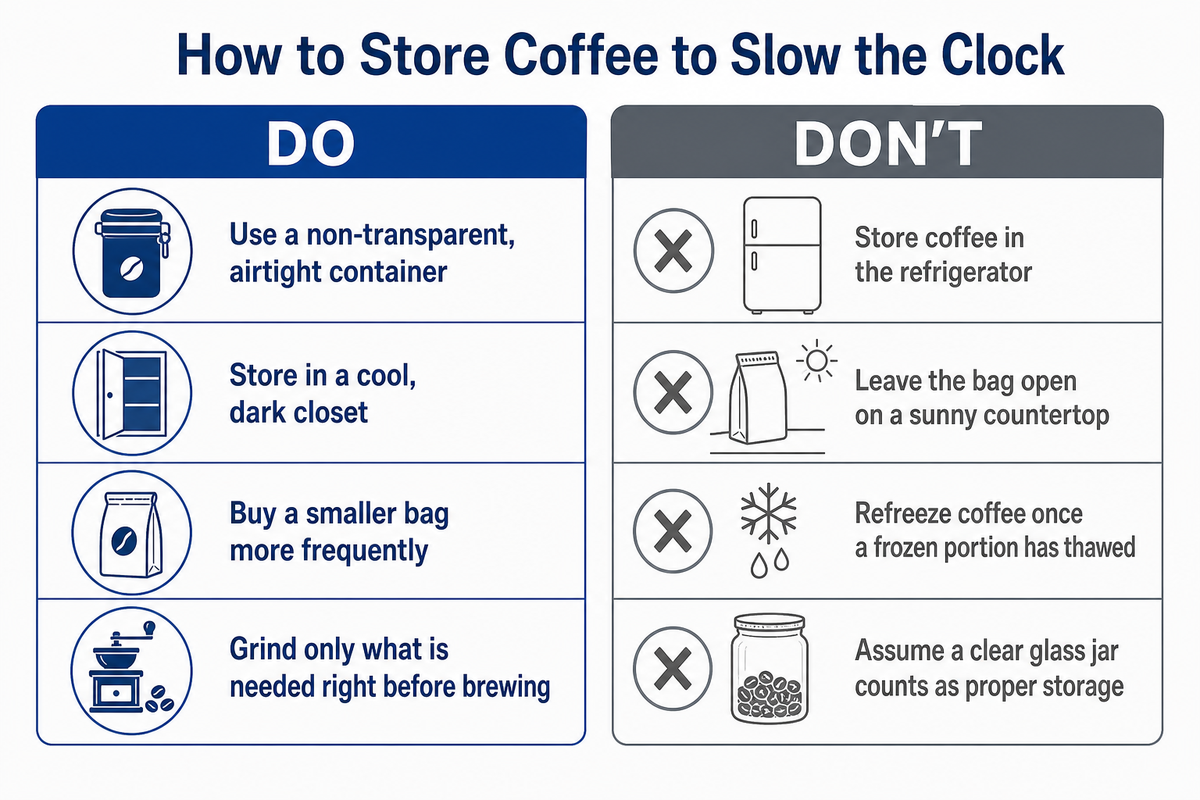
คําแนะนําที่ง่ายที่สุดสําหรับการรักษากาแฟของคุณจากการสูญเสียบานพับรสชาติเกี่ยวกับวิธีการเก็บกาแฟ 3 แม้แต่ตู้กับข้าวหรือตู้เล็ก ๆ น้อย ๆ ออกจากเตาของคุณดีกว่าถุงนั่งอย่างเปิดเผยบนเคาน์เตอร์ เก็บกาแฟให้ห่างจากความร้อนและแสงที่มากเกินไปในที่เย็นและมืดและเมื่อคุณฉีกเปิดบรรจุภัณฑ์แล้วมันจะสูญเสียทั้งรสชาติและกลิ่นหอมในทุกช่วงเวลาของการสัมผัสกับอากาศ ผู้ซื้อที่ซื้อกาแฟเป็นกลุ่มควรแยกถุงขนาดใหญ่ออกเป็นส่วน ๆ ที่อากาศถ่ายเทได้น้อยลงแทนที่จะเปิดและปิดถุงหนึ่งใบอย่างต่อเนื่องเป้าหมายเสมอคือกาแฟที่มีรสชาติดีทุกครั้งที่คุณชงจริง.
คู่มือส่วนใหญ่เห็นด้วยกับวิธีที่ดีที่สุดในการเก็บเมล็ดกาแฟและเก็บกาแฟของคุณโดยรวม: ภาชนะสุญญากาศเก็บความเย็นและมืดช่วยให้กาแฟสดได้นานกว่าถุงที่ถูกตัดปิดและทิ้งไว้บนเคาน์เตอร์ เคล็ดลับเหล่านี้เพื่อให้กาแฟของคุณสดใช้ทั้งถั่วบดและรูปแบบทันทีและขั้นตอนง่ายๆสองสามขั้นตอนที่ใช้กับกาแฟเพื่อยืดอายุการเก็บรักษาไปไกล เก็บไว้แบบนี้กาแฟยังคงปลอดภัยและมีรสชาติพอสมควรผ่านวันที่พิมพ์ไม่ว่าคุณจะซื้อกาแฟโดยถุงหรือพึ่งพาการสมัครสมาชิกกาแฟเพื่อประสบการณ์กาแฟโดยรวมที่ดีขึ้น ปิดผนึกอย่างถูกต้องกาแฟสามารถอยู่ได้นานกว่าวันที่พิมพ์โดยไม่กลายเป็นไม่ปลอดภัย.
ไม่ว่าคุณจะเลือกวิธีการจัดเก็บแบบใดการเก็บเก่าไม่ใช่สิ่งที่สามารถหยุดได้เต็มที่แต่มันจะเลื่อนออกไปอย่างมีนัยสําคัญ โดยเชี่ยวชาญกฎง่ายๆบางสัปดาห์หรือเดือนของอายุการใช้งานของความสดแห้งของคุณในรูปแบบแห้งใด ๆ สามารถเรียกคืนได้ ตามข้อ NCA (สมาคมกาแฟแห่งชาติ) เช่นเดียวกับสถาบันการศึกษา (โครงการวิจัยกาแฟ-วิทยาศาสตร์ เช่น ศูนย์กาแฟยูซี เดวิส) องค์ประกอบสามประการคุกคามกาแฟสดในรูปแบบแห้งทั้งหมด ได้แก่ แสง อากาศ และความชื้น ซึ่งทั้งหมดนี้ทําให้ความอบอุ่นแย่ลง.
- ใช้ภาชนะที่ไม่โปร่งใสและสุญญากาศอย่าใช้คลิปที่ให้มาแต่เดิมเพื่อปิดถุง
- เก็บในตู้เสื้อผ้าที่เย็นและมืดและอยู่ห่างจากเตาอบหรือเตา
- ซื้อกระเป๋าใบเล็กบ่อยกว่ากระเป๋าใบใหญ่ใบเดียวที่เปิดทิ้งไว้หลายเดือน
- บดเฉพาะสิ่งที่จําเป็นก่อนต้ม
- เก็บกาแฟไว้ในตู้เย็น
- เปิดกระเป๋าทิ้งไว้บนเคาน์เตอร์ที่มีแสงแดดส่องถึง
- แช่แข็งกาแฟอีกครั้งเมื่อส่วนที่แช่แข็งละลายแล้ว
- สมมติว่าขวดแก้วใสถือเป็นการจัดเก็บที่เหมาะสม
เครื่องทําความเย็นสมควรได้รับการกล่าวถึงเป็นพิเศษ นี่เป็นนิสัยที่พบได้บ่อยเกินไปแต่ต่อต้าน เนื่องจากภาชนะเย็นมีอุณหภูมิสูงขึ้นถึงอุณหภูมิห้องการควบแน่นจะเกิดขึ้นบนพื้นผิวและความชื้นนั้นทํางานต่อต้านความพยายามของเราในการทําให้กาแฟแห้ง.
แม้ว่ากาแฟอาจดูเหมือนง่ายที่จะเก็บการอภิปรายใด ๆ ในหมู่นักดื่มกาแฟที่บ้านเกี่ยวกับวิธีที่ดีที่สุดในการเก็บกาแฟแห้งอันมีค่าของพวกเขาในระยะยาวมักจะจบลงที่เครื่องทําความเย็นแบบจุดเดียวนี้เพียงเพิ่มการสัมผัสความชื้นเมื่อเทียบกับการเก็บกาแฟไว้ในภาชนะที่ปิดสนิทและเรียบง่ายในตู้แห้ง การแช่แข็งในส่วนที่เล็กกว่าเป็นข้อยกเว้น แยกมันออกก่อนที่คุณจะแช่แข็งและดึงออกมาหนึ่งหรือสองจํานวนเล็ก ๆ เพื่อละลายในแต่ละครั้งแทนที่จะเปิดและปิดถุงหรือภาชนะขนาดใหญ่หลายครั้ง.
คําตัดสินของ Sniff-Look-Taste
ไม่ว่าเป้าหมายของคุณสําหรับกาแฟของคุณในแต่ละเช้าและทุกเช้าคือความสดสูงสุดหรือคุณกําลังพึ่งพาการสมัครใช้งานรายเดือนของกาแฟที่มาถึงหน้าประตูบ้านของคุณซึ่งเป็นส่วนหนึ่งของพิธีกรรมกาแฟปกติของคุณนิสัยที่ดีที่สุดยังคงอยู่ มีสิ่งที่ง่ายอย่างน่าประหลาดใจที่คุณสามารถทําได้เพื่อยืดอายุการใช้งานของกาแฟของคุณ “อากาศเข้า, มืด, เย็น, และบริโภคเมื่อถึงจุดสูงสุดคือกฎทองสําหรับการรักษากาแฟที่ดีและสําหรับการเพลิดเพลินกับรสชาติที่เหมาะสมยิ่งทั้งหมดที่คุณเลือกกาแฟนั้นในตอนแรก โดยวิธีการเหล่านี้กาแฟแห้งที่ดีสามารถยังคงปลอดภัยและอย่างน้อยก็น่ารับประทานน้อยที่สุดเป็นระยะเวลานานกว่าพิมพ์ ”ดีที่สุดตามวันที่”.
หากถุงได้รับการอ้อยอิ่งสําหรับบางเวลาที่มีการทดสอบอย่างรวดเร็วสามเพื่อแก้ไขข้อสงสัยมากที่สุดในเวลาประมาณหนึ่งนาที ครั้งแรกให้มันสูดดม: กาแฟสดเก็บรักษาไว้อย่างดีอุดมไปด้วยและไม่ซ้ํากันในขณะที่กาแฟเก่าแบนหรือมีฝุ่นอาจมีกลิ่นเหมือนกระดาษแข็งเก่า หากกาแฟมีกลิ่นอับหรือเปรี้ยวโยนทันทีเนื่องจากกาแฟขึ้นราเป็นอันตราย ประการที่สองตรวจสอบมันสําหรับลักษณะ: ดีกาแฟแห้งควรจะหลวมและฟรีของการจับตัวเป็นก้อนการเปลี่ยนสีอย่างมีนัยสําคัญหรือสัญญาณของเชื้อราและสิ่งที่เปียกจับตัวเป็นก้อนหรือเชื้อราควรทิ้ง ประการที่สามหากการตรวจสอบข้างต้นผ่านให้จิบเล็กน้อย: กาแฟเก่าจะมีรสชาติแบนและอาจจะมีรสชาติที่เย็น แต่ดื่มได้อย่างปลอดภัย.
เกี่ยวกับการวิเคราะห์นี้
คู่มือนี้ดึงเอาคําแนะนําในการติดฉลากอาหารของ USDA และ FDA การวิจัยการจัดเก็บกาแฟที่ผ่านการตรวจสอบโดยผู้ทรงคุณวุฒิและข้อมูลพื้นการผลิตของ AFPAK เองเกี่ยวกับการปิดผนึกแคปซูลแบบล้างไนโตรเจนที่รวบรวมผ่านเครื่องบรรจุและปิดผนึกแคปซูลกาแฟที่ทีมวิศวกรของเราออกแบบสําหรับผู้ผลิตแคปซูลทั่วโลก ตัวเลขการชะล้างไนโตรเจนที่อ้างถึงสําหรับแคปซูลรูปแบบ K-Cup และ Nespresso มาจากพารามิเตอร์การชะล้างก๊าซที่ใช้ในสายการบรรจุและปิดผนึกของ AFPAK เอง ซึ่งได้รับการยืนยันโดยทีมเทคนิคของ AFPAK.
คําถามที่พบบ่อย
ถาม: คุณสามารถดื่มกาแฟ 2 ปีล้าสมัยได้หรือไม่?
ใช่ กาแฟแห้งที่ยังไม่ได้เปิดซึ่งเลยวันที่พิมพ์ไป 2 ปี มักจะยังปลอดภัยที่จะดื่มหากเก็บไว้แบบปิดผนึก เย็น และแห้ง แม้ว่ารสชาติจะหมองคล้ํากว่ากาแฟสดอย่างเห็นได้ชัดก็ตาม.
ถาม: กาแฟยังดีอยู่ไหมหลังจาก 4 ปี?
กาแฟอายุ 4 ขวบมีแนวโน้มที่จะดื่มได้อย่างปลอดภัยหากยังคงปิดผนึกและแห้งตลอดเวลา แต่คาดว่าจะมีถ้วยแบนๆ ที่ปิดเสียง แทนที่จะเป็นกาแฟสด.
ถาม: กาแฟอายุ 10 ปียังดีอยู่หรือไม่?
โดยทั่วไปแล้วกาแฟแห้งปิดผนึกอายุ 10 ขวบยังคงดื่มได้อย่างปลอดภัย แต่เมื่อถึงจุดนี้ กาแฟจะมีรสชาติเกือบทั้งหมดของภาชนะมากกว่ากาแฟ และคนส่วนใหญ่จะพบว่าไม่คุ้มที่จะต้ม.
ถาม: กฎ 15-15-15 สําหรับกาแฟคืออะไร?
ชวเลขยอดนิยมประการหนึ่งคือกฎ 15-15-15 เป็นแนวทางความสดคร่าวๆ สําหรับกาแฟ แต่ไม่ได้ใช้อย่างสม่ําเสมอ บางแหล่งให้คําจํากัดความว่าเป็น 15 วันนับจากย่างถึงใช้ 15 นาทีจากบดถึงชง และ 15 นาทีถึง ดื่ม ในขณะที่คนอื่นๆ ใช้เพื่ออธิบายอายุการเก็บรักษาถั่วเขียวประมาณ 15 เดือน และรสชาติสูงสุด 15 วันหลังการคั่ว.
ถาม: กาแฟหมดอายุหรือไม่หากไม่ได้เปิด?
กาแฟที่ยังไม่ได้เปิดจะไม่หมดอายุอย่างแท้จริง แต่จะค่อยๆ สูญเสียรสชาติแม้จะปิดผนึกไว้ โดยทั่วไปจะคงคุณภาพไว้ใกล้จุดสูงสุดเป็นเวลา 6-9 เดือน (ทั้งเมล็ด) หรือ 3-5 เดือน (บด) เลยวันคั่ว.
ถาม: กาแฟหมดอายุในตู้เย็นหรือไม่?
การเก็บกาแฟแห้งไว้ในตู้เย็นไม่ได้ทําให้กาแฟหมดอายุโดยตรง แต่จะทําให้เกิดการควบแน่นทุกครั้งที่นําภาชนะออกและแช่เย็นอีกครั้ง ซึ่งจะช่วยเร่งความเหม็นอับแทนที่จะชะลอความเร็ว.
ถาม: อายุการเก็บรักษาของฝักกาแฟคืออะไร?
อายุการเก็บรักษาฝักกาแฟและแคปซูลขึ้นอยู่กับวิธีการปิดผนึกแต่ละฝักแทนที่จะเป็นตัวเลขคงที่ แคปซูลที่ล้างด้วยไนโตรเจนซึ่งมีฟิล์มกั้นที่แข็งแกร่งมักจะเก็บรสชาติไว้เป็นเวลา 6-12 เดือนหรือนานกว่านั้น ในขณะที่ฝักที่ปิดผนึกโดยไม่มีการล้างด้วยแก๊สมักจะอยู่ได้นานกว่าและแปรผันได้มากกว่า.
ข้อมูลอ้างอิงและแหล่งที่มา
- การออกเดทผลิตภัณฑ์อาหาร บริการตรวจสอบความปลอดภัยด้านอาหารของ USDA
- USDA-FDA ค้นหาข้อมูลเกี่ยวกับการติดฉลากวันที่ในอาหาร สํานักงานคณะกรรมการอาหารและยาแห่งสหรัฐอเมริกา
- คุณเก็บอาหารอย่างปลอดภัยหรือไม่? สํานักงานคณะกรรมการอาหารและยาแห่งสหรัฐอเมริกา
- การติดฉลากวันที่อาหาร (AB 660) กรมอาหารและการเกษตรแคลิฟอร์เนีย
- ป้ายวันที่และกฎหมายแคลิฟอร์เนียใหม่ ศูนย์กฎหมายเกษตรแห่งชาติ
- การเปลี่ยนแปลงลักษณะคุณภาพทางประสาทสัมผัสของกาแฟระหว่างการเก็บรักษา สถาบันสุขภาพแห่งชาติ PMC
- ความสัมพันธ์ระหว่างคุณภาพกาแฟกับสภาพการเก็บรักษา สถาบันเทคโนโลยีอาหาร (ห้องสมุดออนไลน์ Wiley, peer-reviewed)
- การจัดเก็บและอายุการเก็บรักษา สมาคมกาแฟแห่งชาติ
- การวิจัยกาแฟ ศูนย์กาแฟยูซี เดวิส
- แนวทางการเก็บรักษาอาหารสําหรับผู้บริโภค การขยายสหกรณ์เวอร์จิเนียเทค
- การศึกษาฟิล์มบรรจุภัณฑ์ฝักกาแฟ โมเลกุล (MDPI, ตรวจสอบโดยผู้ทรงคุณวุฒิ)
- การอยู่รอดของเชื้อโรคในการศึกษากาแฟเบียร์เย็น PubMed (ตรวจสอบโดยผู้ทรงคุณวุฒิ)
บทความที่เกี่ยวข้อง
- การป้องกันไนโตรเจนปฏิวัติความสดของแคปซูลกาแฟอย่างไร? รายละเอียดทางเทคนิคด้านการผลิตของกระบวนการล้างแก๊สที่อ้างอิงข้างต้น
- วิธีการเพิ่มอายุการเก็บรักษาของแคปซูลกาแฟ ปัจจัยการบด บรรจุภัณฑ์ และการเก็บรักษาสําหรับผู้ผลิตแคปซูล
- Nespresso กับ Dolce Gusto: คุณต้องการผลิตแคปซูลกาแฟชนิดใด?
- บรรจุภัณฑ์แบบผงในฝา: การวิเคราะห์ความมีชีวิต


