
Materiale Nespresso Pod: Compoziția capsulei din aluminiu vs plastic explicată
În fiecare zi, mii de păstăi Nespresso sunt perforate, pompate pline cu apă fierbinte și aruncate, dar puțini consumatori de cafea sunt conștienți de din ce sunt fabricate de fapt acele capsule din plastic sau aluminiu și nici de modul în care materialele utilizate le pot afecta prepararea. Pentru proprietarii de mărci care aleg materialul de construcție a capsulelor, pentru consumatorii care caută microplastice sigure sau pentru managerii de producție OEM care pregătesc sistemele de umplere, calitatea materialului capsulei influențează prospețimea, gustul, sănătatea și reciclabilitatea berii. În acest ghid, acoperim metalele specifice, acoperirile, polimerii și toleranțele de inginerie din spatele păstăilor de cafea din aluminiu și plastic, cu sprijinul orientărilor de reglementare și al cercetărilor evaluate de colegi.
Specificații rapide (Quick Specs) Materiale pentru capsule (Re) Nespresso
| Materialul capsulei primare | Aluminiu (aliaj 8011-O /8079-O) |
| Grosimea peretelui | 0,07 până la 0,12 mm |
| Acoperire interioară | Lac alimentar (pe bază de epoxi, BPA NIA, fără PVC) |
| Material capac | Folie de aluminiu cu suport pentru filtru de hârtie |
| Greutatea capsulei (goală) | ~1,0 și 1,3 g |
| Greutatea umpluturii de cafea | 5,0 tight6,2 g per capsulă |
| Conținut reciclat | 80% aluminiu reciclat (Linia originală) |
Din ce sunt fabricate de fapt capsulele Nespresso
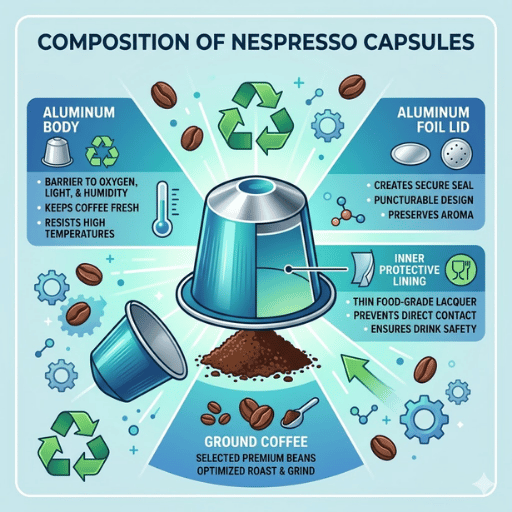
Capsulele Nespresso sunt fabricate în întregime din aluminiu în mod specific, aliaj 8011-O sau 8079-O, cu o barieră interioară de lac de calitate alimentară concepută pentru a preveni contactul direct între cafeaua prăjită și metal. Capacul său este folie de aluminiu susținută de un filtru de hârtie nețesut, în timp ce marginea exterioară a capsulei conține un inel de etanșare din non-aluminiu.
Utilizarea aluminiului se aplică atât la aparatele Nespresso Original, cât și la Vertuo. Nespresso a recunoscut compatibilitatea sa cu “capsule” parțial pe bază de aluminiu, pe lângă cele fabricate în întregime din aluminiu, în timp ce un purtător de cuvânt a declarat că corpul principal și capacul capsulelor Vertuo sunt din aluminiu, doar capacul fiind format din folie.
Din 2020, capsulele originale Nespresso au fost produse cu aluminiu reciclat 80%, pe baza unui comunicat de presă Nestlé care subliniază progresul economiei sale circulare. În 2024, compania a dezvăluit că 88% din gamele Vertuo conțin aluminiu post-industrial 85%.
În ceea ce privește motivul pentru care Nespresso a respins materialele plastice în favoarea aluminiului, răspunsul poate fi găsit în rezistența lor impresionantă la oxigen.Această barieră ajută la protejarea prospețimii, oferind clienților depozitarea cafelei până la 12 luni fără a fi nevoie de spălarea azotului (în timp ce blochează pătrunderea luminii și a umidității (alți factori cheie pentru deteriorarea fripturii).Consultați ghidul nostru privind formatul capsulei și materialele pentru o comparație a diferitelor modele.
În rezumat: toate capsulele de cafea Nespresso (Original & Vertuo ) sunt fabricate din aluminiu. dacă vă aprovizionați cu capsule terțe compatibile, acestea pot conține în schimb materiale plastice nealuminiu sau polimeri compostabili.
Aluminiu Pod de cafea Construcție „Tu Strat cu Strat“
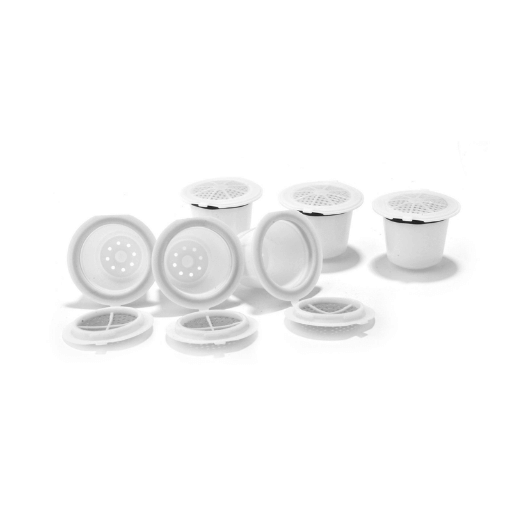
Pregătirea unei singure cupe de aluminiu Nespresso capsulă începe cu formarea unui semifabricat bobină ranforsată. de acolo, și după asamblare la o margine inel de etanșare, capsula este format din prese de tragere profundă care aduc forma la conturul său final, rotunjit.Studiați tehnologiile de construcție pentru a afla de ce aluminiul este favorizat ca material de ambalare premium pentru băuturi calde.
Învelișul capsulei de aluminiu este format din aliaj 8011-O, cu folie de aluminiu realizată dintr-un temperament “O” tocit care a fost complet recoaptă. prelucrare de ultimă generație permite ca foaia să fie trasă într-o cupă foarte adâncă la o grosime de 0,07-0,12 mm fără microfisuri, pentru o etanșare premium etanșă la oxigen. în chilipir, celălalt aliaj de categorie comună, 8079-O, este, de asemenea, considerat adecvat pentru procesul de tragere profundă pentru a produce aplicații de formare a capsulelor la grosimi similare.
Lacul interior este fie un strat epoxidic sau poliester de calitate alimentară, aplicat înainte de formarea capsulei. Aceste lacuri formează un strat inert care blochează orice contact carbon-carbon sau carbon-aluminiu cu cafeaua. Ambele lacuri sunt BPA NIA (nu sunt adăugate în mod intenționat) și fără PVC și au fost testate la cerințele regulamentului US FDA 21 CFR 175.300 pentru acoperiri rășinoase și polimerice în contact cu alimentele.
Acoperirea exterioară este suprafața imprimată a capsulei, ceea ce permite brandingul și identificarea tipurilor de arome. Nespresso își colorează capsulele în funcție de profilul aromei, origine, intensități și oricare dintre atributele pe care doresc să le comunice.
Capacul foliei este folie separată de aluminiu, sigilată termic peste capsula umplută. o hârtie de filtru subțire separă capacul foliei de zațul de cafea, oprind intrarea finelor în cafeaua preparată. în timpul procesului de perforare și preparare a capsulei, capacul foliei trebuie să reziste la presiunea pistonului de perforare a aparatului Nespresso și la debitul de preparare ulterioară.
Proprietățile de barieră sunt motivul principal pentru utilizarea aluminiului ca standard de aur în ambalajele capsulelor. Oferă o barieră aproape perfectă în calea transmiterii oxigenului (mai puțin de 0,5 cc/m²/zi), ceea ce reduce semnificativ rata de fermentare a aromaticelor volatile. Aluminiul nu permite nici intrarea umidității, umidității sau luminii, oferind o barieră triplă de jur împrejur pentru potențiala penetrare a aromei de cafea prăjită, timp de 9-12 luni de la data fabricării, fără a fi nevoie de spălare cu azot, așa cum este cazul altor materiale plastice.
Notă de inginerie
Un aliaj din seria 8011-O 0,07-0,12 mm oferă ductilitatea necesară pentru a forma o capsulă de tragere adâncă fără micro-fisurare. specificațiile FDA 21 CFR 175.300 pentru lacul interior arată niveluri generale de migrare sub 10 mg/dm².
La AFPAK folosim aceste specificații în mod regulat în mașinile noastre de umplere și etanșare a capsulelor. capsule de aluminiu Deep draw sunt supuse anumitor toleranțe dimensionale, care au un impact direct asupra preciziei de umplere și a capacității sistemului de a sigila cu succes.
Takeaway cheie: În construcția capsulei de aluminiu, există, de fapt, patru straturi dintr-un aliaj de corp, lac interior, strat de imprimare și capac din folie și fiecare are avantajele sale care au un impact pozitiv asupra prospețimii și siguranței alimentelor.
Păstăi de cafea din plastic (Plastic Coffee Pods) Materiale, grade și limitări
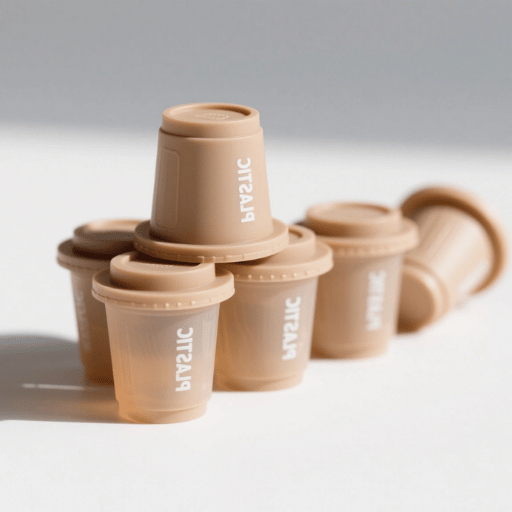
Aproape 60% din toate capsulele de cafea utilizate în lume sunt din plastic, mai degrabă decât din aluminiu. capsule compatibile cu terțe părți concepute pentru a se potrivi în Nespresso, Keurig și sisteme similare tind să utilizeze bio-plastice sau PP (#5 polipropilenă).De obicei, materialul primar al corpului este PP.
Polipropilena PP #5 este una dintre cele mai comune clase de plastic utilizate de producătorii de capsule de cafea și este în mod inerent fără BPA (nu este nevoie de bisfenol-A în producția sa), este aprobată de FDA pentru contactul cu alimentele și este reglementată de Regulamentul UE (CE) nr. 1935/2004. Este stabilă termic până la aproximativ 130 °C, astfel încât capsula rămâne intactă structural și sănătoasă în timpul proceselor de preparare a mașinilor precum Nespresso la temperaturi de 92 96 °C.
Cu toate acestea, materialele plastice au un dezavantaj semnificativ prin faptul că sunt semi-permeabile la oxigen. Aluminiul oferă o barieră absolut completă în calea oxigenului, dar clasele de plastic, cum ar fi polipropilena, vor absorbi oxigenul, este doar un factor de “cât de mult”. Pentru a păstra prospețimea cafelei, autorii cercetării folosesc spălarea cu azot pentru a înlocui oxigenul rămas în capsulă cu azot gazos inert. O cerere de valabilitate nu poate fi stabilită numai din spălarea cu azot. Validați capsula finită, capacul, sigiliul și condițiile de depozitare prin testarea produsului înainte de a specifica cât timp cafeaua își va păstra calitatea.
O zonă de îngrijorare tot mai mare față de materiale plastice este eliberarea de microplastic. A recenzie 2026 publicată de GlobalRPH, desen din mai multe surse evaluate de colegi, afirmă că capsulele de cafea din plastic “pot genera peste 10.000 de particule de microplastic pe ceașcă.” Principala variabilă este temperatura. Mai mult de 50% din toate particulele de plastic sunt eliberate atunci când apa este încălzită >50 C, ceea ce se întâmplă întotdeauna în procesul de tragere a unui espresso.
Avantajele păstăilor de plastic
- Cost unitar mai mic al materialului ($0,01 ore 0,02 per capsulă)
- Fără BPA prin natură (PP #5)
- Stabilitate termică la ~130° C
- Compatibil cu metodele de etanșare cu ultrasunete
️ Limitări ale păstăilor de plastic
- Bariera de oxigen semi-permeabilă (necesită spălare cu N2)
- Perioada de valabilitate mai scurtă (6 luni 9 față de 9 ani 12)
- >10.000 de particule de microplastic pe cană
- Poate absorbi aromaticele volatile ale cafelei
- Rate mai mici de acceptare a reciclării municipale
Lecție cheie: Materialele plastice sunt mai ieftine pe unitate și pot tolera temperaturi mai ridicate de preparare, dar permeabilitatea lor mai mare la oxigen, durata de valabilitate redusă și eliberarea microplasticului le fac un compromis de material special pentru aluminiu.
Materiale capsule din aluminiu vs plastic Comparație side-by-side
O comparație cap-la-cap de aluminiu la capsule de plastic pentru fabricarea capsulelor de cafea implică mai mult decât costurile materiale. această comparație side-by-side trece prin 8 dimensiuni care proprietarii de brand, echipele de producție și consumatorii eco-conștient pasă.
| Dimensiune | Aluminiu | Plastic (PP #5) |
|---|---|---|
| Bariera de oxigen | Aproape perfect (<0,5 cc/m²/zi) | Semi-permeabil (necesită spălare N2) |
| Perioada de valabilitate | 9-12 luni | 6 până la 9 luni (spălat cu azot) |
| Stabilitate temp de bere | Fără deformare la 92,96° C | PP stabil la ~130° C |
| Eliberare de microplastic | Niciuna (barieră metalică) | >10.000 particule/cană |
| Reciclabilitate | Infinit reciclabil (rata reală: 35% la nivel global) | #5 PP reciclabil (tarife municipale mai mici) |
| Conținut reciclat disponibil | 80% aluminiu reciclat | Disponibilitate limitată de PP reciclat |
| Costul unitar al materialului | Mai mare ($0,02 tight0,04/capsulă) | Inferior ($0,01 tichete0,02/capsulă) |
| Aromă Neutralitate | Excelent (barieră de lac) | Bun (poate absorbi aromatice volatile) |
Pentru proprietarii de mărci care trebuie să aleagă formatele de capsule Nespresso, factorul de decizie de comparație poate fi vizualizat într-o matrice 2×2: alegerea imaginii de sensibilitate la costuri sau de calitate. Capsulele din aluminiu au o primă de 0,01 până la 0,02 per capsulă în costul brut de intrare, dar oferă o durată de valabilitate mult mai lungă, precum și un risc zero de microplastic și beneficiul rutei de reciclare existente a Nespresso. Capsulele din plastic pot face economii semnificative de costuri dacă aveți deja o infrastructură de spălare cu azot și deservesc un segment de piață care este mai puțin sensibil la mediu.
Din perspectiva producției, alegerea materialului are, de asemenea, factori în care tipurile de mașini de umplere și etanșare a capsulelor Nespresso sunt relevante și ce game de parametri ai stării de etanșare trebuie să fie susținute, detalii despre care pot fi găsite mai jos.
Concluzie cheie: Aluminiul atinge prospețime și siguranță premium, în timp ce materialele plastice aduc economii de costuri unitare. Decizia dvs. ar trebui să se bazeze pe poziționarea mărcii, infrastructura și cererea pieței.
Sănătate și siguranță (Health and Safety) (De asemenea, păstăile de cafea leșie substanțe chimice)?
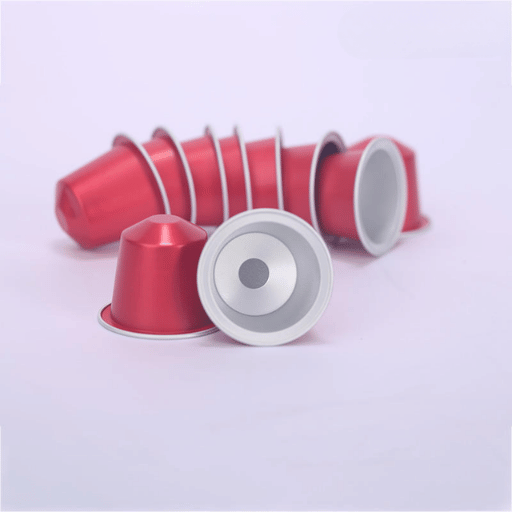
Preocupările care implică utilizarea materialelor în capsulele de cafea se împart în trei categorii: migrarea aluminiului, leșierea BPA din materiale plastice și contaminarea cu microplastic. Iată câteva informații științifice și de reglementare publicate care se adresează fiecăruia pe rând.
Aluminiul se scurge în cafea?
Fiecare capsulă Nespresso este acoperită cu un lac alimentar care împiedică cafeaua să intre în contact direct cu aluminiul. Dar aluminiul încă migrează prin acel strat?
O lucrare din Journal of Food Composition and Analysis a testat migrarea aluminiului din capacele metalice ale capsulelor în cafea preparată și a arătat niveluri de 0,46 mg/kg. Pentru a pune această cifră în perspectivă, Autoritatea Europeană pentru Siguranța Alimentară (EFSA) a stabilit un aport săptămânal tolerabil (TWI) de 1 mg pe kilogram de greutate corporală în avizul său științific din 2008 și că un adult de 70 kg poate consuma în siguranță 70 mg pe săptămână. Dând 0,46 mg/kg din cafea, injecția noastră unică finalizată contribuie cu mai puțin de 1% din ceea ce EFSA consideră un aport săptămânal tolerabil pentru un adult mediu.
EFSA a concluzionat, de asemenea, în acest aviz, că nu există dovezi care să lege consumul alimentar de aluminiu la niveluri alimentare normale de boala Alzheimer, o preocupare declarată de mult timp în conversațiile populare.
Păstăile de plastic nu conțin BPA?
PP #5 polipropilenă este un produs fără BPA în mod natural. BPA nu se găsește în producția de polipropilenă, deoarece este legat de policarbonat (PC) și unele rășini epoxidice. capsule de cafea în PP #5 fabricarea îndeplinesc limita de migrare BPA în ambalaj în conformitate cu EU Reg 10/2011 (materiale plastice ale materialelor în contact cu alimentele), precum și FDA 21 CFR pentru polimerii în contact cu alimentele.
Întrebarea microplastică
Aici devine cel mai diferit de comparația siguranței materialelor. literatura arată că capsulele de cafea din plastic scurg peste 10000 de particule microplastice pe cană la contactul cu apa fierbinte, termic. în plus, așa cum arată creșterea semnificativă a numărului de particule peste 50 C și faptul că cafeaua este preparată la 92-96 C.
Pe de altă parte, păstăile de aluminiu nu emit niciunul dintre microplasticele pe care le fac cele din plastic. Aluminiul fiind un metal, nu un polimer, în schimb nu se dezintegrează în fulgi de polimer, care apoi emit particule de dimensiuni micro atunci când sunt rupte sau încălzite. Acesta este, fără îndoială, cel mai fiabil fapt de siguranță a materialelor pentru capsulele de aluminiu față de opțiunile din plastic, un punct care este din ce în ce mai menționat de conștientizarea pieței, precum și de agențiile de protecție care analizează aplicații de unică folosință.
Punct principal: păstăile de aluminiu nu induc aproape nicio migrare a metalelor (0,15% din EFSA TWI); păstăile de plastic nu conțin BPA, dar emit > 10.000 de particule de microplastic pe cană. În ceea ce privește expunerea chimică potențial periculoasă, capsulele de aluminiu sunt alternativa mai sigură.
Reciclarea capsulelor de cafea „Programe, tarife și provocări din lumea reală“
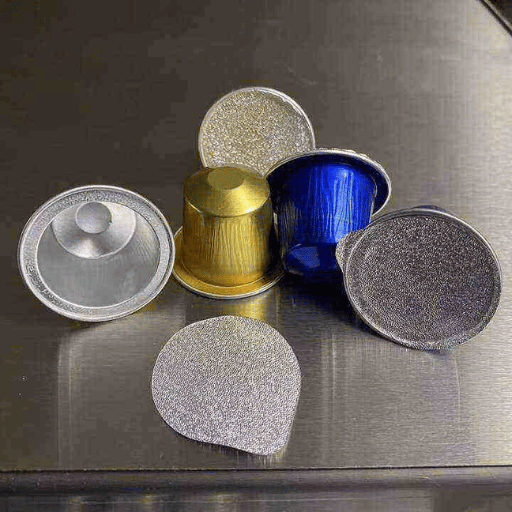
Aluminiul este reciclabil pentru totdeauna fără degradarea proprietăților sale materiale, așa cum materialele plastice nu pot aduce ceva la masă. Cu toate acestea, ‘reciclabile’ și ‘într-adevăr reciclate’ sunt doi markeri de distanță care evidențiază adevărata problemă de mediu a capsulelor de cafea.
Programul de reciclare pentru Nespresso Capsules a fost început în 1991 în țara de origine sau Elveția. De atunci, rețelele de colectare s-au extins în peste 80 de țări și este susținut de 3 canale principale de colectare 1) puncte de colectare dedicate (mai ales la punctele de vânzare cu amănuntul), 2) buticuri Nespresso, 3) pungi preplătite pentru reciclarea prin poștă. Mai mult de 90% dintre capsulele vândute consumatorilor sunt accesibile pentru cel puțin o opțiune de colectare
În ciuda acestei infrastructuri, rata globală de reciclare din 2024 pentru capsulele Nespresso este de aproximativ 35 la sută; compania are o misiune publică (deși nu certificată) de a atinge 60% până în 2030. Această discrepanță ilustrează cea mai mare problemă de comportament, deoarece consumatorii își amintesc să colecteze capsulele Nespresso uzate și să le ducă la un reciclator, nu în reciclarea lor la bord.
În procesul de reciclare zațul de cafea sunt separate de aluminiu. zațul de cafea sunt compostate sau transformate în biogaz, în timp ce aluminiul este topit și apoi alimentat înapoi în fluxul de alimentare cu material. deoarece aluminiul nu se degradează în timpul reciclării, are aceleași proprietăți (forma și dimensiunea granulelor) ca și materialul virgin.
Reciclarea capsulelor de plastic întâmpină diferite obstacole. PP #5 este teoretic reciclabil, totuși serviciile de reciclare la domiciliu și municipale au politici diferite cu privire la astfel de articole. Multe scheme de reciclare de la margine nu acceptă articole mici, cum ar fi capsulele de cafea, iar zațul de la cafeaua măcinată poate duce la respingerea fabricii de sortare.
Opțiunile compostabile – cum ar fi cele fabricate din PLA (acid polilactic) sau pachete pe bază de hârtie – trebuie să poarte acreditarea BPI, iar instalațiile de compostare trebuie să poată atinge și susține temperaturi de peste 58C.
Cum să vă reciclați capsulele Nespresso
- Puneți deoparte capsulele folosite și puneți-le în punga de reciclare pentru Nespresso (furnizată cu toate comenzile sau gratuit)
- Aruncă geanta la cel mai apropiat butic Nespresso, punct de colectare sau aranjează o preluare UPS
- Nu puneți capsule în reciclare la bord, deoarece sunt prea mici pentru a fi sortate după majoritatea sistemelor
- Verifica nespresso.com/recycling pentru locațiile punctelor de colectare din zona dvs
- Pentru capsulele Nespresso Vertuo, se aplică același program, fără a fi nevoie de flux separat
Învățare cheie: capsulele de aluminiu sunt reciclabile la infinit, dar numai aproximativ 35% sunt recuperate în prezent. Reducerea acestui decalaj necesită schimbări de comportament ale consumatorilor, nu știință avansată a materialelor.
Cum afectează materialul capsulei echipamentele de umplere și etanșare a cafelei
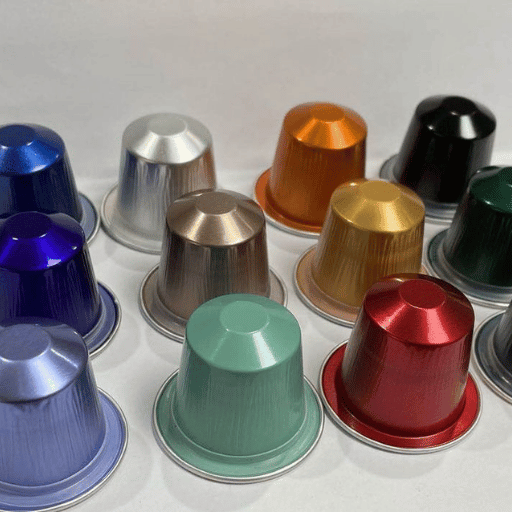
Materialul pe care îl selectați pentru capsula dvs. stabilește parametrii pentru configurația mașinii pe care o necesită linia dvs. de producție Capsulele din aluminiu și plastic au cerințe de etanșare fundamental diferite în ceea ce privește temperatura matriței, presiunea, timpul de așteptare și performanța în mai puțin decât parametrii optimi ai mașinii pot duce la integritatea etanșării compromise, pătrunderea oxigenului și durata de valabilitate redusă.
Etanșarea capsulei de aluminiu depinde de un mecanism de etanșare termică în care o matriță încălzită aplică presiune unui capac etanșat în jurul marginii capsulei. Cei trei parametri principali ai săi sunt temperatura matriței, timpul de păstrare și presiunea de aplicare. Pentru a forma eficient o etanșare, stratul de lac de pe marginea capsulei și capacul trebuie să se înmoaie și să se lipească, dar nu trebuie să afecteze substratul de aluminiu.
Capsulele din plastic pot utiliza fie o căldură-etanșare sau o metodă cu ultrasunete. etanșare cu ultrasunete implică aplicarea de căldură termică locală generată la o frecvență înaltă de la ultrasonicator, care fuzionează capacul la marginea PP fără încălzire largă. în cazul capsulelor care includ un proces de spălare cu azot în capsulă, această metodă permite etanșarea să se formeze rapid după deplasarea gazului a avut loc.
Precizia procesului de umplere poate fi la fel de importantă ca o etanșare puternică. folosind echipamente de umplere de precizie, puteți obține în mod constant o precizie de 0,15 g la 70 de capsule pe minut viteză 0 cv critică pentru extracția repetată și consistența aromei doză-la-doză.
Notă de inginerie
Etanșarea capsulei din aluminiu necesită în mod obișnuit temperatura matriței de 180-220 C la o presiune de 0,3-0,5 MPa cu un timp de așteptare de 0,3-0,8 secunde. capsulele PP se etanșează la temperaturi mai scăzute (140-170 C), dar necesită o sincronizare precisă a spălării azotului înainte de aplicarea capacului.
AFPAK proiectează și produce echipamente de umplere și etanșare a capsulelor de cafea de peste 14 ani, proiectând soluții atât pentru formatele de capsule din aluminiu, cât și din plastic. mașinile noastre de umplere și etanșare a capsulelor Nespresso sunt capabile să găzduiască întreaga gamă de Materiale pentru capsule compatibile cu Nespresso, cu profile de etanșare personalizate dezvoltate pentru fiecare format.
Învățare cheie: alegerea materialului determină metoda de etanșare, intervalul de temperatură, sincronizarea spălării cu azot și debitul realizabil. Selectarea unei configurații de mașină optimizată pentru materialul capsulei este cheia pentru producerea unei etanșări eficiente.
Întrebări frecvente
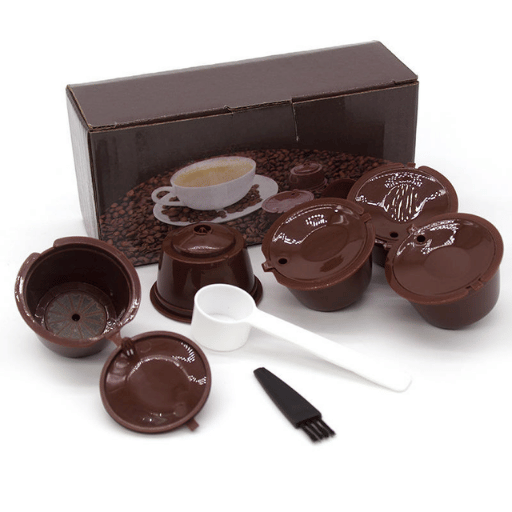
Păstăile Nespresso sunt fabricate din aluminiu sau plastic?
Vezi răspunsul
Toate capsulele oficiale Nespresso (atât Original Line, cât și Vertuo) conțin aluminiu cu un strat de lac pe suprafața interioară. Alte compatibilități ale terților vor conține plastic (PP #5) și pot fi materiale compostabile, inclusiv PLA.
Din ce sunt făcute păstăile Nespresso Vertuo?
Vezi răspunsul
Capsulele Vertuo utilizează aceeași construcție din aluminiu ca și capsulele Original Line. începând cu 2024, 88% de capsule Vertuo conțin aluminiu reciclat 85% (comparativ cu un minim de aluminiu reciclat 80% pentru capsulele Original Line).
Păstăile Nespresso eliberează microplastice?
Vezi răspunsul
Nu. deoarece capsulele de aluminiu nu pot elibera microplastice deoarece aluminiul este un material metalic, nu polimeric. Capsulele de plastic de la alte mărci, inclusiv cele din cercetarea de mai sus, au eliberat peste 10.000 de particule de microplastic pe cană.
Există substanțe chimice în păstăile Nespresso?
Vezi răspunsul
Lacul utilizat în interiorul fiecărei capsule împiedică contactul cafelei cu aluminiul. Testarea migrației acoperirii interioare a lacului în capsulele Nespresso a indicat concentrații de aluminiu de 0,46 mg/kg în cafeaua preparată, reprezentând aproximativ 0,15% din aportul săptămânal tolerabil EFSA pentru un individ de 70 kg. Lacurile interioare sunt testate conform standardelor FDA 21 CFR 175.300.
Puteți recicla capsulele Nespresso folosite acasă?
Vezi răspunsul
Nespresso oferă un program gratuit de reciclare, disponibil prin puncte de colectare dedicate, prin boutique-uri și, în zonele unde există serviciu de ridicare, prin saci de retur cu taxă poștală preplătită. După returnare, aluminiul este separat și reciclat la nesfârșit. Zațul de cafea este de obicei compostat sau transformat în biogaz. Consultați nespresso.com/recycling pentru locațiile punctelor de ridicare și zonele acoperite de programul de retur prin poștă.
Există o alternativă la păstăile din aluminiu sau plastic?
Vezi răspunsul
Da.există unii furnizori terți care produc păstăi compostabile din PLA sau materiale pe bază de hârtie. acestea trebuie să fie certificate BPI pentru compostarea comercială. Perioada de valabilitate pentru aceste produse tinde să fie mai mică din cauza barierelor inferioare de oxigen 3-6 luni.
Din ce sunt făcute păstăile Starbucks Nespresso?
Vezi răspunsul
Capsulele Starbucks by Nespresso utilizează o construcție identică din aluminiu cu cea utilizată în capsulele tradiționale Nespresso. acestea sunt realizate în baza acelorași acorduri de licențiere cu compania Nestlé. Materialele sunt identice și includ utilizarea lacurilor de calitate alimentară și a foliei de aluminiu cu un suport de filtru de hârtie.
Despre această analiză
AFPAK produce mașini de umplere și etanșare a capsulelor de cafea de peste 14 ani și are o vastă experiență de lucru atât cu capsule în format aluminiu, cât și plastic pe sute de linii diferite de producție a capsulelor. Comparațiile materialelor aici se bazează pe standarde acceptate, studii documentate de migrare și cunoștințele directe și experiența AFPAK cu privire la diferite toleranțe de fabricare a capsulelor.
Referințe și surse
- EFSA (2008) (2008) (EFSA (2008) (2008) (EFSA (2008)) (4) efsa.europa.eu
- ScienceDirect (Direct) (Direct) (Realizarea migrării aluminiului de la garniturile metalice la băutura de cafea (caffee) („boabă de cafea“) („ur“) sciencedirect.com
- Regulamentul UE (CE) nr. 1935/2004 privind cadrul materialelor în contact cu alimentele
- FDA 21 CFR §175.300 (re) Acoperiri rășinoase și polimerice
- Nestlé Nespresso (nestlé Nespresso) i.c. Capsule folosind aluminiu reciclat 80% i.c. nestle.com
- Nespresso Sustainability (durabilitate) (sau, programul) de reciclare a capsulelor („Reciclare capsule“) („cur“) sustainability.nespresso.com
- GlobalRPH (în Microplastics in Coffee Pods) (2026) (2026) în globalrph.com
Articole înrudite


