Customized powder-in-cap production for electrolyte powder, vitamins, probiotics, instant coffee and other functional beverage ingredients.
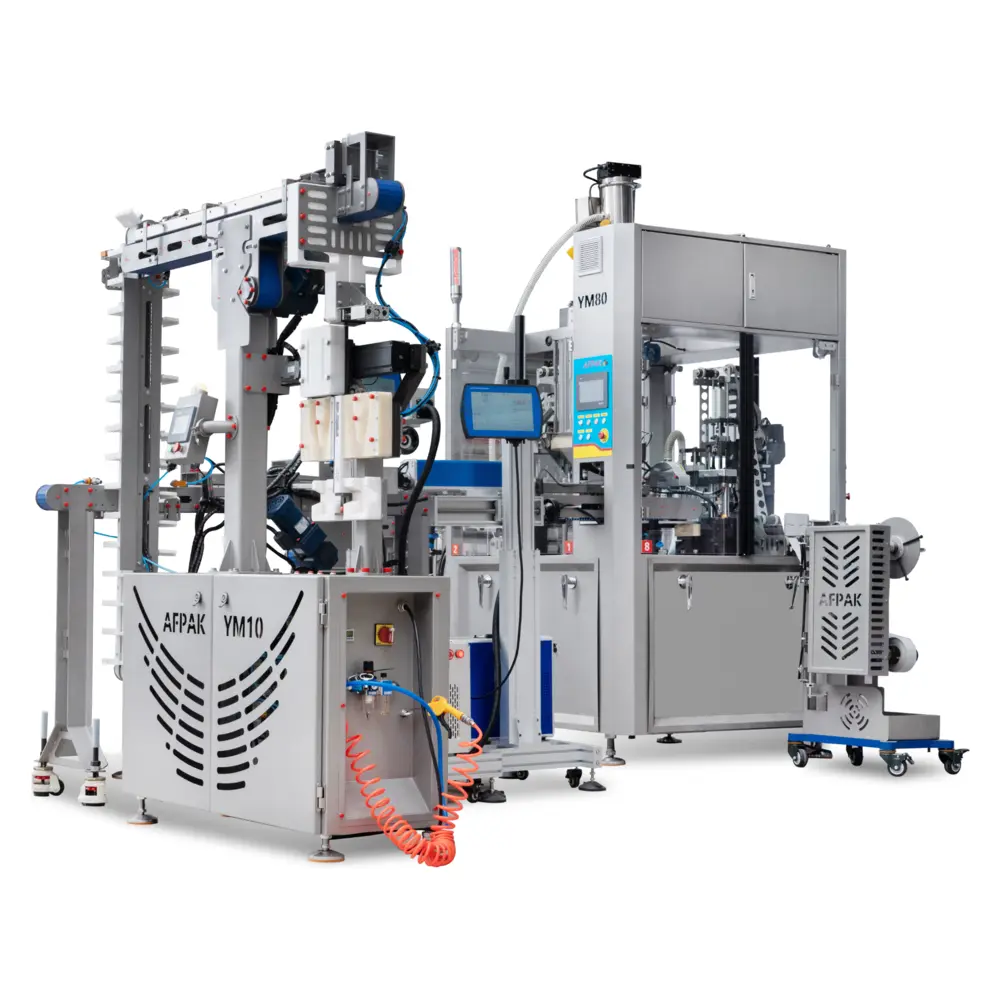
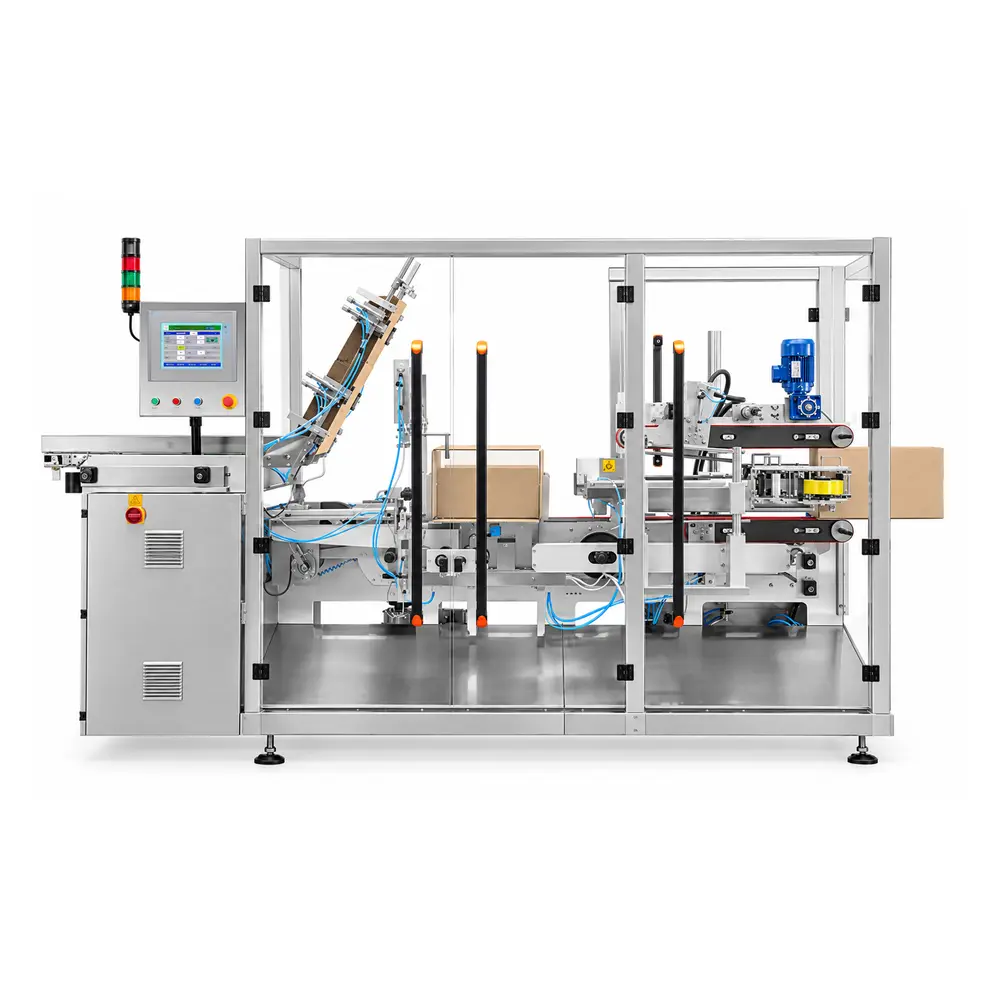
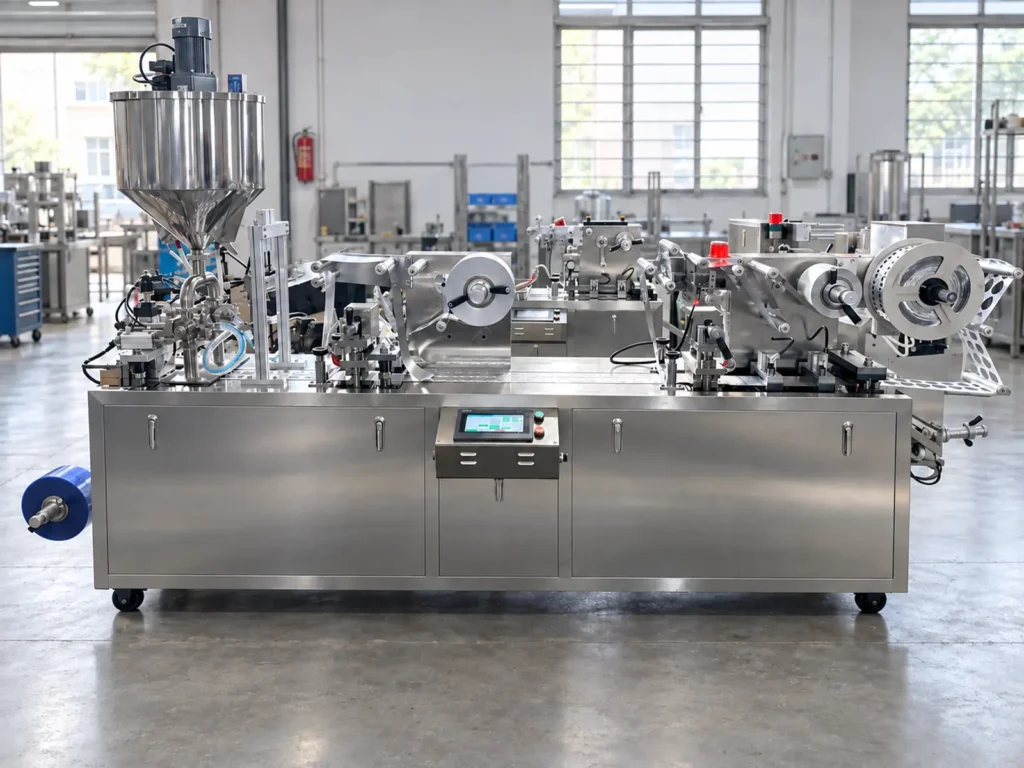
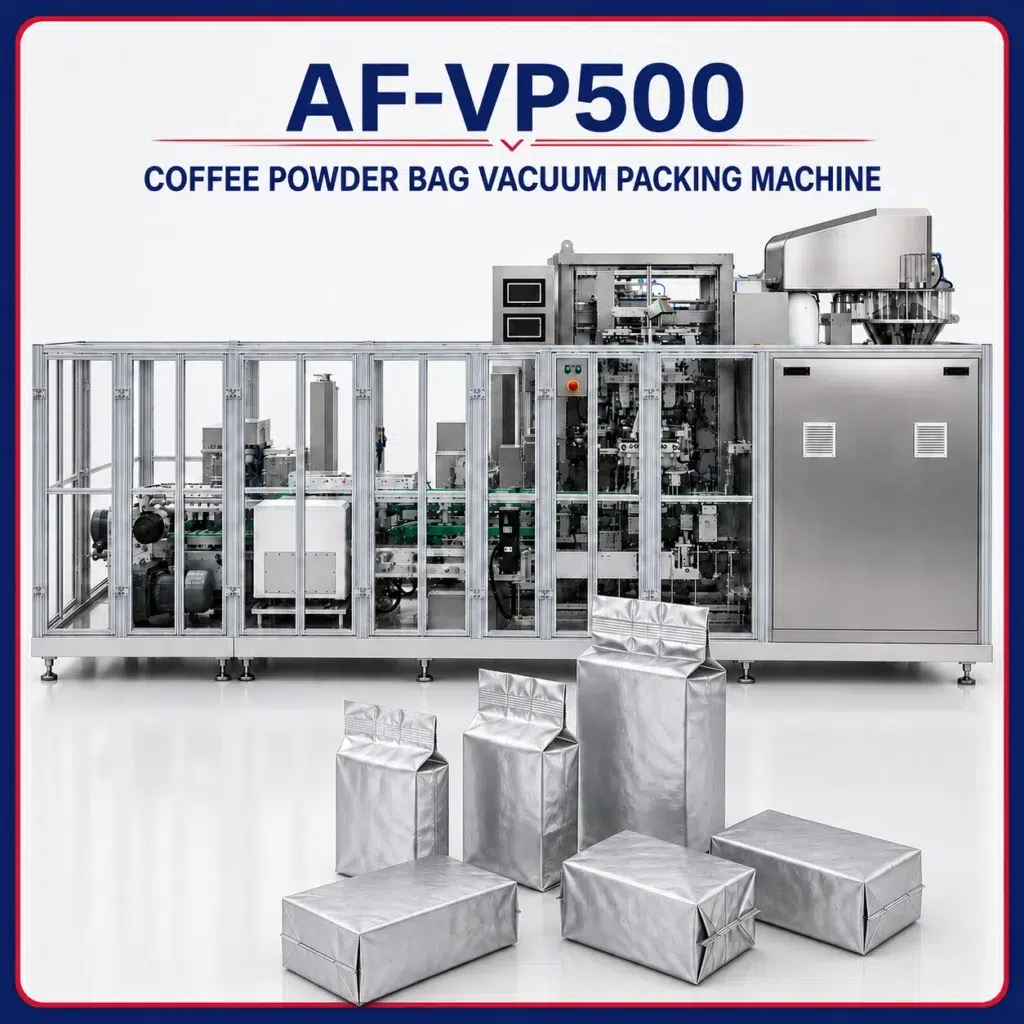
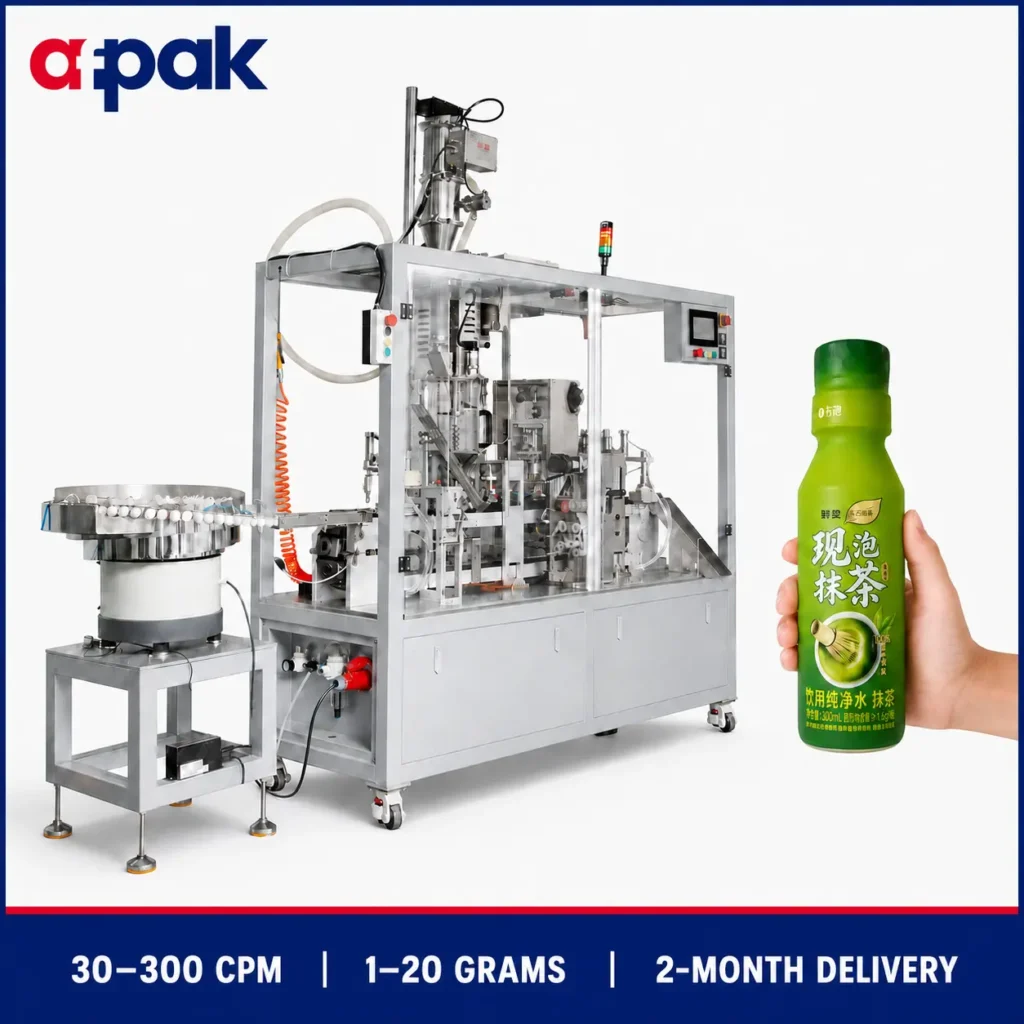
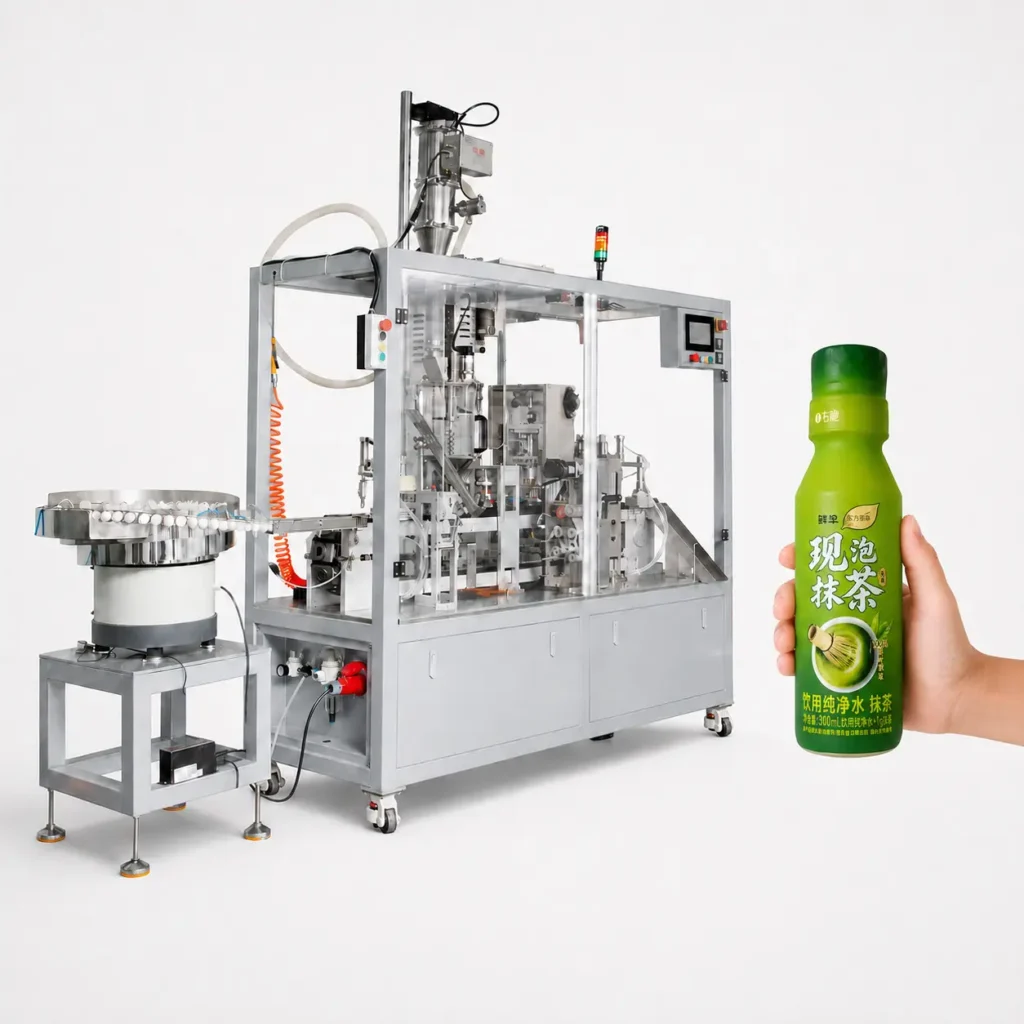
The AFPAK H Series is an automatic powder cap filling and sealing machine developed for dispensing caps, dosing caps, activation caps and other powder-in-cap packaging formats.
The machine can automatically feed empty caps, fill a measured dose of powder, place internal cap components, position pre-cut sealing lids, seal the caps and discharge the finished products.
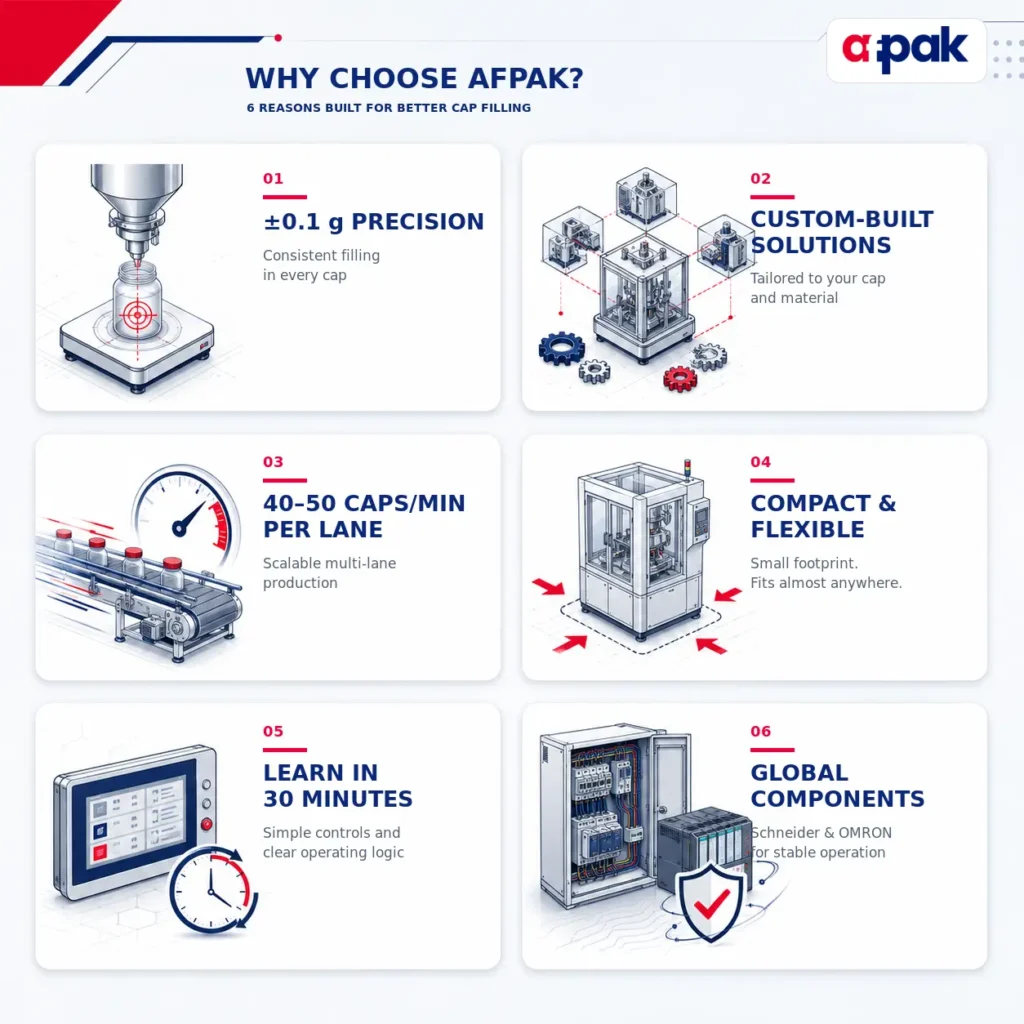
Available in 1 to 6 lanes, the system offers an adjustable filling range of 1–20 g, filling accuracy up to ±0.1–0.2 g and a total production capacity from approximately 30 to 300 caps per minute.
Powder Cap Filling Machine at a Glance
| Item | Specification |
|---|---|
| Filling range | 1–20 g, adjustable |
| Filling accuracy | Up to ±0.1–0.2 g |
| Speed per lane | Approximately 30–50 caps/min |
| Total production capacity | Approximately 30–300 caps/min |
| Available configurations | 1–6 lanes |
| Standard filling system | Servo-controlled auger filling |
| Powder feeding | Automatic vacuum powder feeder |
| Suitable materials | Powder; customized liquid and granule solutions available |
| Compatible cap formats | Customized dispensing, dosing, activation and dual-chamber caps |
| Product-contact materials | SUS304 stainless steel or food-grade plastic |
| Control system | PLC and touchscreen |
| Customization | Based on cap structure, material and production process |
Final speed and filling accuracy depend on the cap structure, target dose, powder characteristics, sealing method and inspection requirements.
What Is a Powder-in-Cap Filling and Sealing Machine?
A powder-in-cap filling machine fills a measured dose of dry ingredients into a specially designed bottle cap instead of filling the powder directly into the bottle.
The powder remains in a separate cap chamber until the consumer twists, presses or activates the cap. The powder is then released into the bottled water or beverage for on-demand mixing.
This packaging format is increasingly used for electrolyte powder, vitamins, probiotics, instant coffee, matcha, sports nutrition and other functional beverage ingredients.
Because dispensing caps may contain several plastic components, sealing lids and activation mechanisms, AFPAK develops each machine around the customer’s actual cap structure rather than treating every project as a standard powder filling application.
Why Choose the AFPAK H Series?
1–20 g Adjustable Filling
The servo-controlled powder dosing system can be adjusted for different cap chamber volumes and target filling weights.
Accuracy up to ±0.1–0.2 g
The auger filling system provides controlled powder dosing. Final accuracy is confirmed using the customer’s actual formulation and filling weight.
30–300 Caps per Minute
Choose from single-lane equipment for initial production to 2–6 lane systems for medium- and high-capacity manufacturing.
Customized Cap Assembly
Cap feeding, internal component placement, tamping, sealing and inspection stations are designed according to the actual cap construction.
Powder, Liquid or Granule Solutions
Different dosing technologies can be selected according to the material’s particle size, density, viscosity and flow behavior.
Automatic Process Monitoring
Sensors monitor cap feeding, powder filling, insert placement, lid feeding, sealing and machine safety.
Electrolyte Powder Cap Filling Machine
Electrolyte drink powders are becoming a major application for powder-filled dispensing caps. Instead of selling the powder in a separate sachet or premixing it into the beverage, a measured serving can be stored directly inside the bottle cap.
The consumer activates the cap, releases the electrolyte powder into the water and shakes the bottle before drinking. This creates a convenient on-demand mixing format for hydration products.
Suitable Electrolyte Powder Applications
- Electrolyte hydration powder
- Sports hydration blends
- Sodium, potassium and magnesium formulations
- Vitamin and electrolyte combinations
- Sugar-free electrolyte drink powder
- Flavored hydration powder
- Energy and electrolyte combinations
- Recovery drink powder
- Functional mineral blends
- Daily hydration supplements
Why Electrolyte Powder Requires a Customized Filling System
Electrolyte formulations can differ considerably in density, particle size and flowability. Some formulations contain very fine mineral powders, while others include sugar, flavoring, vitamins or larger granules.
Some electrolyte blends may also absorb moisture, generate dust or bridge inside the hopper. These characteristics affect filling accuracy, powder feeding and the cleanliness of the sealing surface.
AFPAK evaluates the customer’s electrolyte formulation before determining the final auger, hopper, agitator and feeding design.
Possible Electrolyte Powder Filling Features
- Servo-controlled auger dosing
- Customized auger based on powder density
- Automatic vacuum powder feeding
- Low-powder-level monitoring
- Hopper agitator for improved powder flow
- Anti-bridging hopper design
- Dust-control and powder-collection system
- Sealing-surface cleaning
- Enclosed powder-contact components
- Optional nitrogen flushing before sealing
- Optional weight inspection and rejection
The finished cap, sealing lid and barrier structure must also be selected according to the formulation’s moisture and oxygen sensitivity. Shelf-life performance should be verified through finished-product testing.
Materials That Can Be Filled into Dispensing Caps
The H Series can be configured for a wide range of instant-mixing beverage and nutritional products.
- Electrolyte powder
- Vitamin powder
- Probiotic powder
- Freeze-dried coffee powder
- Instant coffee
- Matcha powder
- Energy drink powder
- Sports nutrition powder
- Fruit-flavored drink powder
- Juice powder
- Mineral blends
- Herbal extracts
- Functional beverage ingredients
- Soluble nutritional powder
- Small granules and crystals
- Liquid concentrates and syrup, with a customized filling system
Customized Around Your Dispensing Cap Structure
A dispensing cap is not a standard packaging container. Different caps may use different internal chambers, plastic inserts, sealing lids, threads and activation mechanisms.
AFPAK can customize the machine for:
- Powder-in-cap closures
- Dosing caps
- Dispensing caps
- Activation caps
- Dual-chamber caps
- Twist-to-release caps
- Push-to-release caps
- Piercing-style dispensing caps
- Caps with separate internal plastic inserts
- Caps sealed with pre-cut lids
- 28 mm and 30 mm dispensing cap projects
- Customized cap diameters and shapes
Compatibility with a particular 28 mm, 30 mm or custom dispensing cap must be confirmed using physical cap samples, individual components and technical drawings.
Complete Automatic Cap Filling and Sealing Process
1. Automatic Cap Sorting
Empty caps are loaded into a vibrating bowl, sorted and delivered in the correct orientation.
2. Pick-and-Place Cap Loading
The cap is picked up and accurately placed into the machine holder.
3. Servo Auger Powder Filling
The automatic vacuum feeder transfers powder to the hopper. A servo-controlled auger measures and fills the programmed dose into each cap.
4. Internal Component Placement
The internal plastic insert is automatically sorted, picked and placed inside the filled cap.
5. Insert Tamping
The insert is pressed into its required position. The pressing tooling and depth are designed according to the cap structure.
6. Pre-Cut Lid Placement
The sealing lid is automatically picked and positioned over the cap chamber.
7. Automatic Sealing
The cap is sealed using controlled temperature, pressure and sealing time. The sealing station is customized according to the cap and lid materials.
8. Inspection and Rejection
Sensors can detect missing caps, inserts or sealing lids. Incomplete products can be rejected automatically.
9. Finished Cap Output
Completed powder-filled caps are discharged for collection, counting, inspection or connection to downstream packaging equipment.
The exact production sequence may be changed when the customer’s cap uses a different component arrangement or activation structure.
Production Capacity from 30 to 300 Caps per Minute
AFPAK offers different lane configurations for product development, commercial launch and industrial-scale production.
| Configuration | Estimated Output | Recommended Application |
|---|---|---|
| Single lane | 30–50 caps/min | New projects and initial commercial production |
| 2 lanes | Approximately 60–100 caps/min | Growing beverage brands and contract manufacturers |
| 4 lanes | Approximately 120–200 caps/min | Medium- and high-capacity production |
| 6 lanes | Up to approximately 300 caps/min | Industrial powder cap production |
The final guaranteed capacity depends on the cap structure, number of components, target filling weight, powder flowability, sealing time and inspection requirements.
Adjustable 1–20 g Powder Filling System
The standard powder configuration uses a servo-controlled auger to fill approximately 1–20 g into each cap.
Operators can adjust the filling parameters through the touchscreen and save production settings for different products.
- 1–20 g adjustable filling range
- Filling accuracy up to ±0.1–0.2 g
- Servo-controlled auger dosing
- Automatic vacuum powder feeding
- Low-powder-level sensor
- No cap, no filling control
- Adjustable filling speed
- Customized auger and hopper
- Removable product-contact components
- SUS304 product-contact surfaces
Actual filling accuracy depends on the filling weight, powder density, particle size, moisture content, flowability and production environment.
Different Filling Systems for Powder, Granules and Liquid
| Material | Possible Filling Solution | Important Considerations |
|---|---|---|
| Free-flowing powder | Servo auger filling | Density, target weight and cap opening |
| Fine or dusty powder | Auger filling with dust control | Powder collection and sealing-surface cleanliness |
| Electrolyte powder | Customized auger and hopper | Flowability, moisture absorption and powder bridging |
| Sticky powder | Agitated hopper and anti-bridging design | Powder adhesion and filling consistency |
| Powder containing small granules | Customized auger or volumetric system | Particle damage and separation |
| Regular granules or crystals | Volumetric cup or customized dosing system | Granule size and cap chamber volume |
| Liquid concentrate | Pump filling system | Viscosity, dripping and sealing-surface cleanliness |
| Honey or viscous syrup | Customized piston or pump filling | Temperature, viscosity and filling speed |
The final dosing system is selected after AFPAK evaluates the actual filling material and cap samples.
Cap Sealing Developed Around Your Packaging Material
Accurate filling is only one part of a successful powder cap project. The sealing surface must remain clean, the lid must be positioned correctly and the sealing parameters must match the packaging materials.
AFPAK develops the sealing station according to:
- Cap material
- Sealing lid material
- Sealing-layer structure
- Cap opening and sealing diameter
- Required sealing temperature
- Required sealing pressure
- Powder characteristics
- Dispensing-cap activation method
- Moisture and oxygen barrier requirements
Finished products should be tested for sealing appearance, leakage, transport stability, powder release and consumer activation performance.
Optional Nitrogen Flushing
Nitrogen flushing can be added before sealing for products that require reduced oxygen exposure inside the cap chamber.
Depending on the machine speed, cap chamber and flushing method, the H1 configuration can use approximately 0–50 L/min of nitrogen.
Nitrogen flushing works together with the cap, sealing lid and barrier materials. The required residual oxygen level and finished-product shelf life should be verified by the customer through packaging tests.
Smart Monitoring and Safety Controls
- No cap, no filling
- No sealing lid, no sealing
- No internal insert, no tamping
- Missing insert detection and rejection
- Low powder level alarm
- Safety door open, machine stop
- Emergency stop protection
- PLC-controlled production sequence
- Touchscreen parameter adjustment
- Production fault alarm
These controls reduce material waste and prevent incomplete caps from entering the finished-product collection area.
H1 Single-Lane Machine Specifications
The specifications below apply to the current single-lane H1 configuration. Multi-lane power, dimensions and utility consumption are engineered separately.
| Item | H1 Specification |
|---|---|
| Machine speed | 30–50 caps/min, depending on cap structure |
| Filling range | 1–20 g |
| Filling accuracy | Up to ±0.1–0.2 g |
| Power supply | Single-phase, 220 V, 50/60 Hz |
| Installed power | Approximately 2.0 kW |
| Air pressure | 0.6–0.8 MPa |
| Air consumption | Approximately 950 L/min |
| Nitrogen consumption | 0–50 L/min, depending on configuration |
| Recommended working temperature | 5–35°C |
| Recommended humidity | ≤85% |
| Machine dimensions | Approximately 2000 × 1500 × 2300 mm |
| Machine weight | Approximately 900 kg |
| Machine structure | Single-lane linear type |
| Control system | PLC and touchscreen |
| Product-contact material | SUS304 stainless steel or food-grade plastic |
Electrical and Pneumatic Components
| Component | Reference Brand |
|---|---|
| PLC | Schneider |
| Touchscreen | Schneider |
| Frequency converter | Schneider |
| Servo motor | Schneider |
| Proximity switch | OMRON |
| Photoelectric sensor | OMRON |
| Relay | OMRON |
| Temperature controller | OMRON |
| Pressure gauge | SMC |
| Solenoid valve | AIRTAC |
| Pneumatic cylinder | AIRTAC |
| Heating tube | Customized |
Component brands may be replaced with technically equivalent models according to availability and project requirements.
From Cap Samples to a Production-Ready Machine
Step 1: Submit Your Project Information
Send AFPAK the cap samples, individual components, drawings, filling material, target weight and required capacity.
Step 2: Cap and Material Evaluation
We evaluate the cap feeding direction, component structure, filling method, assembly sequence, sealing method and inspection requirements.
Step 3: Customized Machine Design
The machine layout, filling system, cap holders, vibrating bowls, pick-and-place tooling and sealing stations are designed for the approved samples.
Step 4: Production Testing
The machine is tested using the customer’s actual caps, internal components, filling material and sealing lids.
Step 5: Customer Verification
The customer can verify filling accuracy, production speed, cap assembly, sealing quality, rejection functions and continuous-running stability.
Step 6: Delivery and Technical Support
AFPAK provides operating instructions, remote support, spare parts and optional overseas service.
Delivery, Warranty and Technical Support
Delivery Time
The reference delivery time for the H1 machine is approximately 60 days after receiving the deposit and all required samples.
Multi-lane machines and projects with additional inspection or assembly functions may require a separately confirmed production schedule.
Warranty
The standard H1 quotation provides a two-year warranty, excluding normal wear parts.
After-Sales Support
- Lifelong technical support
- Continuous spare-parts supply
- Remote troubleshooting
- Operation and maintenance guidance
- Machine testing with customer materials
- Optional overseas installation and service
Visa, travel, accommodation and on-site labor costs are quoted separately when overseas service is required.
What We Need to Recommend the Right Machine
To prepare an accurate technical proposal, please provide:
- Complete empty cap samples
- Each individual cap component
- Cap assembly drawing
- Cap and bottle-neck dimensions
- Filling material
- Material density or technical data sheet, if available
- Target filling weight per cap
- Required filling accuracy
- Required production speed
- Sealing lid samples and specifications
- Finished product samples
- Consumer activation process
- Required inspection and rejection functions
Frequently Asked Questions
What is a powder cap filling machine?
A powder cap filling machine automatically fills a measured dose of powder into a dispensing or activation cap. Depending on the cap design, it can also feed internal components, place sealing lids, seal the caps, inspect missing parts and discharge the finished products.
Can electrolyte powder be filled into a bottle cap?
Yes. Electrolyte powder can be filled into a specially designed dispensing cap and kept separate from the bottled water until consumption. The machine and filling system must be configured according to the powder characteristics, cap chamber and sealing structure.
What types of electrolyte powder can the machine handle?
The machine can be developed for sports hydration powder, vitamin-electrolyte blends, flavored electrolyte powder, sugar-free formulations and other mineral-based drink powders. Final compatibility is confirmed through material testing.
Will electrolyte powder absorb moisture during production?
Some electrolyte formulations can absorb moisture. The production environment, hopper design, material feeding and cap barrier structure should therefore be evaluated according to the formulation. Finished-product shelf life must be confirmed through packaging tests.
What is the filling range?
The adjustable filling range is approximately 1–20 g. The actual range depends on the cap chamber, powder density and selected filling system.
What filling accuracy can the machine achieve?
The machine can achieve approximately ±0.1–0.2 g under suitable production conditions. Final accuracy depends on the formulation, filling weight, powder flowability and machine speed.
How fast can the machine run?
Each lane can complete approximately 30–50 cycles per minute. AFPAK offers 1–6 lane configurations with total output from approximately 30 to 300 caps per minute.
Can the machine fill powders with different particle sizes?
Yes, but powders with significantly different density, particle size or flowability may require different augers, hoppers or dosing components.
Can the machine fill liquids or granules?
Yes. Liquid and granule filling solutions are available using different dosing systems. AFPAK selects the appropriate system after evaluating the product and required dose.
Can the machine assemble the internal cap components?
Yes. The H1 configuration can automatically sort, pick, place and tamp the internal plastic insert. The assembly stations can be changed according to the cap structure.
Does the machine seal the dispensing cap?
Yes. The standard H1 process includes automatic pre-cut lid placement and sealing. Other sealing methods can be developed according to the cap and lid materials.
Can the machine handle 28 mm dispensing caps?
The machine can be customized for 28 mm, 30 mm and other cap formats. Compatibility must be confirmed using physical cap samples, component drawings and bottle-neck specifications.
Can one machine produce different cap sizes?
It may be possible by changing cap holders, feeding components and assembly tooling. Feasibility and changeover time depend on the differences between the cap structures.
Is nitrogen flushing available?
Yes. Nitrogen flushing can be added before sealing. The required flow rate depends on the cap volume, machine speed, flushing method and target residual oxygen level.
Can AFPAK provide a complete turnkey solution?
AFPAK can provide cap feeding, filling, component assembly, sealing, inspection and output equipment. Bottle filling, capping, finished-cap collection and secondary packaging equipment can also be evaluated according to the project.
What samples are required before production?
AFPAK normally requires complete caps, individual cap components, sealing lids, filling material, finished-product samples and technical drawings. Sufficient quantities should be supplied for feeding, filling, sealing and continuous-running tests.
Start Your Powder-in-Cap Beverage Project
Every electrolyte, vitamin or functional beverage cap requires a different filling and assembly solution.
Send AFPAK your cap samples, component drawings, filling material, target dose and required production capacity. Our engineering team will evaluate the complete process and recommend a suitable machine configuration.